School of Pharmaceutical Sciences & School of Chinese Medicine, Southwest University, Chongqing 400715, China.
Int J Biol Sci. 2010 Aug 20;6(5):443-53. doi: 10.7150/ijbs.6.443.
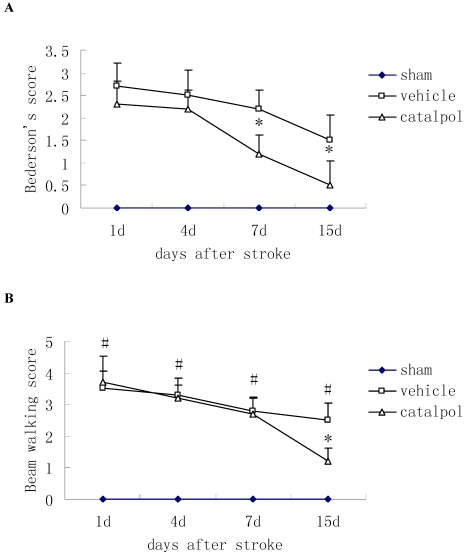
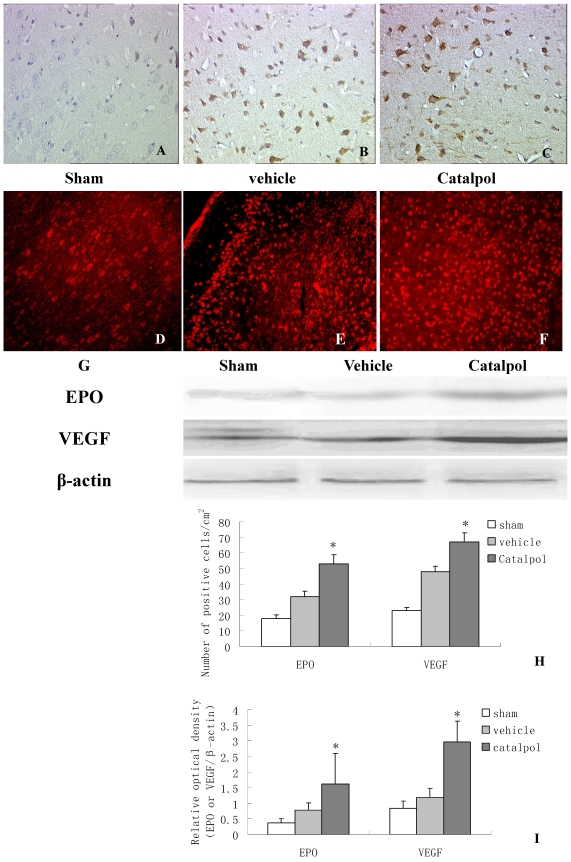
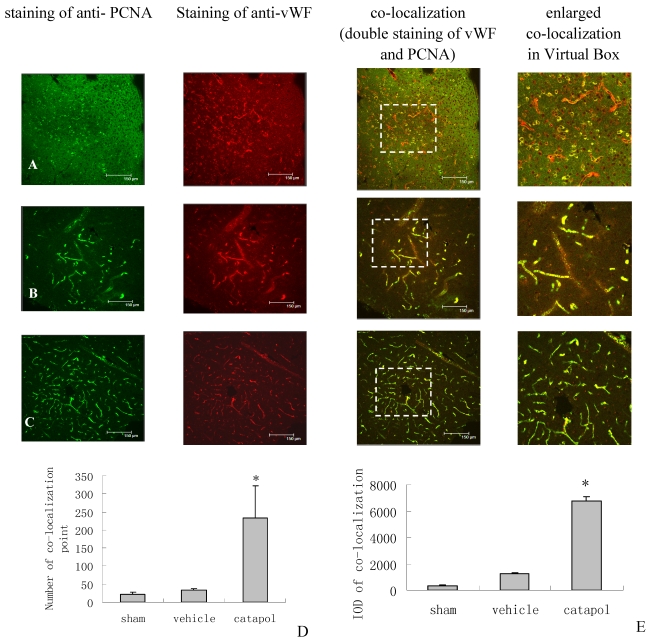
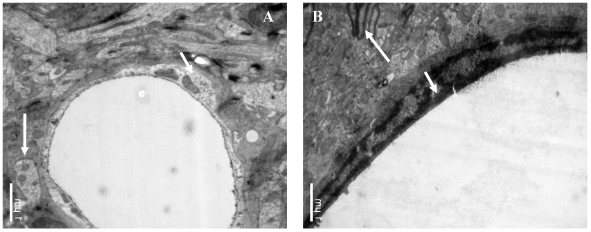
To investigate the role and mechanism of catalpol in brain angiogenesis in a rat model of stroke, the effect of catalpol (5 mg/kg; i.p) or vehicle administered 24 hours after permanent middle cerebral artery occlusion (pMCAO) on behavior, angiogenesis, ultra-structural integrity of brain capillary endothelial cells, and expression of EPO and VEGF were assessed. Repeated treatments with Catalpol reduced neurological deficits and significantly improved angiogenesis, while significantly increasing brain levels of EPO and VEGF without worsening BBB edema. These results suggested that catalpol might contribute to infarcted-brain angiogenesis and ameliorate the edema of brain capillary endothelial cells (BCECs) by upregulating VEGF and EPO coordinately.
为了研究梓醇在中风大鼠模型中脑血管生成中的作用和机制,研究人员在永久性大脑中动脉闭塞(pMCAO)后 24 小时给予梓醇(5mg/kg;腹腔注射)或载体,评估梓醇对行为、血管生成、脑毛细血管内皮细胞超微结构完整性以及 EPO 和 VEGF 表达的影响。重复给予梓醇可减少神经功能缺损,显著促进血管生成,同时显著增加脑内 EPO 和 VEGF 水平,而不会加重 BBB 水肿。这些结果表明,梓醇可能通过协同上调 VEGF 和 EPO 促进梗死灶内脑血管生成,改善脑毛细血管内皮细胞(BCECs)的水肿。