Molecular Biology Institute, University of California, Los Angeles, Los Angeles, CA 90095, USA.
Mol Cell. 2010 Sep 24;39(6):873-85. doi: 10.1016/j.molcel.2010.08.019.
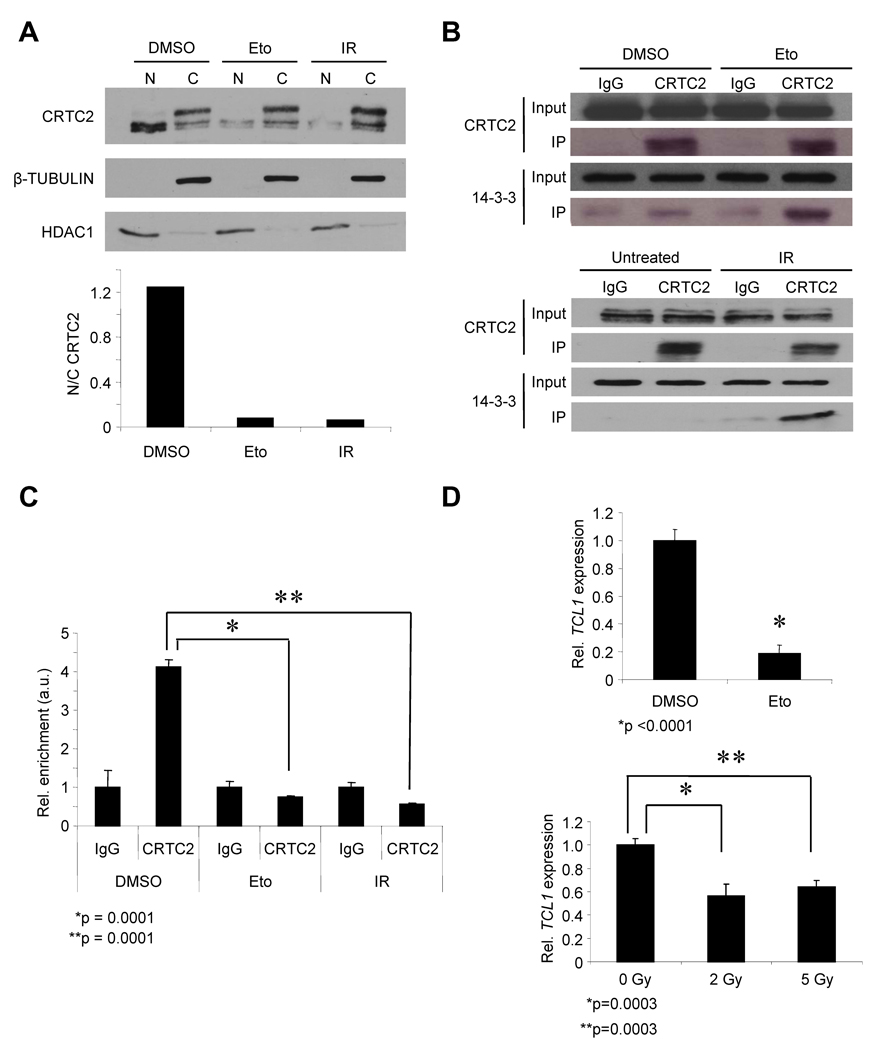
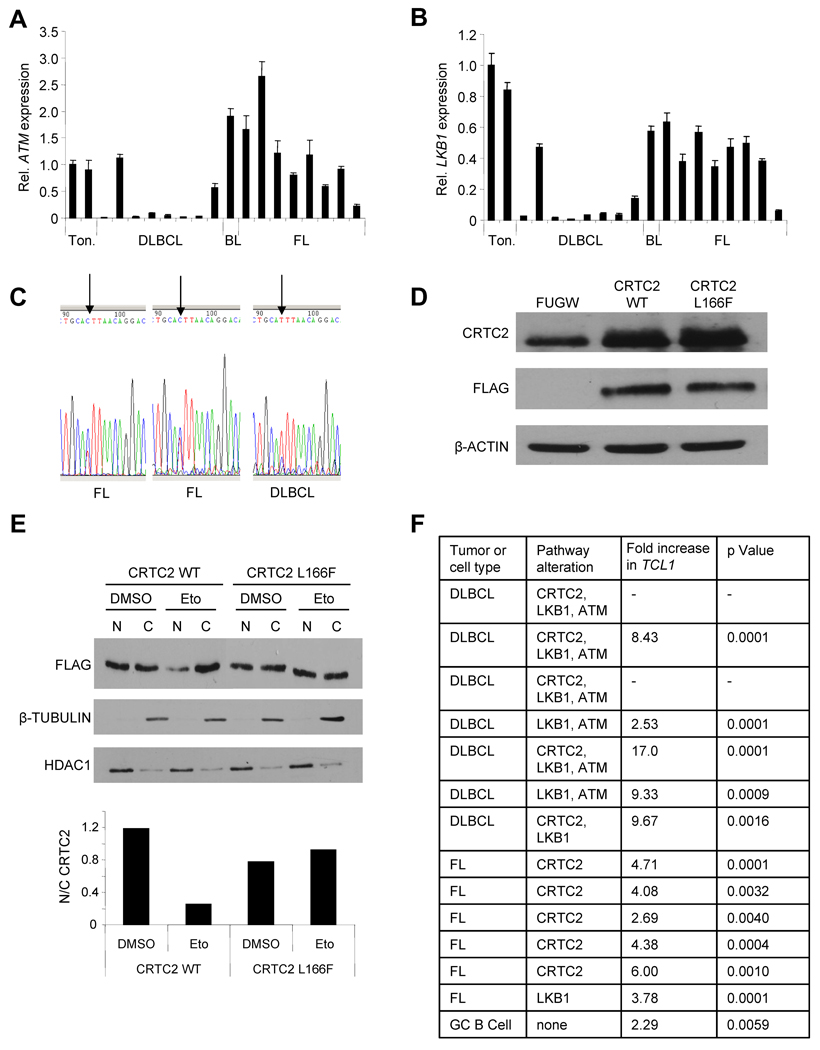
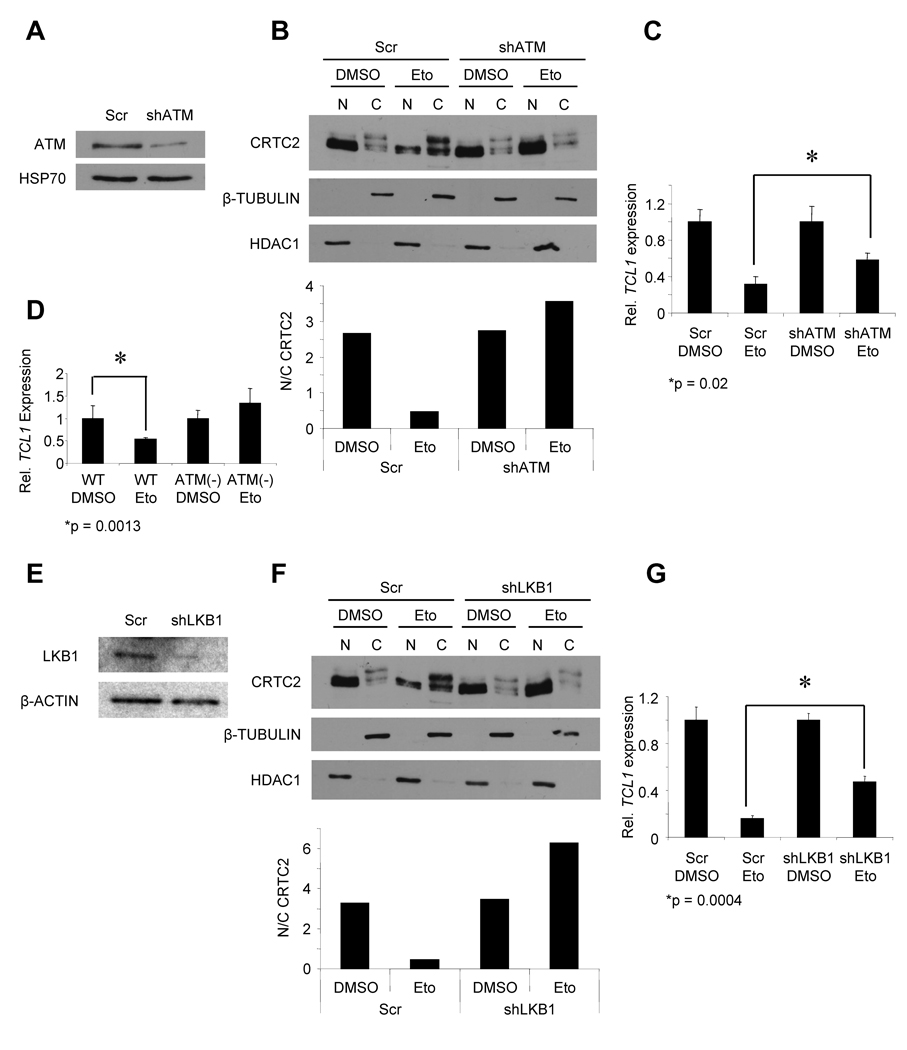
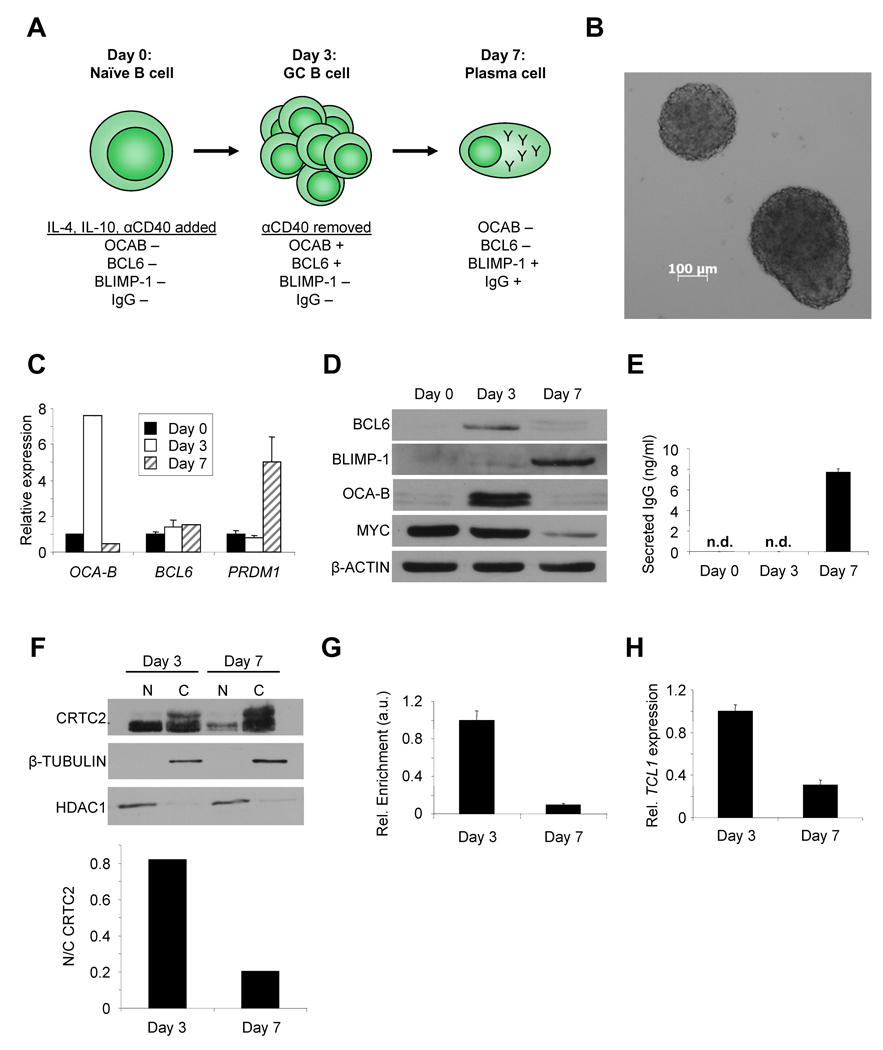
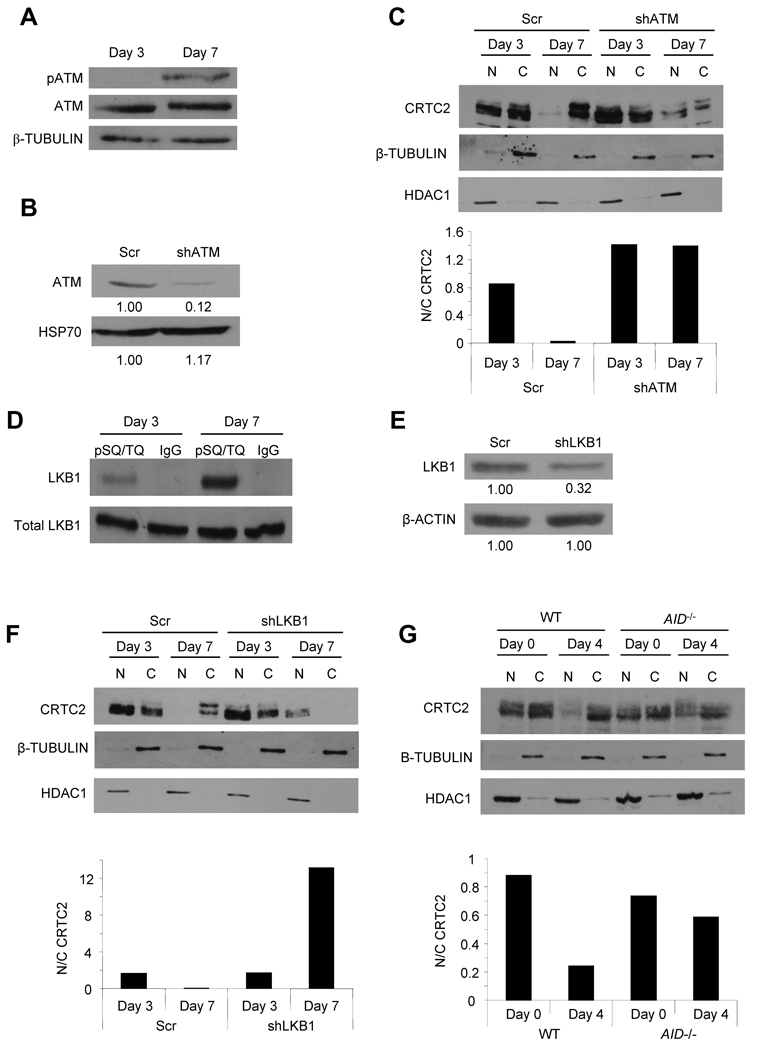
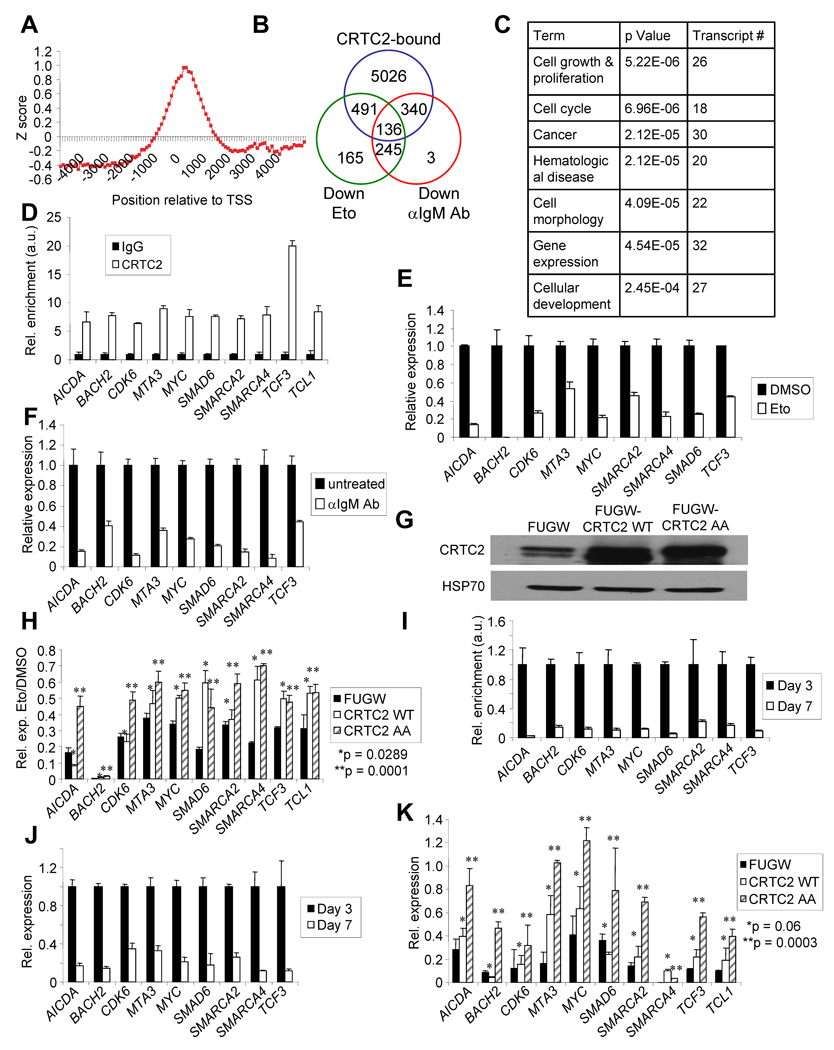
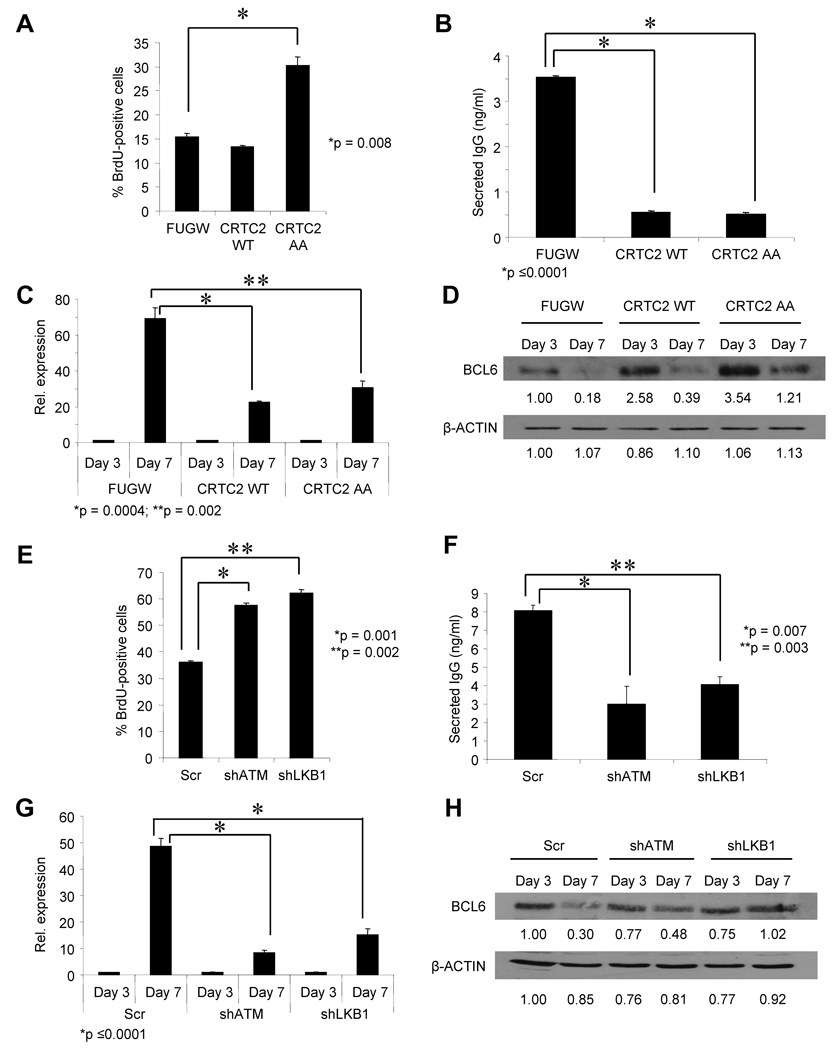
During an immune response, B cells undergo rapid proliferation and activation-induced cytidine deaminase (AID)-dependent remodeling of immunoglobulin (IG) genes within germinal centers (GCs) to generate memory B and plasma cells. Unfortunately, the genotoxic stress associated with the GC reaction also promotes most B cell malignancies. Here, we report that exogenous and intrinsic AID-induced DNA strand breaks activate ATM, which signals through an LKB1 intermediate to inactivate CRTC2, a transcriptional coactivator of CREB. Using genome-wide location analysis, we determined that CRTC2 inactivation unexpectedly represses a genetic program that controls GC B cell proliferation, self-renewal, and differentiation while opposing lymphomagenesis. Inhibition of this pathway results in increased GC B cell proliferation, reduced antibody secretion, and impaired terminal differentiation. Multiple distinct pathway disruptions were also identified in human GC B cell lymphoma patient samples. Combined, our data show that CRTC2 inactivation, via physiologic DNA damage response signaling, promotes B cell differentiation in response to genotoxic stress.
在免疫反应过程中,B 细胞经历快速增殖和激活诱导的胞嘧啶脱氨酶(AID)依赖性免疫球蛋白(IG)基因重排,在生发中心(GC)中产生记忆 B 和浆细胞。不幸的是,与 GC 反应相关的遗传毒性应激也促进了大多数 B 细胞恶性肿瘤的发生。在这里,我们报告了外源和内在 AID 诱导的 DNA 链断裂激活 ATM,它通过 LKB1 中间物信号传递,使 CREB 的转录共激活因子 CRTC2 失活。通过全基因组定位分析,我们确定 CRTC2 的失活出乎意料地抑制了一个控制 GC B 细胞增殖、自我更新和分化的遗传程序,同时抑制了淋巴瘤的发生。该途径的抑制导致 GC B 细胞增殖增加、抗体分泌减少和终末分化受损。在人类 GC B 细胞淋巴瘤患者样本中还鉴定出多种不同的通路中断。综上所述,我们的数据表明,通过生理 DNA 损伤反应信号,CRTC2 的失活促进了 B 细胞对遗传毒性应激的分化。