Department of Oncology, Cytoskeleton and Cancer Progression, Luxembourg Institute of Health, Luxembourg City, Luxembourg.
Department of Microbiology, Tumor and Cell Biology, Karolinska Institutet, Stockholm, Sweden.
Front Immunol. 2020 Nov 9;11:581119. doi: 10.3389/fimmu.2020.581119. eCollection 2020.
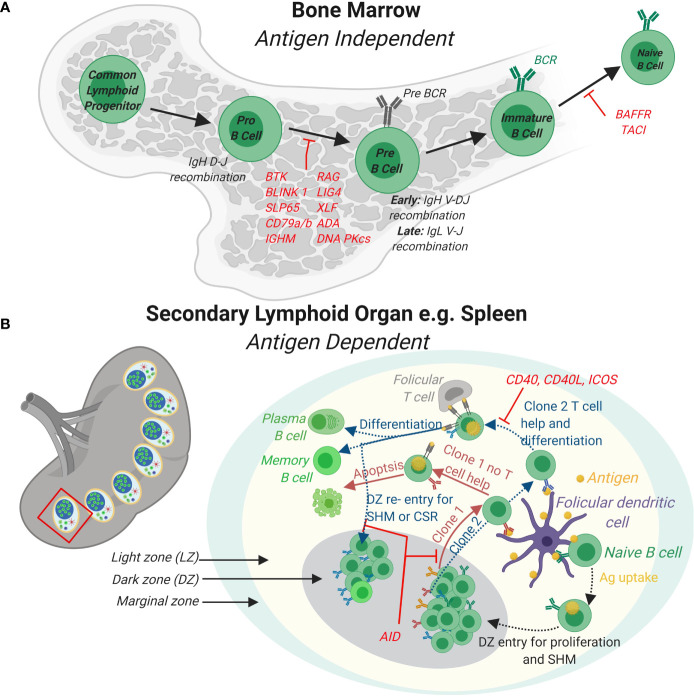
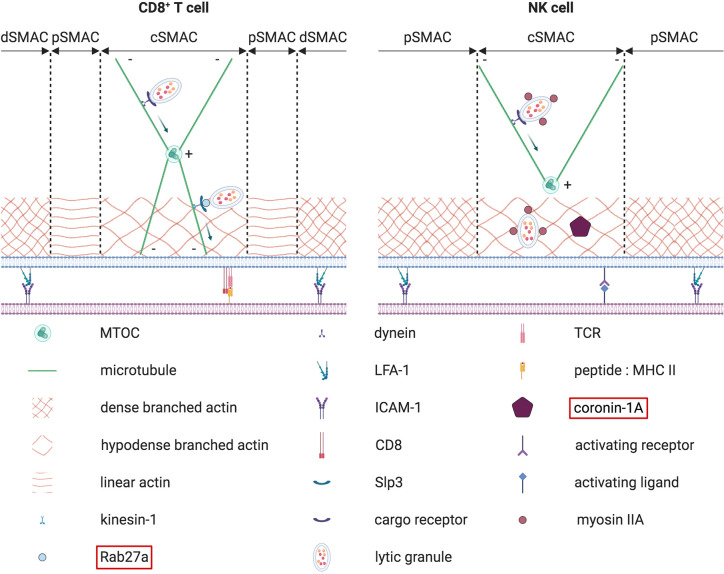
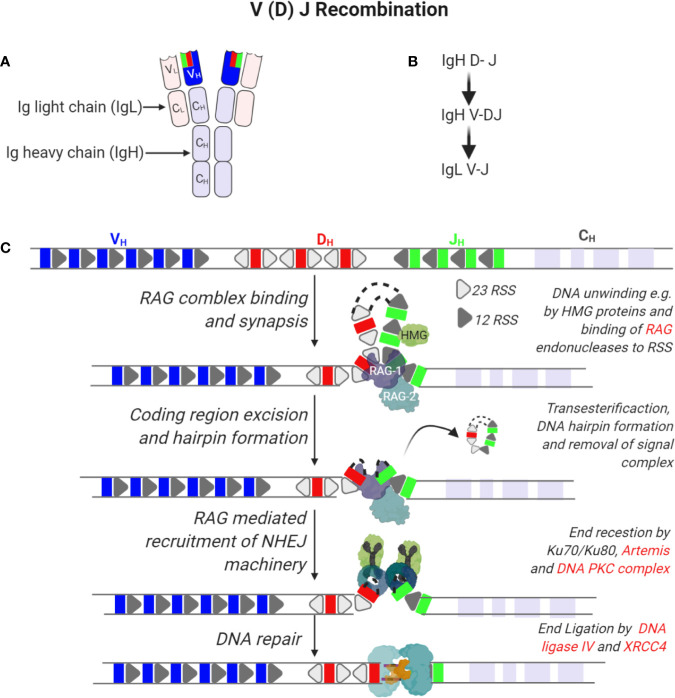
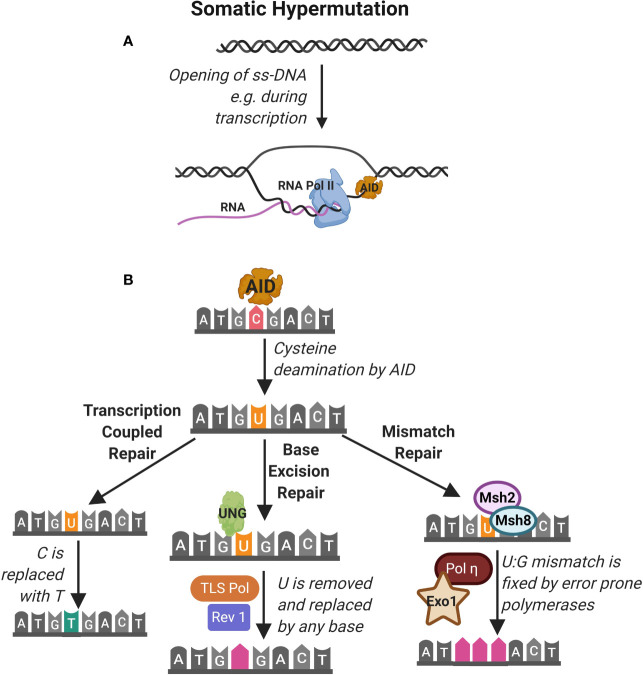
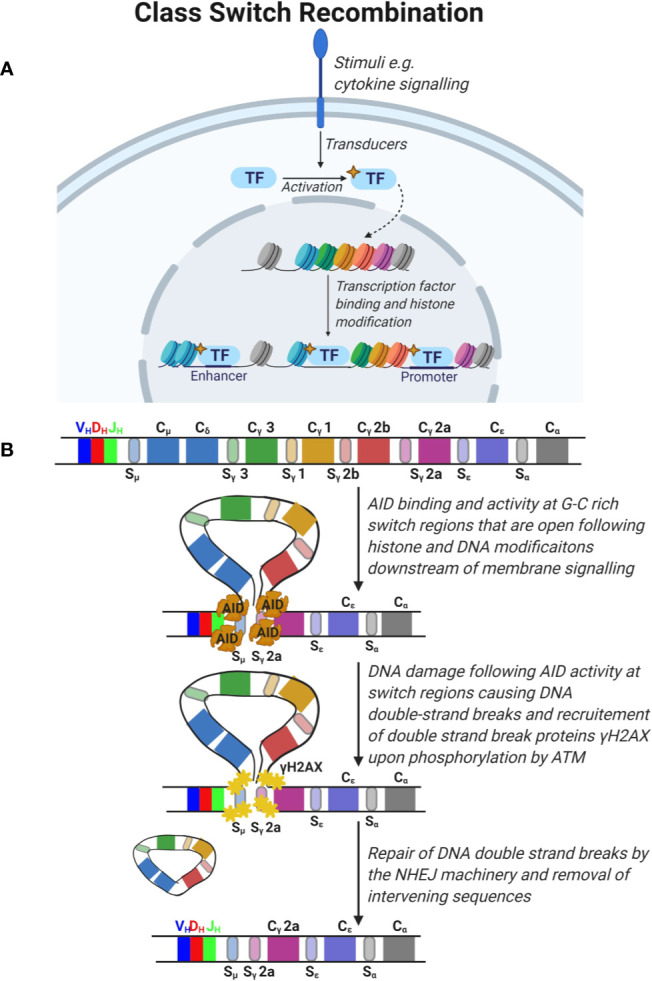
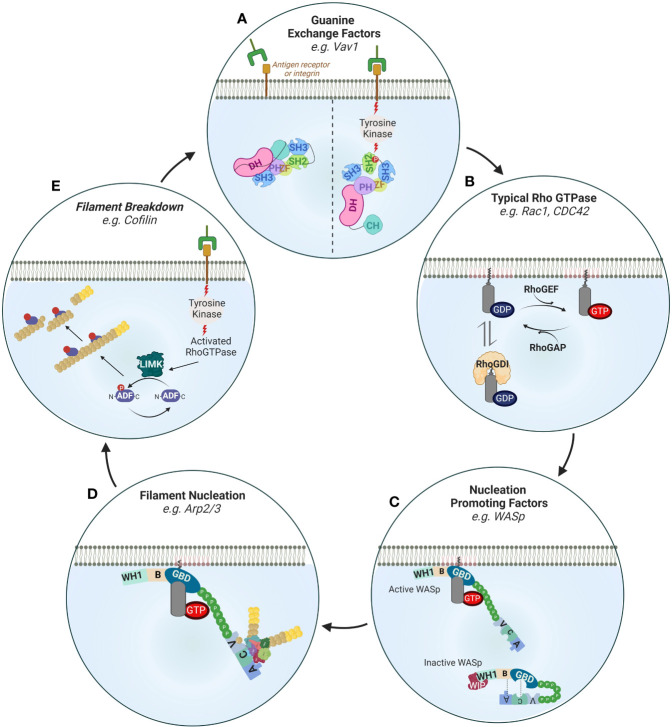
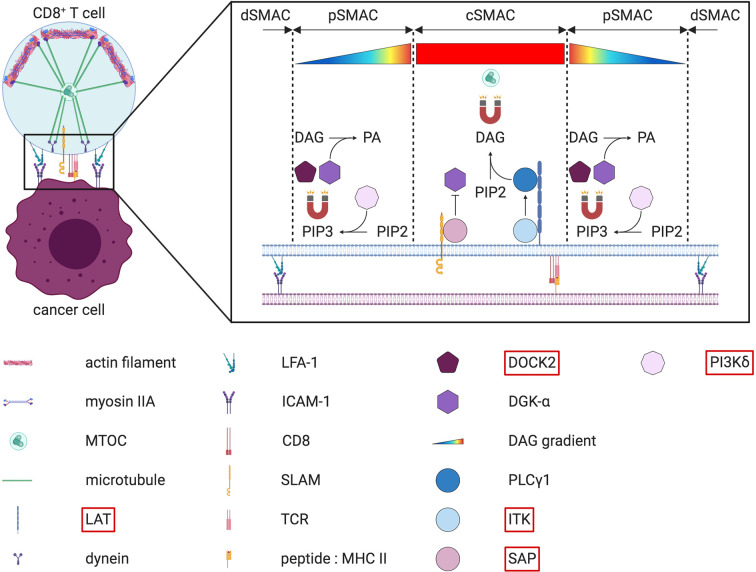
Congenital defects of the immune system called primary immunodeficiency disorders (PID) describe a group of diseases characterized by a decrease, an absence, or a malfunction of at least one part of the immune system. As a result, PID patients are more prone to develop life-threatening complications, including cancer. PID currently include over 400 different disorders, however, the variety of PID-related cancers is narrow. We discuss here reasons for this clinical phenotype. Namely, PID can lead to cell intrinsic failure to control cell transformation, failure to activate tumor surveillance by cytotoxic cells or both. As the most frequent tumors seen among PID patients stem from faulty lymphocyte development leading to leukemia and lymphoma, we focus on the extensive genomic alterations needed to create the vast diversity of B and T lymphocytes with potential to recognize any pathogen and why defects in these processes lead to malignancies in the immunodeficient environment of PID patients. In the second part of the review, we discuss PID affecting tumor surveillance and especially membrane trafficking defects caused by altered exocytosis and regulation of the actin cytoskeleton. As an impairment of these membrane trafficking pathways often results in dysfunctional effector immune cells, tumor cell immune evasion is elevated in PID. By considering new anti-cancer treatment concepts, such as transfer of genetically engineered immune cells, restoration of anti-tumor immunity in PID patients could be an approach to complement standard therapies.
先天性免疫系统缺陷,也被称为原发性免疫缺陷疾病(PID),描述了一组以免疫系统至少一个部分减少、缺失或功能障碍为特征的疾病。因此,PID 患者更容易发生危及生命的并发症,包括癌症。PID 目前包括 400 多种不同的疾病,但与 PID 相关的癌症种类较为单一。我们在这里讨论这种临床表型的原因。即,PID 可导致细胞内在的控制细胞转化失败、细胞毒性细胞激活肿瘤监测失败或两者兼而有之。由于 PID 患者中最常见的肿瘤源于淋巴细胞发育异常导致的白血病和淋巴瘤,我们专注于创造具有识别任何病原体潜力的大量多样性 B 和 T 淋巴细胞所需的广泛基因组改变,以及为什么这些过程中的缺陷会导致 PID 患者免疫缺陷环境中的恶性肿瘤。在综述的第二部分,我们讨论了影响肿瘤监测的 PID,特别是由外吐作用改变和肌动蛋白细胞骨架调节引起的膜转运缺陷。由于这些膜转运途径的功能障碍常导致效应免疫细胞功能障碍,PID 患者的肿瘤细胞免疫逃逸能力增强。通过考虑新的抗癌治疗概念,例如遗传工程免疫细胞的转移,可以恢复 PID 患者的抗肿瘤免疫,作为标准治疗的补充方法。