Division of Clinical Immunology and Rheumatology, University of Texas Health Science Center at San Antonio, 7703 Floyd Curl Drive, Texas 78229-3900, USA.
Exp Gerontol. 2011 Jan;46(1):43-52. doi: 10.1016/j.exger.2010.09.014. Epub 2010 Oct 12.
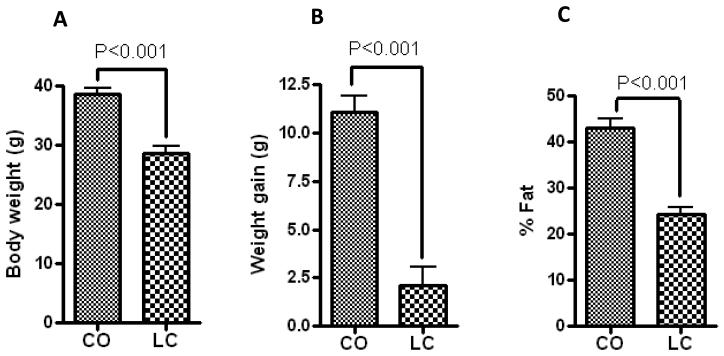
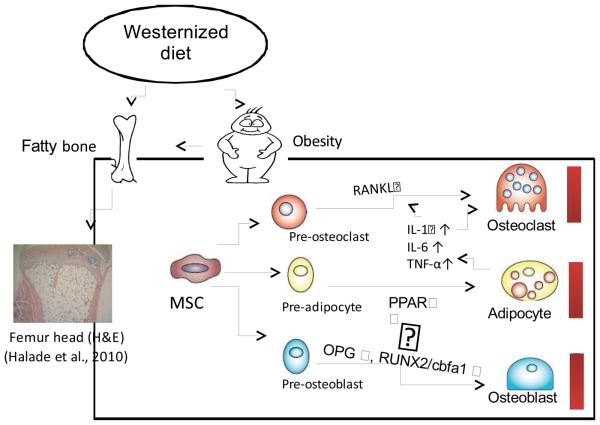
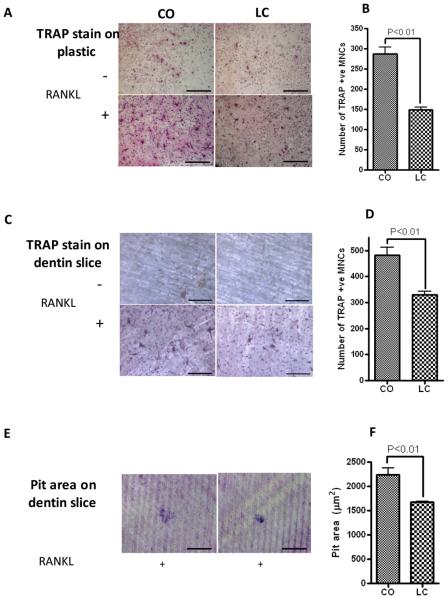
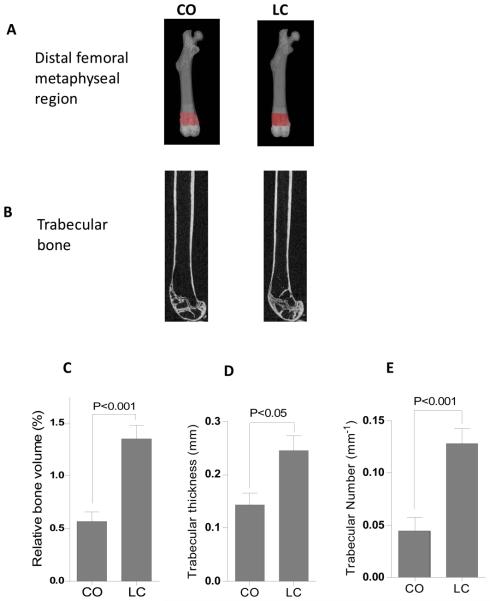
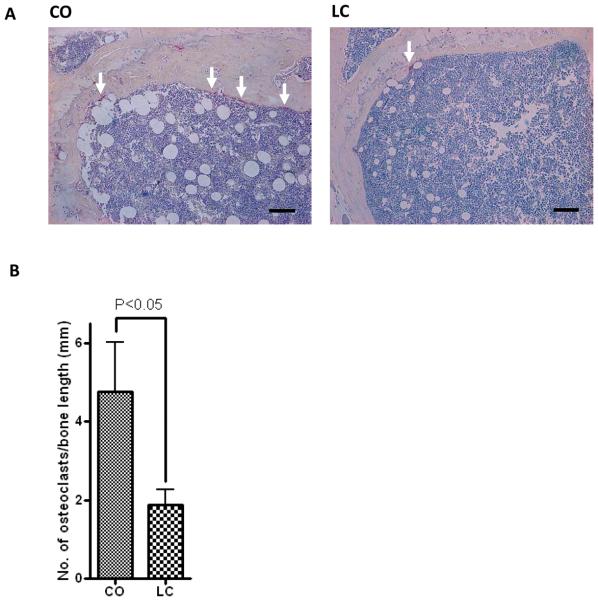
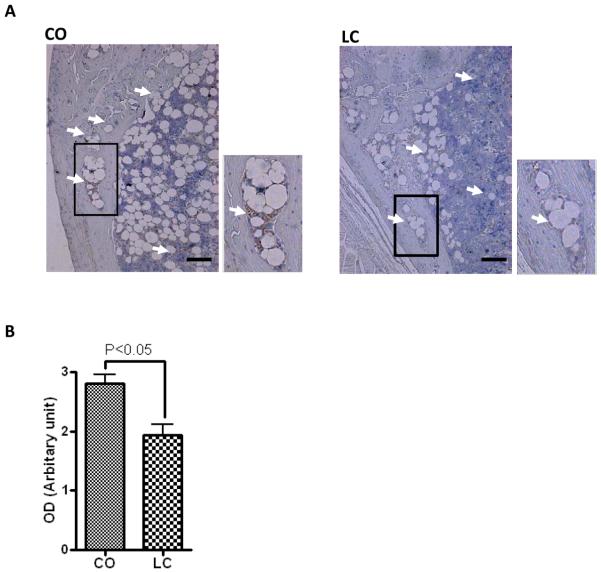
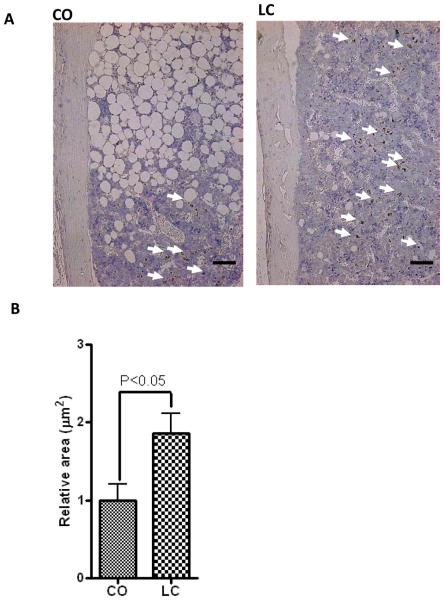
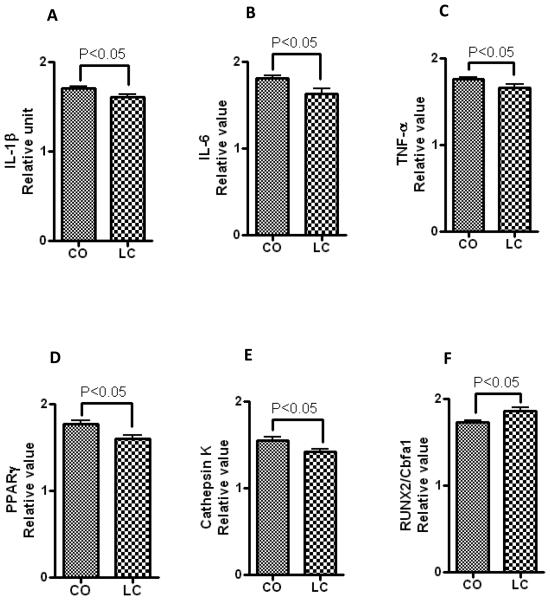
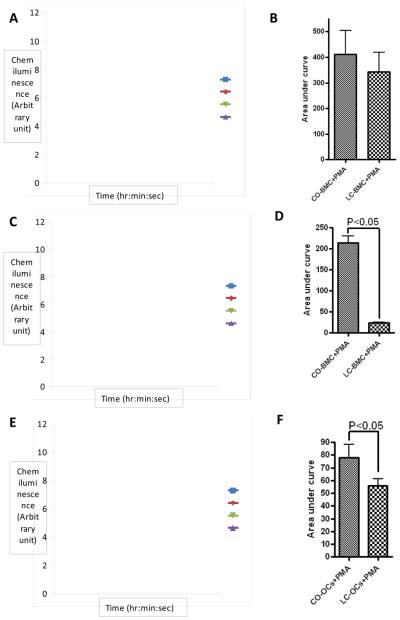
Clinical evidence indicates that fat is inversely proportional to bone mass in elderly obese women. However, it remains unclear whether obesity accelerates bone loss. In this report we present evidence that increased visceral fat leads to inflammation and subsequent bone loss in 12-month-old C57BL/6J mice that were fed 10% corn oil (CO)-based diet and a control lab chow (LC) for 6 months. As expected from our previous work, CO-fed mice demonstrated increased visceral fat and enhanced total body fat mass compared to LC. The adipocyte-specific PPARγ and bone marrow (BM) adiposity were increased in CO-fed mice. In correlation with those modifications, inflammatory cytokines (IL-1β, IL-6, TNF-α) were significantly elevated in CO-fed mice compared to LC-fed mice. This inflammatory BM microenvironment resulted in increased superoxide production in osteoclasts and undifferentiated BM cells. In CO-fed mice, the increased number of osteoclasts per trabecular bone length and the increased osteoclastogenesis assessed ex-vivo suggest that CO diet induces bone resorption. Additionally, the up-regulation of osteoclast-specific cathepsin k and RANKL expression and down-regulation of osteoblast-specific RUNX2/Cbfa1 supports this bone resorption in CO-fed mice. Also, CO-fed mice exhibited lower trabecular bone volume in the distal femoral metaphysis and had reduced OPG expression. Collectively, our results suggest that increased bone resorption in mice fed a CO-enriched diet is possibly due to increased inflammation mediated by the accumulation of adipocytes in the BM microenvironment. This inflammation may consequently increase osteoclastogenesis, while reducing osteoblast development in CO-fed mice.
临床证据表明,老年肥胖女性的脂肪与骨量呈反比。然而,肥胖是否会加速骨质流失仍不清楚。在本报告中,我们提供的证据表明,在喂食 10%玉米油(CO)饮食和对照实验室饲料(LC)6 个月的 12 个月龄 C57BL/6J 小鼠中,内脏脂肪增加导致炎症和随后的骨质流失。正如我们之前的工作所预期的那样,与 LC 相比,CO 喂养的小鼠表现出内脏脂肪增加和全身脂肪质量增加。CO 喂养的小鼠的脂肪细胞特异性过氧化物酶体增殖物激活受体γ(PPARγ)和骨髓(BM)脂肪增多。与这些变化相关,与 LC 喂养的小鼠相比,CO 喂养的小鼠的炎症细胞因子(IL-1β、IL-6、TNF-α)显著升高。这种炎症性 BM 微环境导致破骨细胞和成骨细胞中活性氧的产生增加。在 CO 喂养的小鼠中,每个小梁骨长度的破骨细胞数量增加,体外评估的破骨细胞生成增加表明 CO 饮食诱导骨吸收。此外,破骨细胞特异性组织蛋白酶 K 和 RANKL 表达的上调和成骨细胞特异性 RUNX2/Cbfa1 的下调支持 CO 喂养的小鼠的这种骨吸收。此外,CO 喂养的小鼠在远端股骨干骺端的小梁骨体积较低,并且 OPG 表达减少。总之,我们的结果表明,喂食富含 CO 的饮食的小鼠的骨吸收增加可能是由于 BM 微环境中脂肪细胞的积累引起的炎症增加所致。这种炎症可能会增加破骨细胞生成,同时减少 CO 喂养小鼠的成骨细胞发育。