Desai Saral S, Jambhekar Nirmala A
Department of Pathology, Tata Memorial Hospital, Dr. Ernest Borges Road, Parel, Mumbai, Maharashtra, India.
Indian J Orthop. 2010 Oct;44(4):363-8. doi: 10.4103/0019-5413.69304.
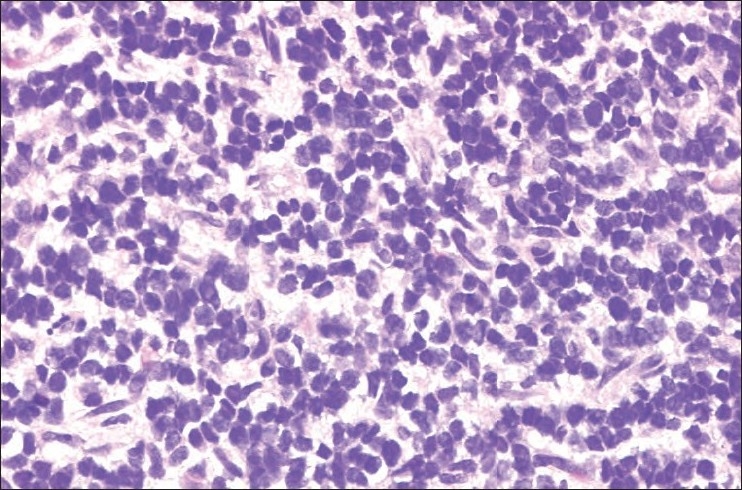
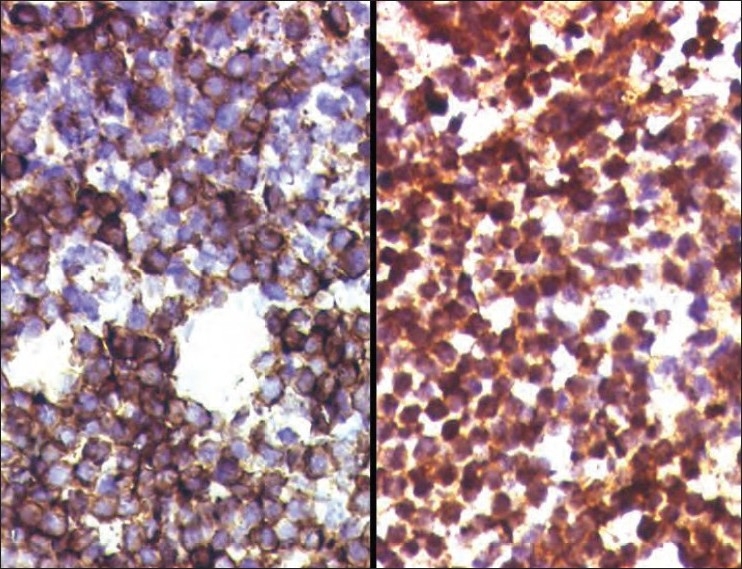
Ewing's sarcoma/PNET are small round cell tumors showing a varying degree of neuroectodermal differentiation. They are one of the commonest tumors of childhood and occur in bone and within soft tissues. Traditionally, light microscopy with the aid of immunohistochemical stains was suitable for diagnosis. But now translocation analyses are being used not only for the diagnosis and classification of small round cell tumors, but to ascertain their prognostic significance, detect micrometastasis, and monitor minimal residual disease, with potential for targeted therapy. This article analyzes the pathology, biology, and molecular aspects of Ewing's sarcoma/PNET and discusses their clinical and therapeutic implications.
尤因肉瘤/原始神经外胚层肿瘤是显示不同程度神经外胚层分化的小圆细胞肿瘤。它们是儿童期最常见的肿瘤之一,发生于骨骼和软组织。传统上,借助免疫组织化学染色的光学显微镜检查适用于诊断。但现在,易位分析不仅用于小圆细胞肿瘤的诊断和分类,还用于确定其预后意义、检测微转移以及监测微小残留病,具有靶向治疗的潜力。本文分析了尤因肉瘤/原始神经外胚层肿瘤的病理学、生物学和分子方面,并讨论了它们的临床和治疗意义。