Department of Neurology, Washington University School of Medicine, St. Louis, Missouri 63110, USA.
Biol Psychiatry. 2010 Nov 15;68(10):903-12. doi: 10.1016/j.biopsych.2010.08.025.
Disease-modifying therapies for Alzheimer's disease (AD) would be most effective during the preclinical stage (pathology present, cognition intact) before significant neuronal loss occurs. Therefore, biomarkers that detect AD pathology in its early stages and predict dementia onset and progression will be invaluable for patient care and efficient clinical trial design.
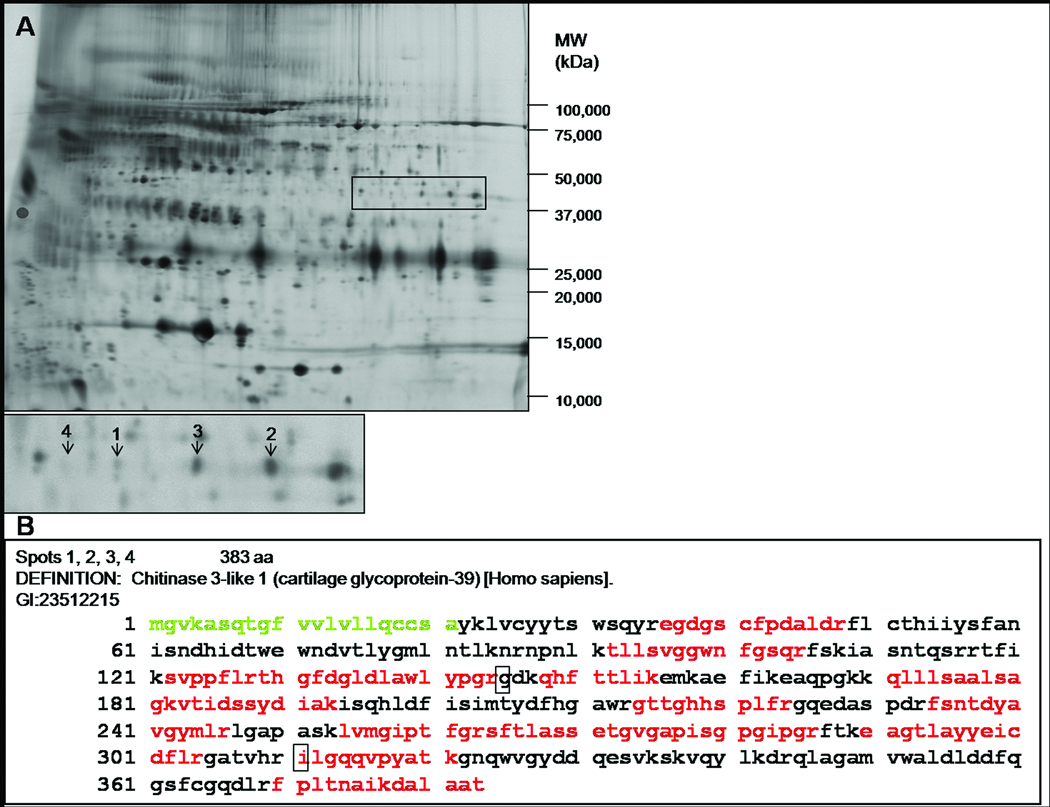
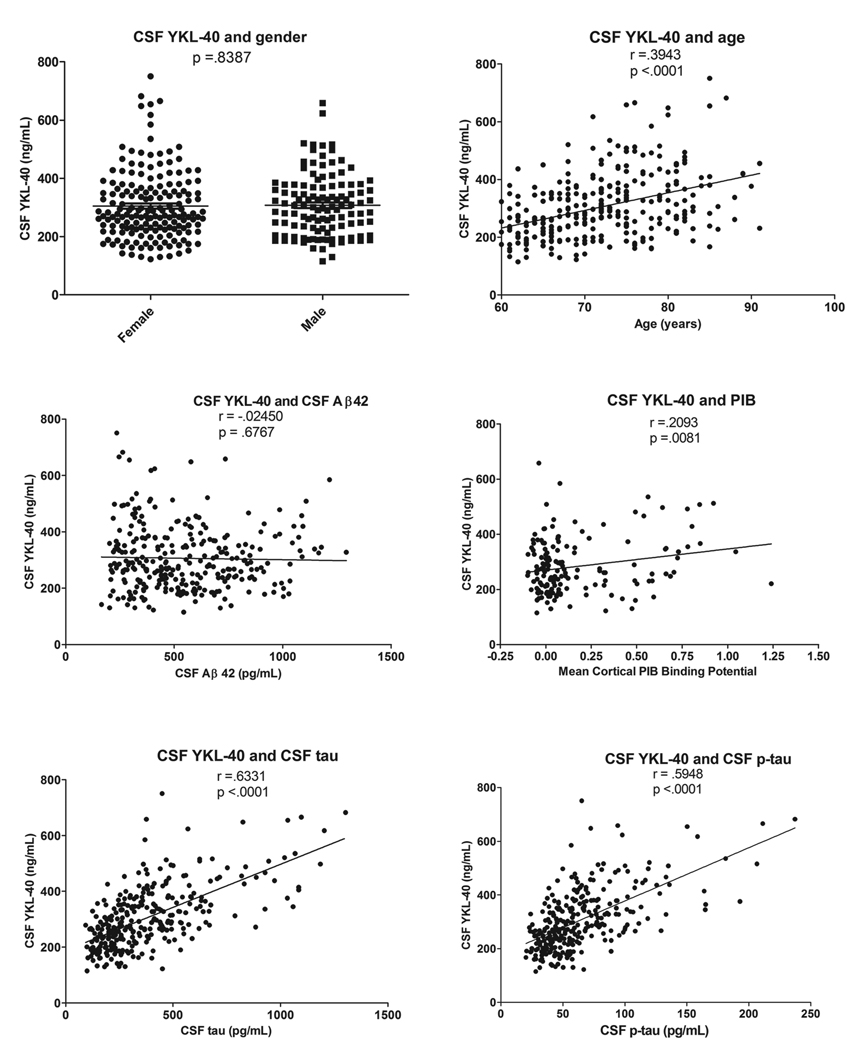
AD-associated changes in cerebrospinal fluid (CSF) were measured using two-dimensional difference gel electrophoresis and liquid chromatography tandem mass spectrometry. Subsequently, CSF YKL-40 was measured by enzyme-linked immunosorbent assay in the discovery cohort (n = 47), validation cohort (n = 292) with paired plasma samples (n = 237), frontotemporal lobar degeneration (n=9) [corrected], and progressive supranuclear palsy (PSP; n = 6). Immunohistochemistry was performed to identify source(s) of YKL-40 in human AD brain.
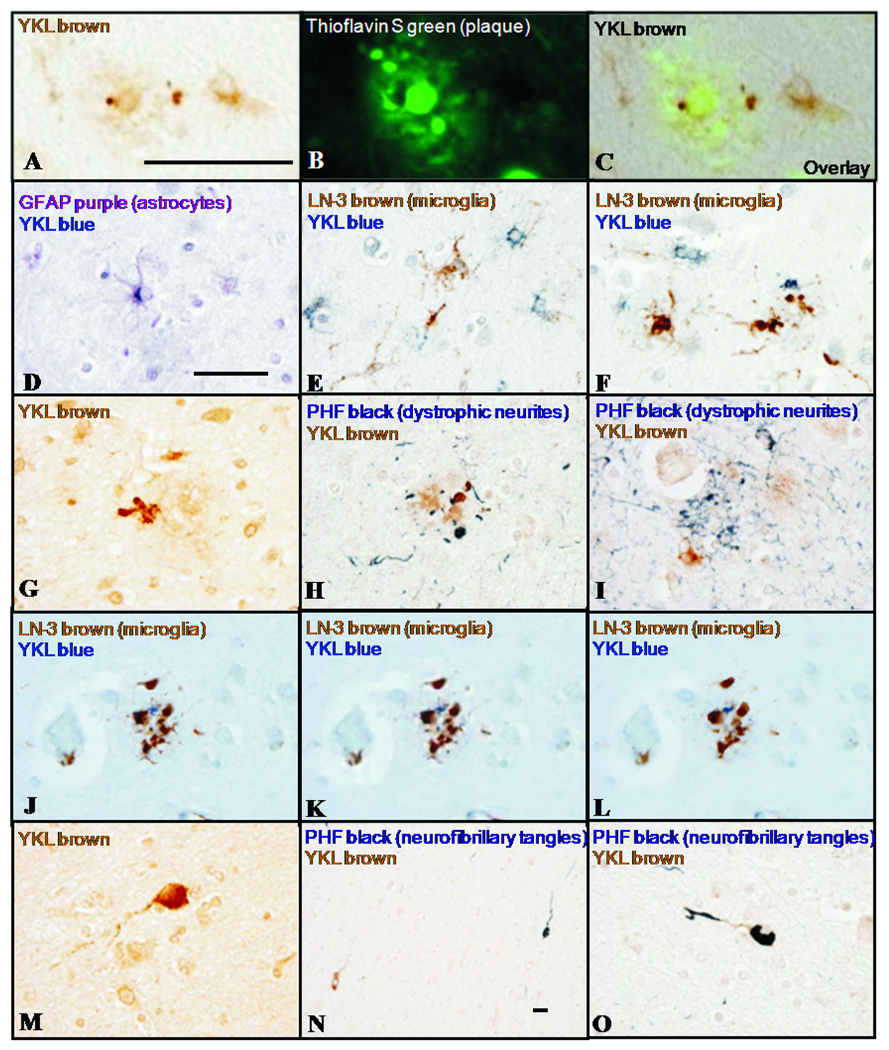
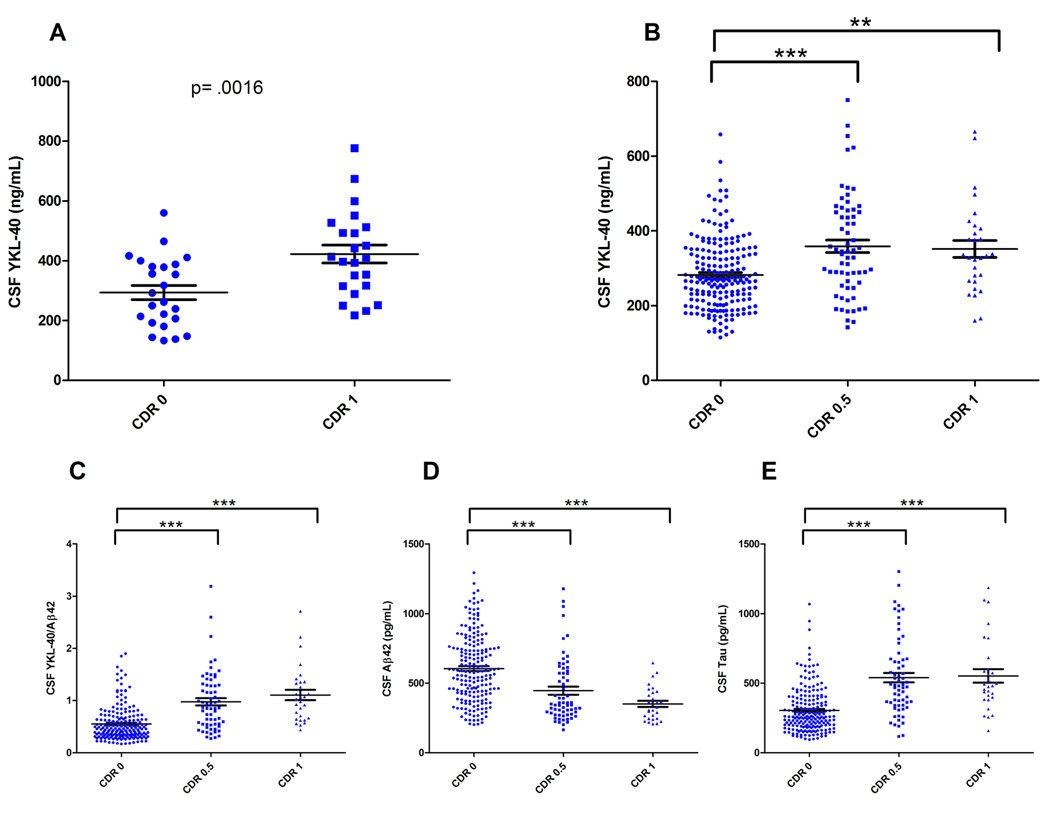
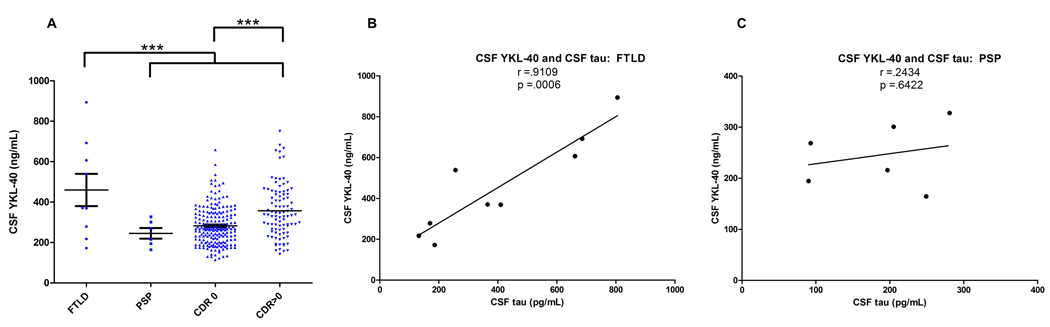
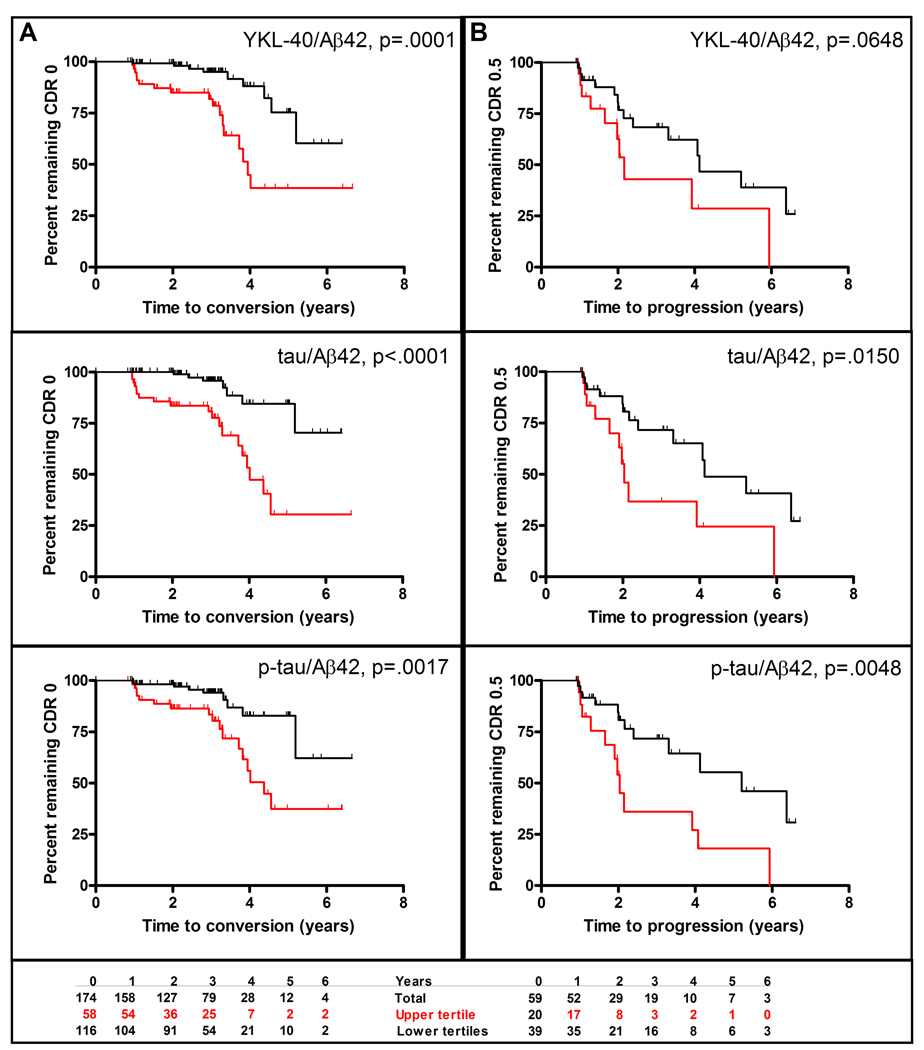
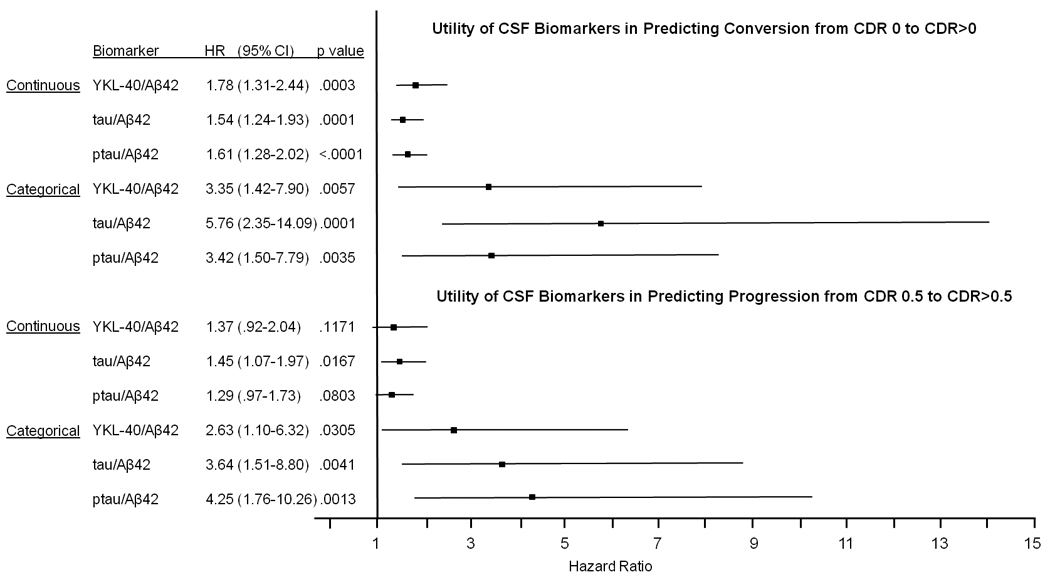
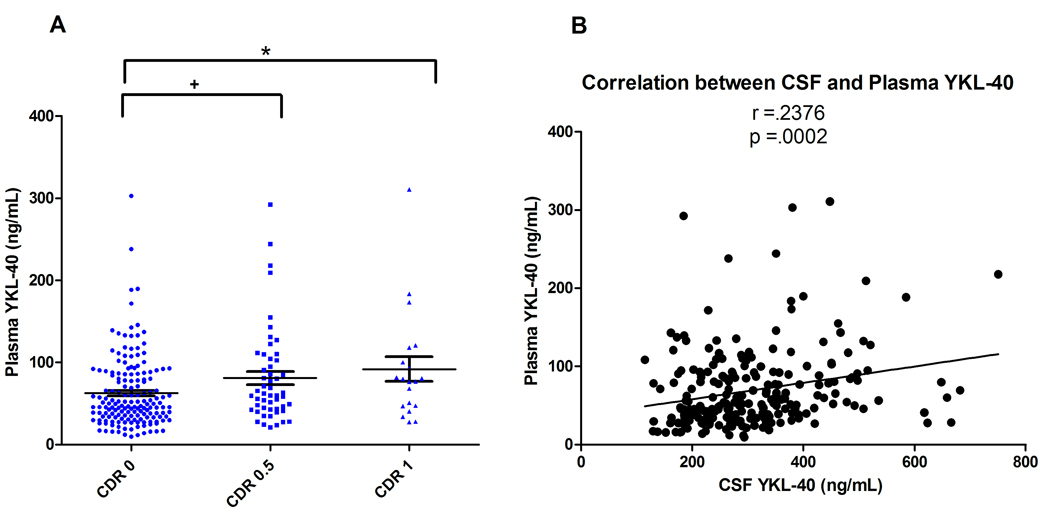
Discovery and validation cohorts, showed higher mean CSF YKL-40 in very mild and mild AD-type dementia (Clinical Dementia Rating [CDR] 0.5 and 1) versus control subjects (CDR 0) and PSP subjects. Importantly, CSF YKL-40/Aβ42 ratio predicted risk of developing cognitive impairment (CDR 0 to CDR > 0 conversion), as well as the best CSF biomarkers identified to date, tau/Aβ42 and p-tau 181/Aβ42. Mean plasma YKL-40 was higher in CDR 0.5 and 1 versus CDR 0, and correlated with CSF levels. YKL-40 immunoreactivity labeled astrocytes near a subset of amyloid plaques, implicating YKL-40 in the neuroinflammatory response to Aβ deposition.
These data demonstrate that YKL-40, a putative indicator of neuroinflammation, is elevated in AD and, together with Aβ42, has potential prognostic utility as a biomarker for preclinical AD.
阿尔茨海默病(AD)的疾病修饰疗法在发生明显神经元丢失之前的临床前阶段(存在病理学,认知完好)最为有效。因此,能够在早期检测到 AD 病理学并预测痴呆发作和进展的生物标志物对于患者护理和高效临床试验设计将是非常宝贵的。
使用二维差异凝胶电泳和液相色谱串联质谱法测量脑脊液(CSF)中与 AD 相关的变化。随后,使用酶联免疫吸附试验在发现队列(n=47)、验证队列(n=292)中测量 CSF YKL-40,在发现队列中还测量了配对的血浆样本(n=237)、额颞叶变性(n=9)[校正]和进行性核上性麻痹(PSP;n=6)。进行免疫组织化学以鉴定人 AD 脑中 YKL-40 的来源。
发现队列和验证队列显示,在非常轻度和轻度 AD 型痴呆(临床痴呆评定量表[CDR] 0.5 和 1)与对照组(CDR 0)和 PSP 组相比,CSF YKL-40 平均值更高。重要的是,CSF YKL-40/Aβ42 比值预测了发生认知障碍的风险(CDR 0 到 CDR > 0 的转换),以及迄今为止确定的最佳 CSF 生物标志物,即 tau/Aβ42 和 p-tau 181/Aβ42。与 CDR 0 相比,CDR 0.5 和 1 的平均血浆 YKL-40 更高,并且与 CSF 水平相关。YKL-40 免疫反应性标记了一组淀粉样斑块附近的星形胶质细胞,表明 YKL-40 参与了针对 Aβ 沉积的神经炎症反应。
这些数据表明,YKL-40 是神经炎症的一个潜在标志物,在 AD 中升高,并且与 Aβ42 一起具有作为临床前 AD 生物标志物的潜在预后效用。