Institute for Translational Medicine and Therapeutics and Department of Pharmacology, University of Pennsylvania School of Medicine, Philadelphia, PA, USA.
Nephrology (Carlton). 2010 Oct;15(7):663-75. doi: 10.1111/j.1440-1797.2010.01373.x.
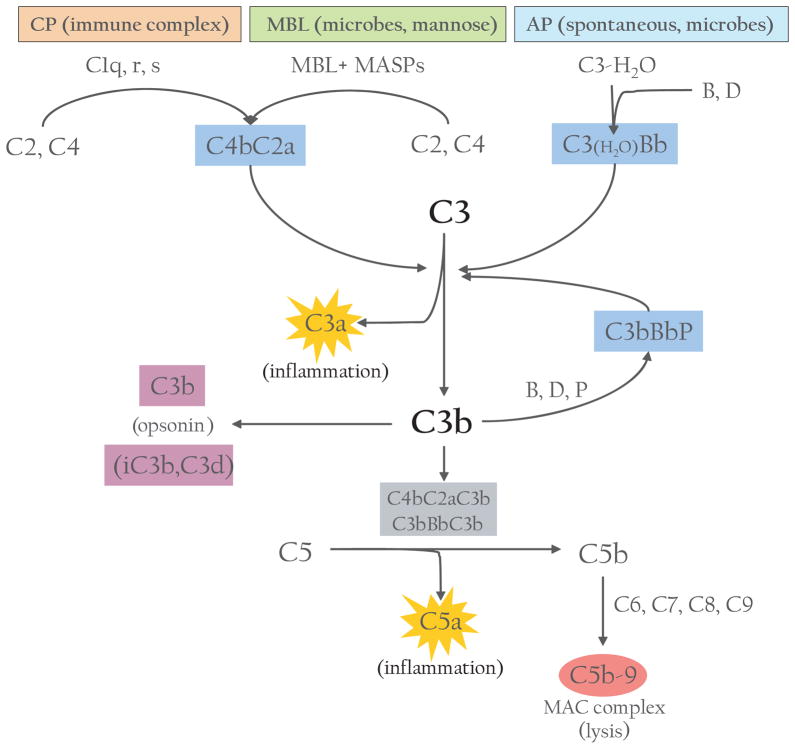
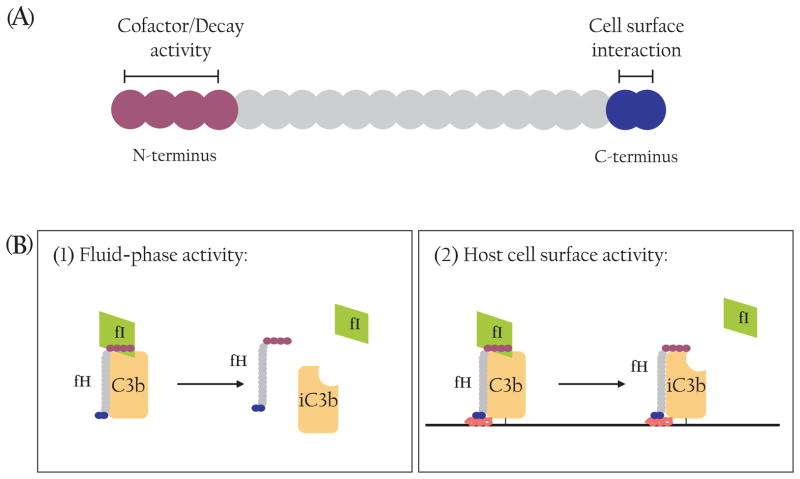
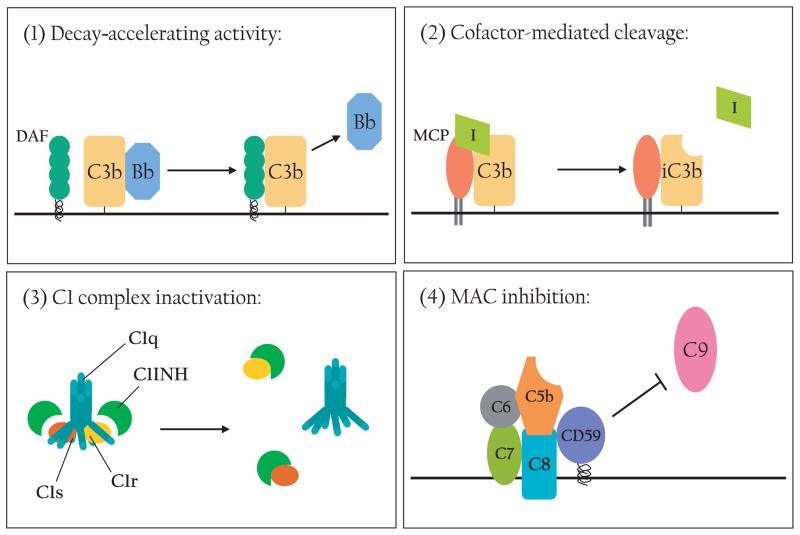
Complement is a part of the body's innate immune system that helps defend the host from microbial infection. It is tightly controlled by a number of cell surface and fluid-phase proteins so that under normal circumstances injury to autologous tissues is avoided. In many pathological settings, such as when the complement regulatory mechanisms are dysfunctional or overwhelmed, complement attack of autologous tissues can occur with severe, sometimes life-threatening consequences. The kidney appears to be particularly vulnerable to complement-mediated inflammatory injury and many kidney pathologies have been linked to abnormal complement activation. Clinical and experimental studies have shown that complement attack can be a primary cause in rare, genetically predisposed kidney diseases or a significant contributor to kidney injury caused by other etiological factors. Here we provide a brief review of recent advances on the activation and regulation of the complement system in kidney disease, with a particular emphasis on the relevance of complement regulatory proteins.
补体是机体固有免疫系统的一部分,有助于宿主抵御微生物感染。它受到许多细胞表面和液相结合蛋白的严密调控,因此在正常情况下,不会发生对自身组织的损伤。在许多病理情况下,如补体调节机制失调或失代偿时,补体可能会攻击自身组织,导致严重的、有时甚至危及生命的后果。肾脏似乎特别容易受到补体介导的炎症损伤,许多肾脏疾病与补体异常激活有关。临床和实验研究表明,在罕见的遗传性肾脏疾病中,补体攻击可能是一个主要病因,而在其他病因引起的肾脏损伤中,补体攻击也起着重要作用。本文简要综述了补体系统在肾脏疾病中的激活和调控的最新进展,特别强调了补体调节蛋白的相关性。