Department of Cell and Developmental Biology, Oregon Health & Science University, Portland, USA.
J Neuroinflammation. 2010 Nov 8;7:75. doi: 10.1186/1742-2094-7-75.
Recombinant T cell receptor ligands (RTLs) are bio-engineered molecules that may serve as novel therapeutic agents for the treatment of neuroinflammatory conditions such as multiple sclerosis (MS). RTLs contain membrane distal α1 plus β1 domains of class II major histocompatibility complex linked covalently to specific peptides that can be used to regulate T cell responses and inhibit experimental autoimmune encephalomyelitis (EAE). The mechanisms by which RTLs impede local recruitment and retention of inflammatory cells in the CNS, however, are not completely understood.
We have recently shown that RTLs bind strongly to B cells, macrophages, and dendritic cells, but not to T cells, in an antigenic-independent manner, raising the question whether peripheral blood cells express a distinct RTL-receptor. Our study was designed to characterize the molecular mechanisms by which RTLs bind human blood platelets, and the ability of RTL to modulate platelet function.
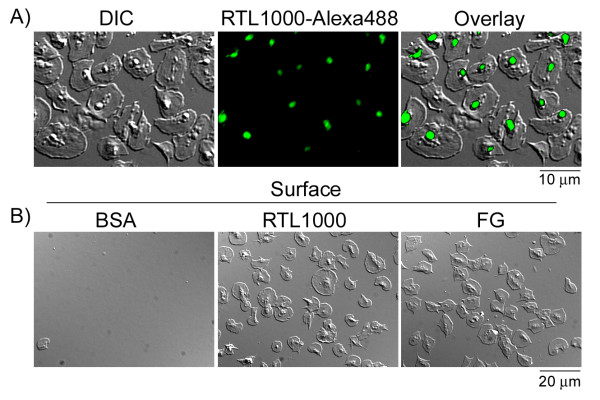
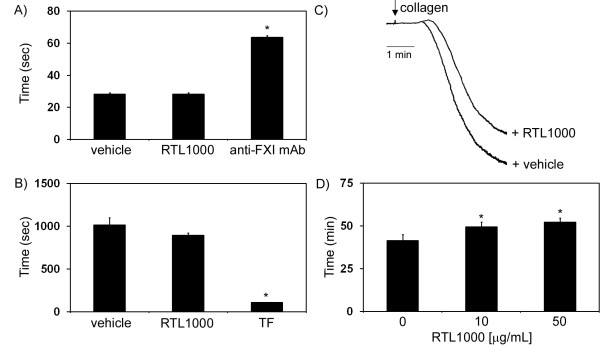
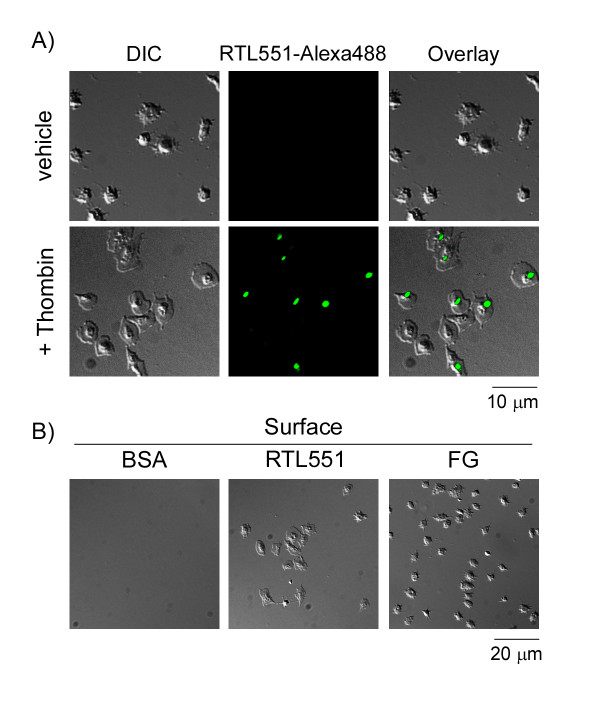
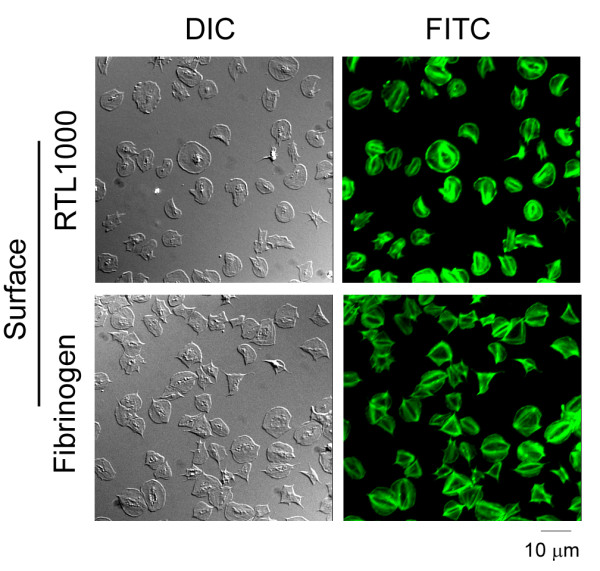
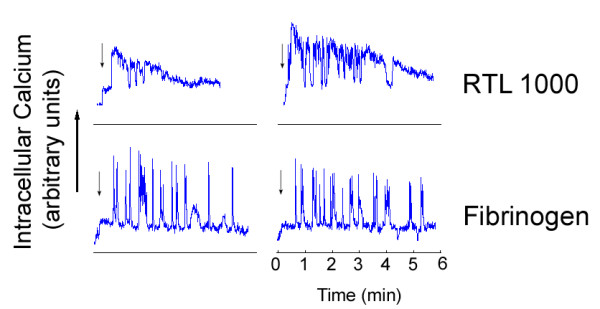
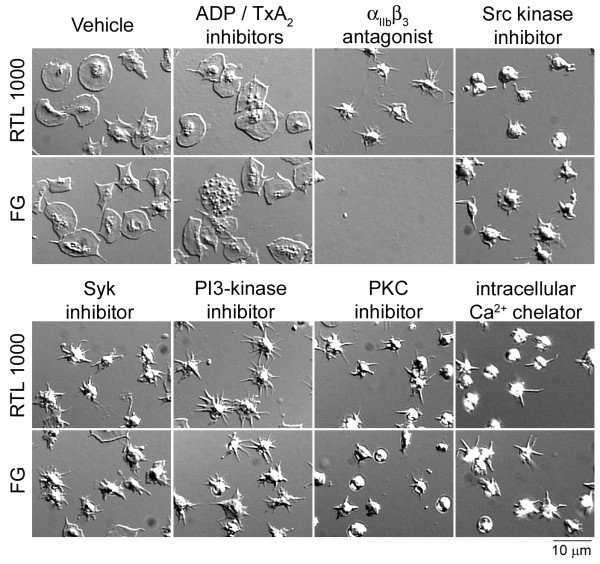
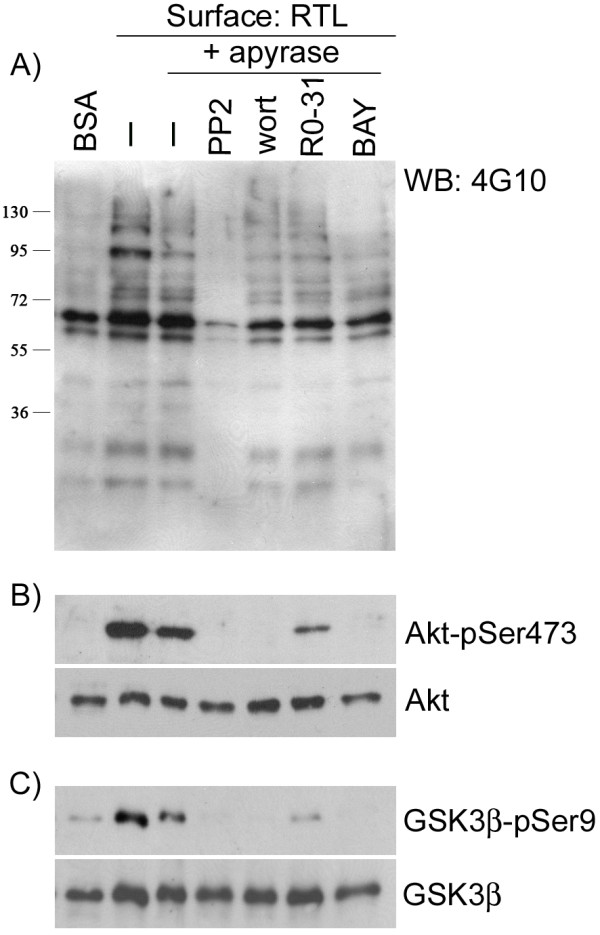
Our data demonstrate that human blood platelets support binding of RTL. Immobilized RTL initiated platelet intracellular calcium mobilization and lamellipodia formation through a pathway dependent upon Src and PI3 kinases signaling. The presence of RTL in solution reduced platelet aggregation by collagen, while treatment of whole blood with RTL prolonged occlusive thrombus formation on collagen.
Platelets, well-known regulators of hemostasis and thrombosis, have been implicated in playing a major role in inflammation and immunity. This study provides the first evidence that blood platelets express a functional RTL-receptor with a putative role in modulating pathways of neuroinflammation.
重组 T 细胞受体配体(RTLs)是一种经过生物工程改造的分子,可作为治疗多发性硬化症(MS)等神经炎症疾病的新型治疗药物。RTLs 包含与特定肽共价连接的 II 类主要组织相容性复合物的膜远端 α1 和 β1 结构域,可用于调节 T 细胞反应并抑制实验性自身免疫性脑脊髓炎(EAE)。然而,RTLs 阻止炎症细胞在中枢神经系统中局部募集和保留的机制尚不完全清楚。
我们最近表明,RTLs 以抗原非依赖性方式与 B 细胞、巨噬细胞和树突状细胞强烈结合,但不与 T 细胞结合,这引发了外周血细胞是否表达独特的 RTL 受体的问题。我们的研究旨在表征 RTL 与人血血小板结合的分子机制,以及 RTL 调节血小板功能的能力。
我们的数据表明,人血血小板支持 RTL 的结合。固定 RTL 通过依赖Src 和 PI3 激酶信号的途径启动血小板细胞内钙动员和片状伪足形成。溶液中的 RTL 存在减少了胶原蛋白诱导的血小板聚集,而 RTL 处理全血延长了胶原蛋白上闭塞性血栓形成。
血小板是众所周知的止血和血栓形成的调节剂,已被认为在炎症和免疫中起主要作用。这项研究首次提供了证据,证明血血小板表达一种功能性 RTL 受体,可能在调节神经炎症途径中发挥作用。