ReProtect, Inc, Baltimore, MD 21286 USA.
BMC Infect Dis. 2010 Nov 18;10:331. doi: 10.1186/1471-2334-10-331.
Several active ingredients proposed as vaginal microbicides have been shown paradoxically to increase susceptibility to infection in mouse genital herpes (HSV-2) vaginal susceptibility models and in clinical trials. In addition, "inactive ingredients" (or excipients) used in topical products to formulate and deliver the active ingredient might also cause epithelial toxicities that increase viral susceptibility. However, excipients have not previously been tested in susceptibility models.
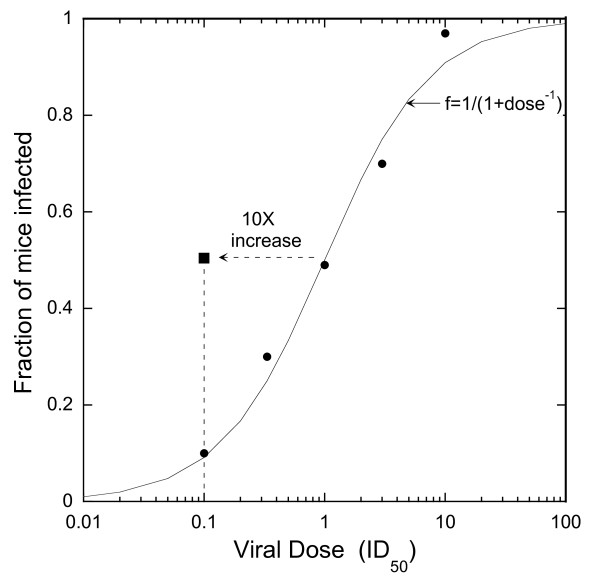
Excipients commonly used in topical products were formulated in a non-toxic vehicle (the "HEC universal placebo"), or other formulations as specified. Twelve hours after exposure to the excipient or a control treatment, mice were challenged with a vaginal dose of HSV-2, and three days later were assessed for infection by vaginal lavage culture to assess susceptibility.
The following excipients markedly increased susceptibility to HSV-2 after a single exposure: 5% glycerol monolaurate (GML) formulated in K-Y® Warming Jelly, 5% GML as a colloidal suspension in phosphate buffered saline, K-Y Warming Jelly alone, and both of its humectant/solvent ingredients (neat propylene glycol and neat PEG-8). For excipients formulated in the HEC vehicle, 30% glycerin significantly increased susceptibility, and a trend toward increased HSV-2 susceptibility was observed after 10% glycerin, and 0.1% disodium EDTA, but not after 0.0186% disodium EDTA. The following excipients did not increase susceptibility: 10% propylene glycol, 0.18%, methylparaben plus 0.02% propylparaben, and 1% benzyl alcohol.
As reported with other surfactants, the surfactant/emulsifier GML markedly increased susceptibility to HSV-2. Glycerin at 30% significantly increased susceptibility, and, undiluted propylene glycol and PEG-8 greatly increased susceptibility.
几种被提议作为阴道杀微生物剂的活性成分在小鼠生殖器疱疹(HSV-2)阴道易感性模型和临床试验中出人意料地显示出增加感染易感性的作用。此外,用于配制和输送活性成分的局部产品中的“非活性成分”(或赋形剂)也可能引起增加病毒易感性的上皮毒性。然而,以前尚未在易感性模型中测试过赋形剂。
将局部产品中常用的赋形剂配制成无毒载体(“HEC 通用安慰剂”),或按规定配制其他制剂。暴露于赋形剂或对照处理 12 小时后,用阴道剂量的 HSV-2 对小鼠进行攻击,然后在 3 天后通过阴道冲洗培养评估感染情况,以评估易感性。
以下赋形剂在单次暴露后显著增加了对 HSV-2 的易感性:5%甘油单月桂酸酯(GML)在 K-Y®温热凝胶中配制,5%GML 作为胶体悬浮液在磷酸盐缓冲盐水,K-Y 温热凝胶本身及其两种保湿剂/溶剂成分(纯丙二醇和纯 PEG-8)。对于在 HEC 载体中配制的赋形剂,30%甘油显著增加了易感性,10%甘油和 0.1% 乙二胺四乙酸二钠后观察到 HSV-2 易感性增加的趋势,但 0.0186% 乙二胺四乙酸二钠后没有增加。以下赋形剂没有增加易感性:10%丙二醇、0.18%、对羟基苯甲酸甲酯加 0.02%对羟基苯甲酸丙酯和 1%苯甲醇。
与其他表面活性剂一样,表面活性剂/乳化剂 GML 显著增加了对 HSV-2 的易感性。30%的甘油显著增加了易感性,而未稀释的丙二醇和 PEG-8 大大增加了易感性。