The Howard Hughes Medical Institute and the Department of Molecular Genetics and Microbiology, The University of Texas at Austin, Austin, Texas, USA.
Nat Struct Mol Biol. 2010 Dec;17(12):1478-85. doi: 10.1038/nsmb.1957. Epub 2010 Nov 21.
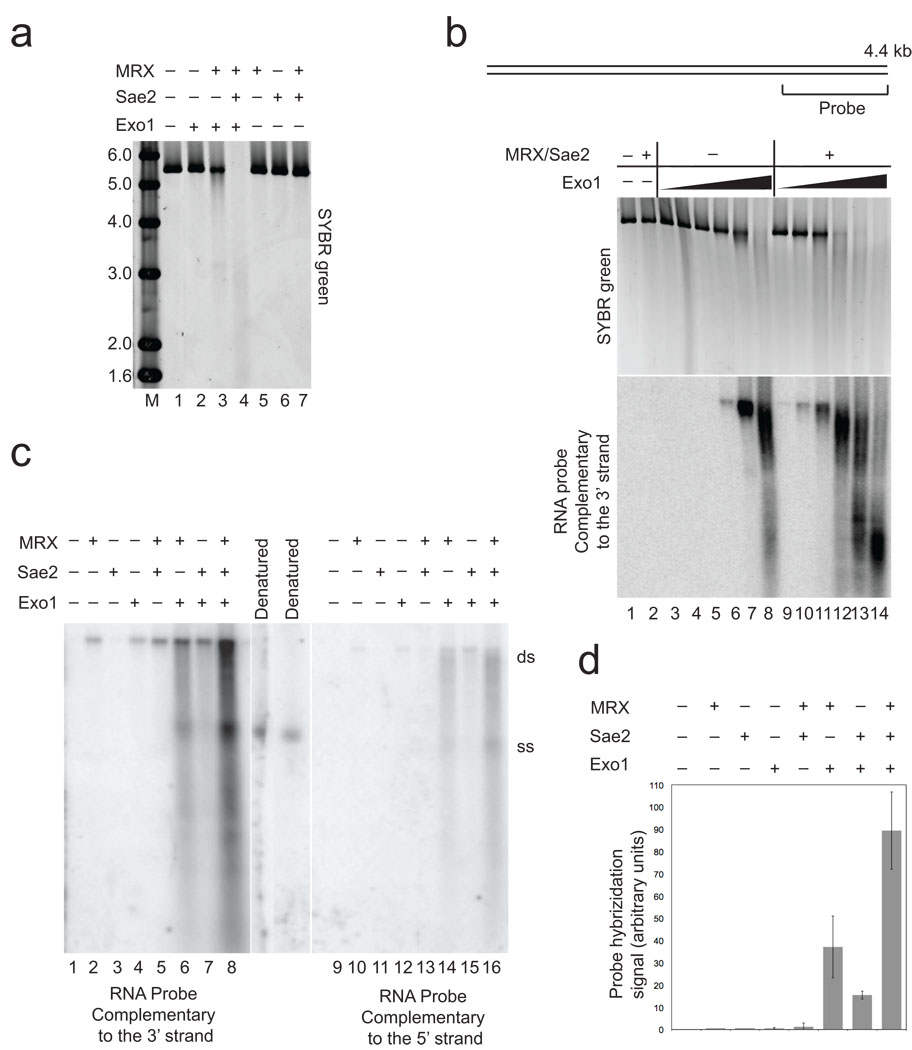
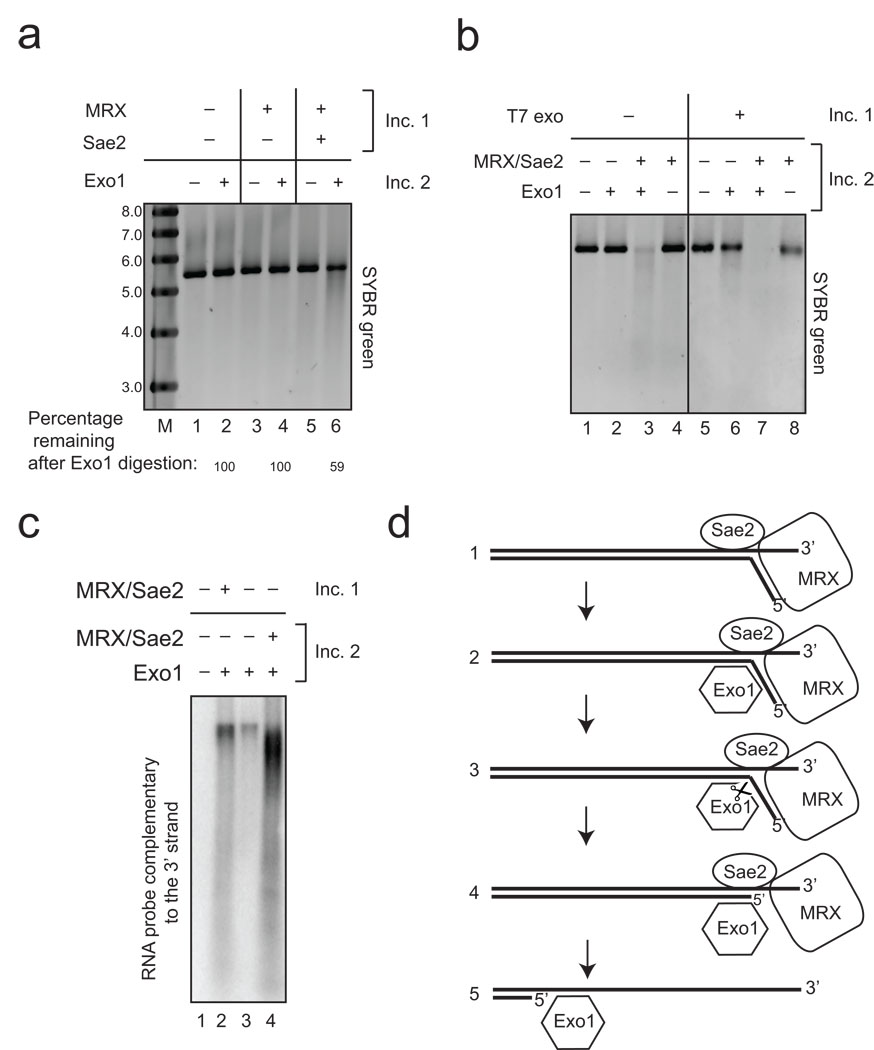
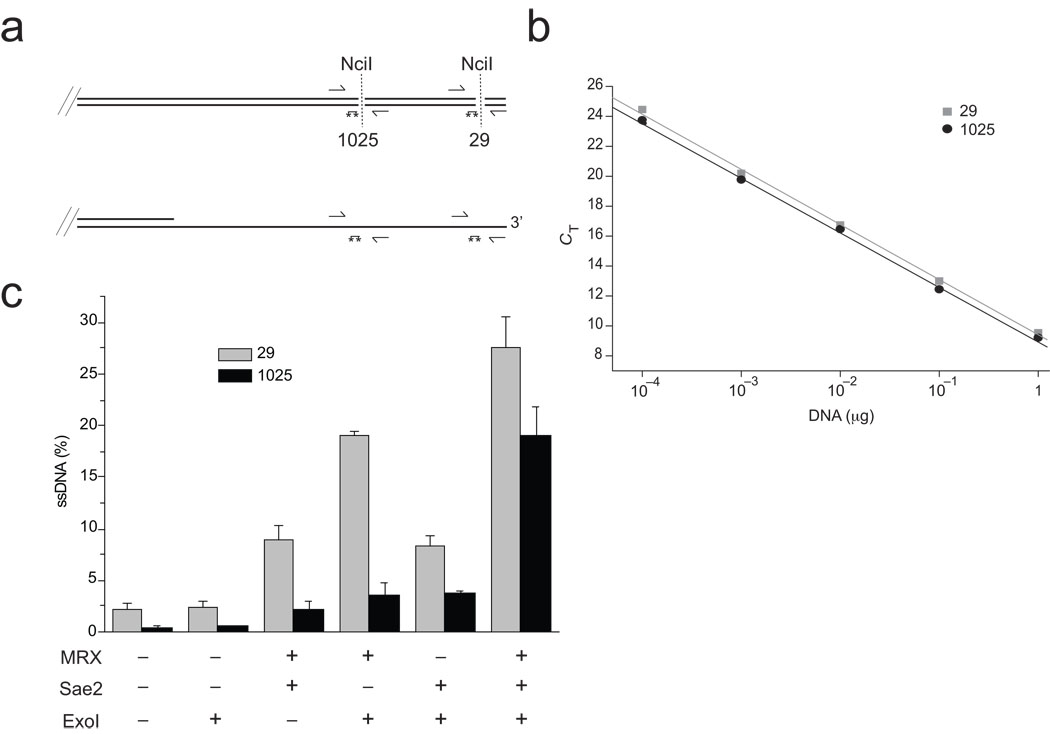
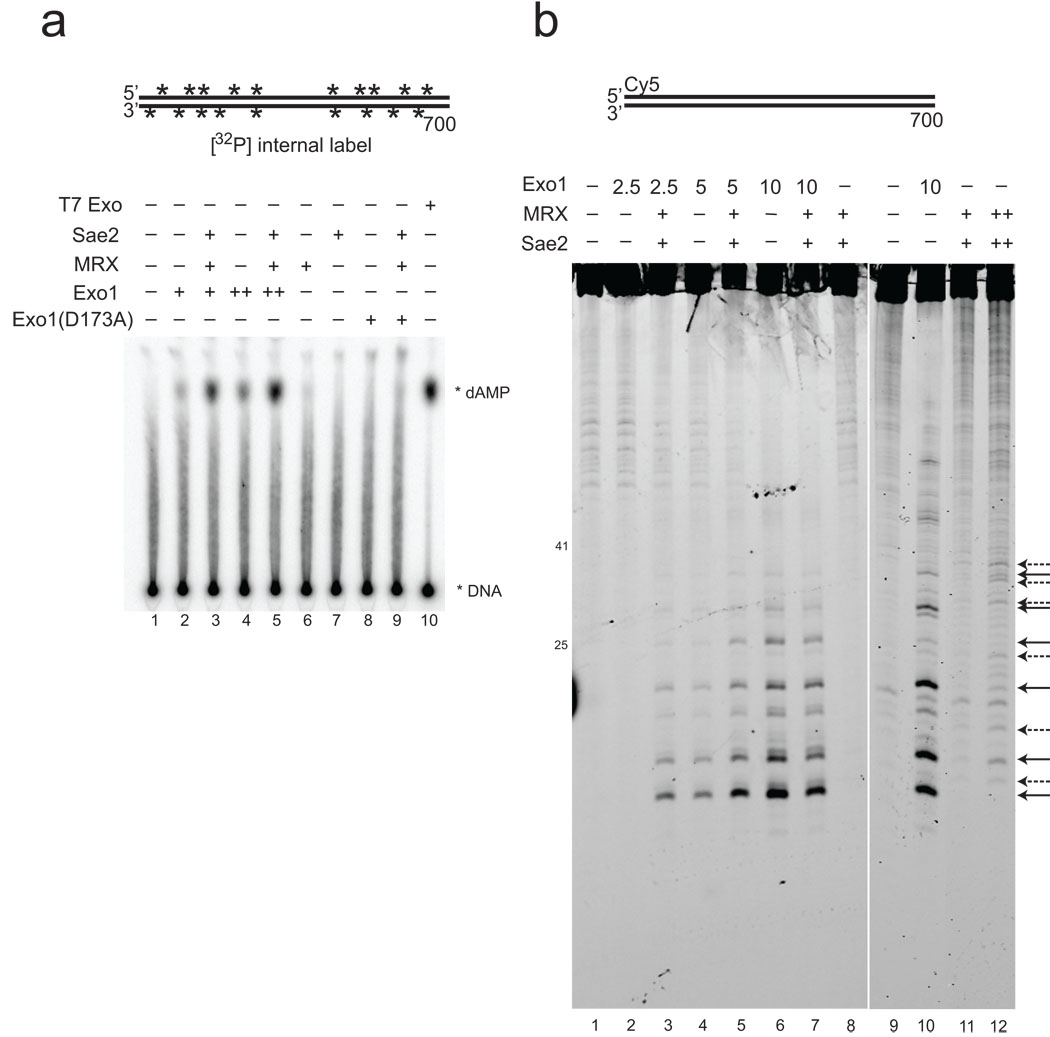
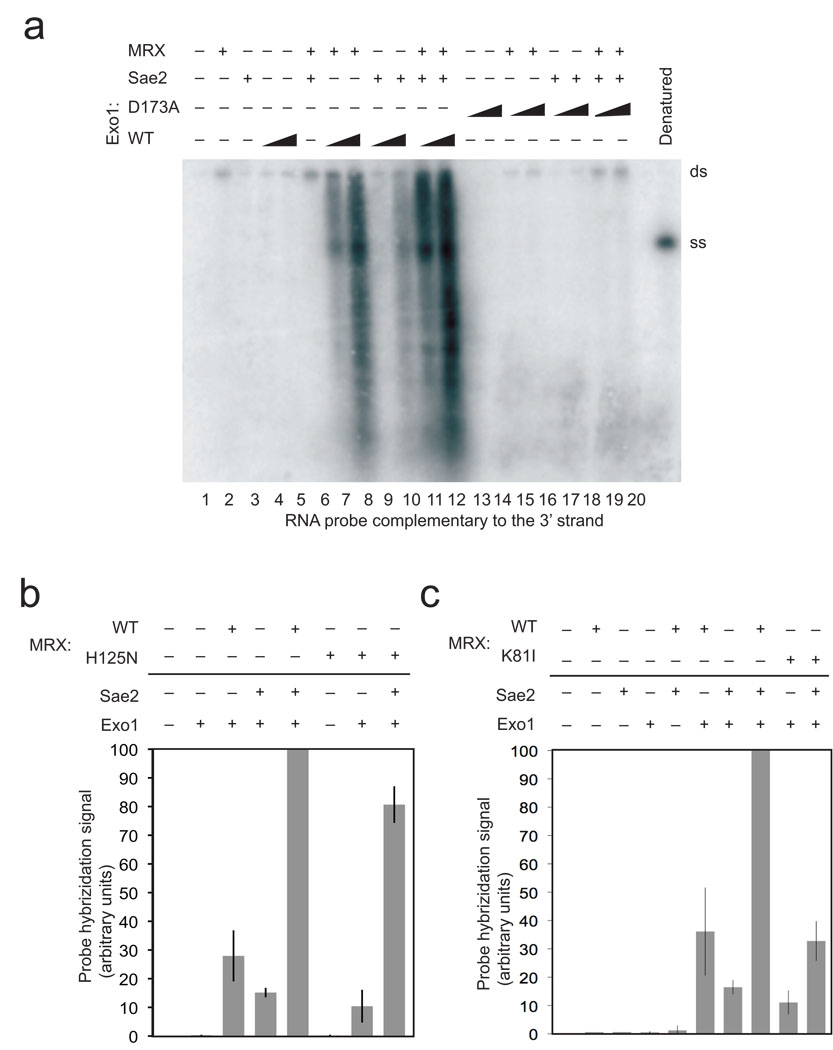
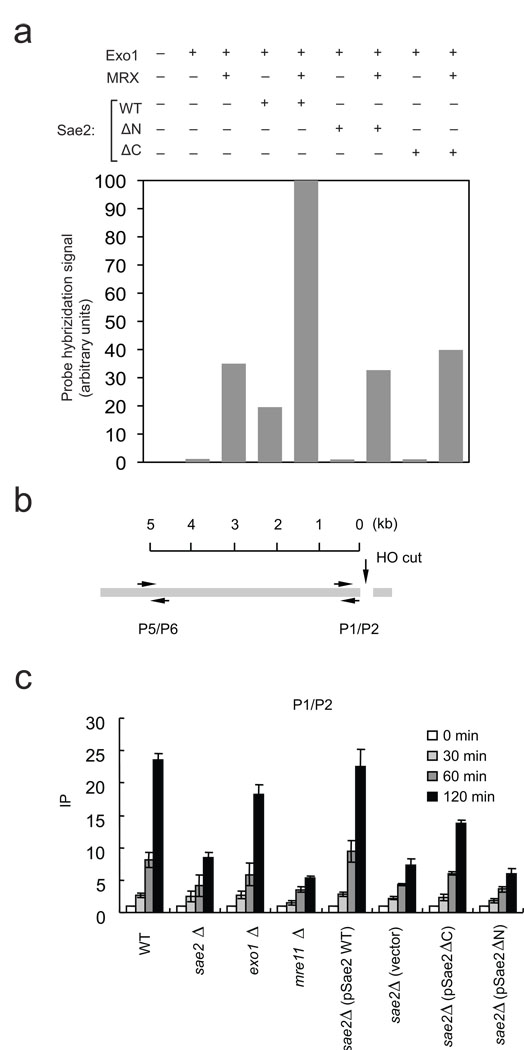
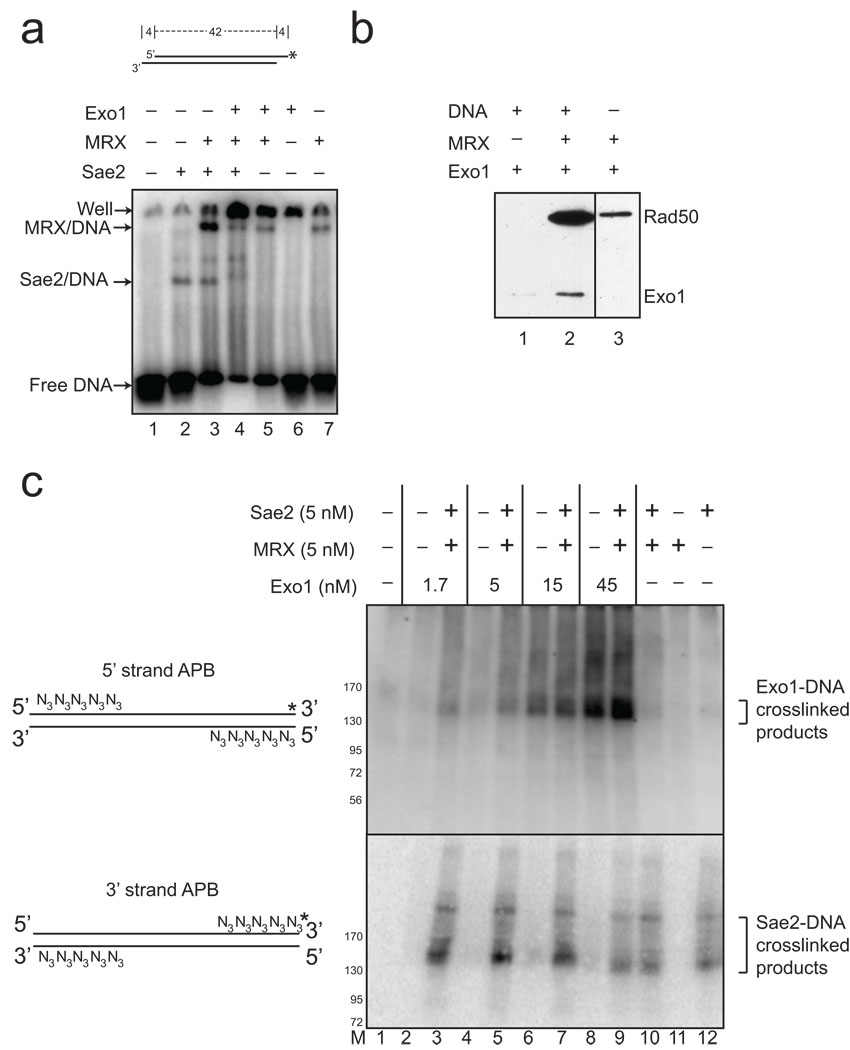
The repair of DNA double-strand breaks (DSBs) by homologous recombination is essential for genomic stability. The first step in this process is resection of 5' strands to generate 3' single-stranded DNA intermediates. Efficient resection in budding yeast requires the Mre11-Rad50-Xrs2 (MRX) complex and the Sae2 protein, although the role of MRX has been unclear because Mre11 paradoxically has 3'→5' exonuclease activity in vitro. Here we reconstitute resection with purified MRX, Sae2 and Exo1 proteins and show that degradation of the 5' strand is catalyzed by Exo1 yet completely dependent on MRX and Sae2 when Exo1 levels are limiting. This stimulation is mainly caused by cooperative binding of DNA substrates by Exo1, MRX and Sae2. This work establishes the direct role of MRX and Sae2 in promoting the resection of 5' strands in DNA DSB repair.
同源重组修复 DNA 双链断裂 (DSBs) 对于基因组稳定性至关重要。该过程的第一步是切除 5'链以产生 3'单链 DNA 中间体。在芽殖酵母中,有效的切除需要 Mre11-Rad50-Xrs2 (MRX) 复合物和 Sae2 蛋白,尽管 MRX 的作用尚不清楚,因为 Mre11 在体外具有 3'→5'外切核酸酶活性。在这里,我们使用纯化的 MRX、Sae2 和 Exo1 蛋白重新构建了切除反应,并表明 5'链的降解是由 Exo1 催化的,但当 Exo1 水平有限时,完全依赖于 MRX 和 Sae2。这种刺激主要是由 Exo1、MRX 和 Sae2 通过 DNA 底物的协同结合引起的。这项工作确立了 MRX 和 Sae2 在促进 DNA DSB 修复中 5'链切除中的直接作用。