Department of Neuroscience, Mayo Clinic, 4500 San Pablo Road, Jacksonville, Florida 32224, USA.
Mol Neurodegener. 2010 Dec 13;5:56. doi: 10.1186/1750-1326-5-56.
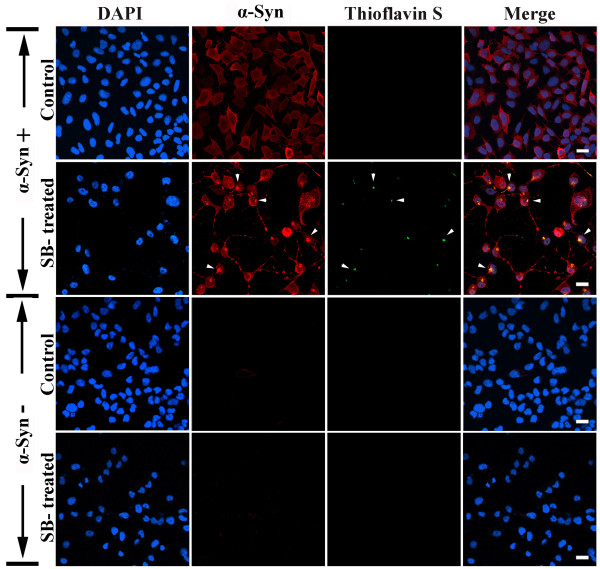
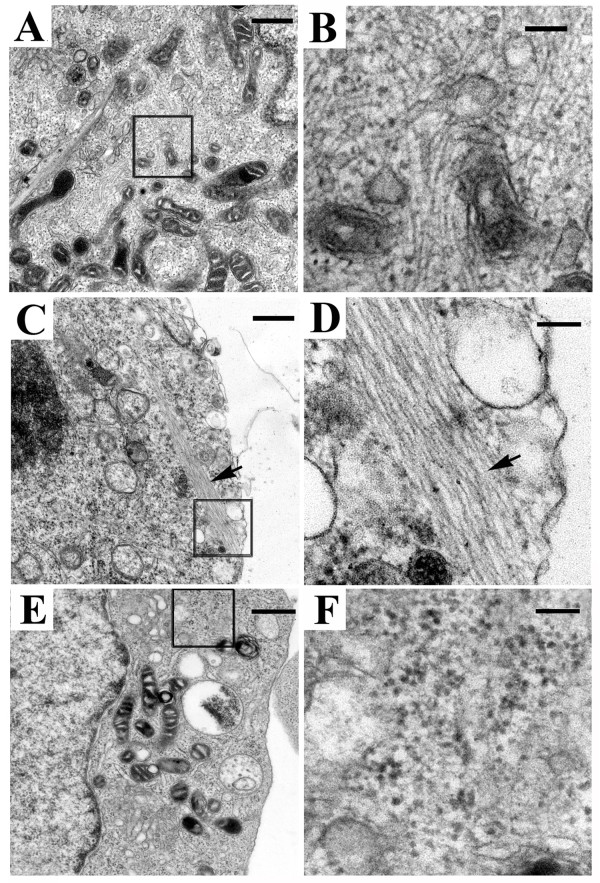
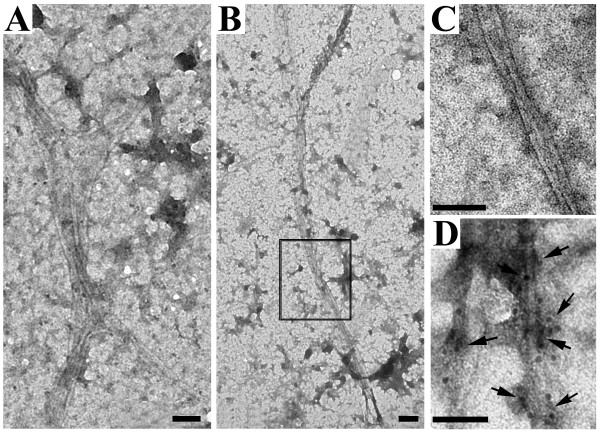
Accumulation of filamentous α-synuclein as Lewy bodies is a hallmark of Parkinson's disease. To identify the mechanisms involved in α-synuclein assembly and determine whether the assemblies are cytotoxic, we developed a cell model (3D5) that inducibly expresses wild-type human α-synuclein and forms inclusions that reproduce many morphological and biochemical characteristics of Lewy bodies. In the present study, we evaluated the effects of several histone deacetylase inhibitors on α-synuclein aggregation in 3D5 cells and primary neuronal cultures. These drugs have been demonstrated to protect cells transiently overexpressing α-synuclein from its toxicity.
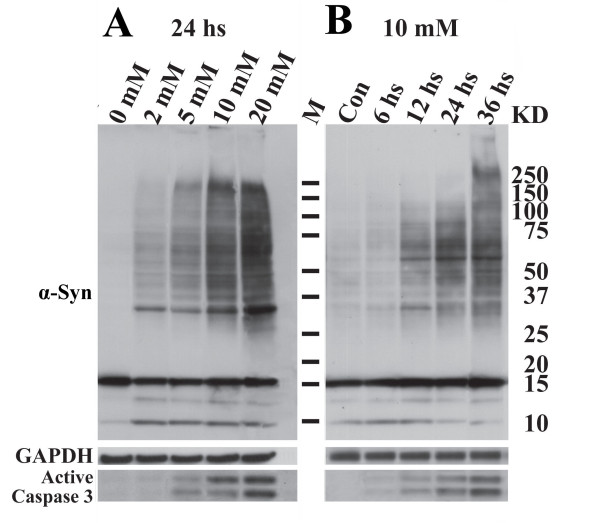
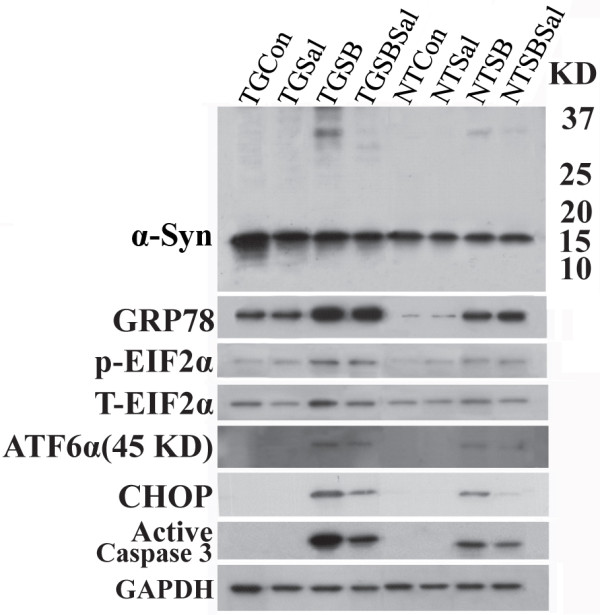
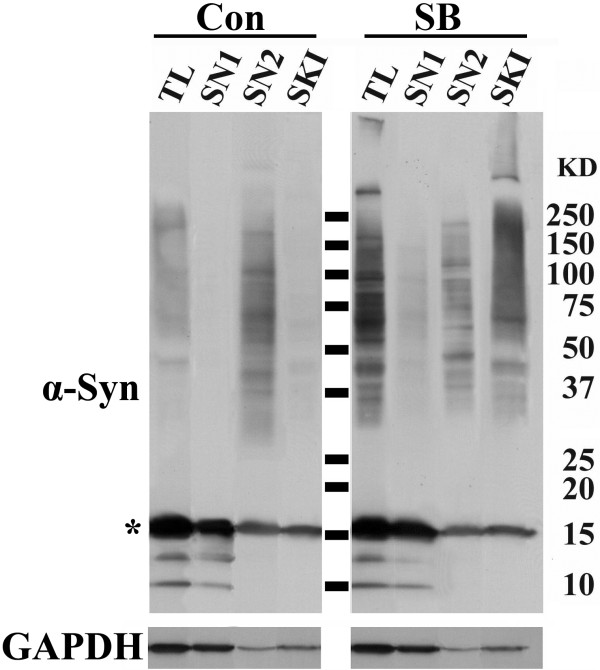
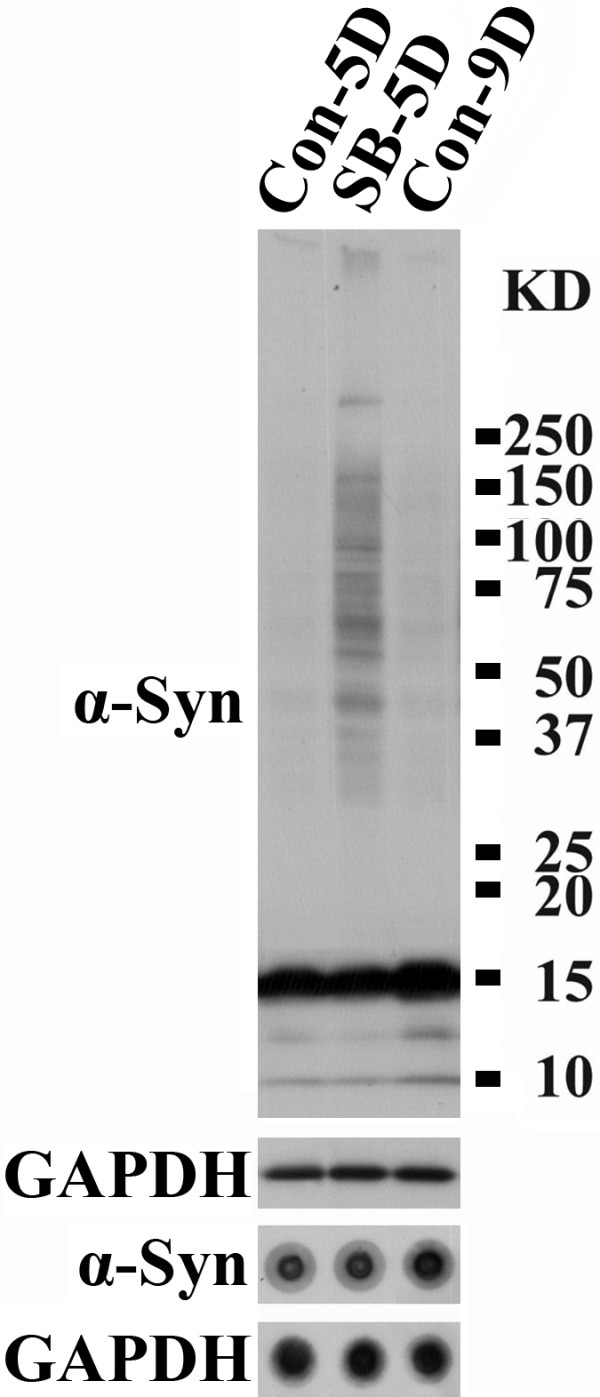
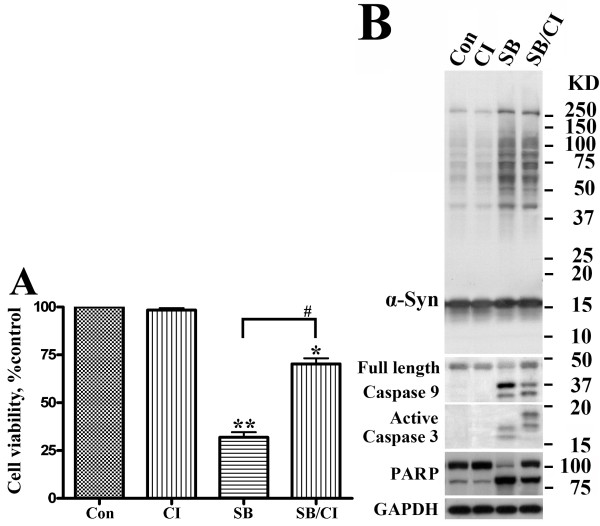
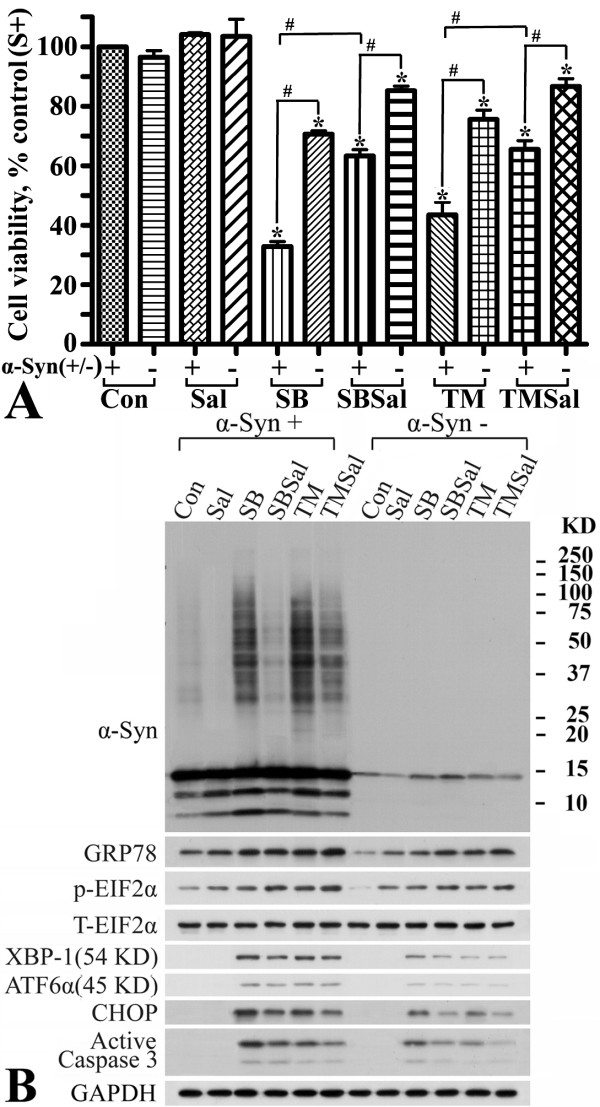
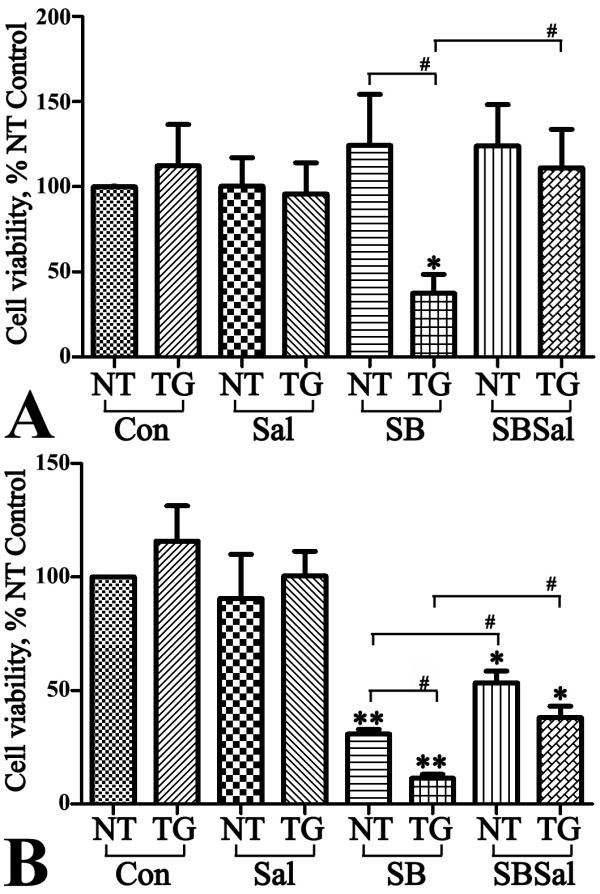
Contrary to transient transfectants, the drug treatment did not benefit 3D5 cells and primary cultures. The treated were less viable and contained more α-synuclein oligomers, active caspases 3 and 9, as well as ER stress markers than non-treated counterparts. The drug-treated, induced-3D5 cells, or primary cultures from transgenic mice overexpressing (<2 fold) α-synuclein, displayed more α-synuclein oligomers and ER stress markers than non-induced or non-transgenic counterparts. Similar effects were demonstrated in cultures treated with tunicamycin, an ER stressor. These effects were blocked by co-treatment with salubrinal, an ER stress inhibitor. In comparison, co-treatment with a pan caspase inhibitor protected cells from demise but did not reduce α-synuclein oligomer accumulation.
Our results indicate that an increase of wild-type α-synuclein can elicit ER stress response and sensitize cells to further insults. Most importantly, an increase of ER stress response can promote the aggregation of wild type α-synuclein.
纤维状α-突触核蛋白的积累形成路易体是帕金森病的一个标志。为了确定参与α-突触核蛋白组装的机制,并确定这些组装物是否具有细胞毒性,我们开发了一种可诱导表达野生型人α-突触核蛋白的细胞模型(3D5),并形成了包含物,这些包含物再现了路易体的许多形态和生化特征。在本研究中,我们评估了几种组蛋白去乙酰化酶抑制剂对 3D5 细胞和原代神经元培养物中α-突触核蛋白聚集的影响。这些药物已被证明可使瞬时过表达α-突触核蛋白的细胞免受其毒性。
与瞬时转染细胞相反,药物处理对 3D5 细胞和原代培养物没有益处。与未处理的细胞相比,处理过的细胞的存活率较低,并且含有更多的α-突触核蛋白寡聚物、活性半胱天冬酶 3 和 9 以及内质网应激标志物。与未诱导或非转基因对照相比,用药物处理的诱导 3D5 细胞或过表达(<2 倍)α-突触核蛋白的转基因小鼠的原代培养物显示出更多的α-突触核蛋白寡聚物和内质网应激标志物。用内质网应激物衣霉素处理的培养物也显示出类似的作用。这些作用可被内质网应激抑制剂 salubrinal 的共同处理所阻断。相比之下,用泛半胱天冬酶抑制剂共同处理可保护细胞免于死亡,但不能减少α-突触核蛋白寡聚物的积累。
我们的结果表明,野生型α-突触核蛋白的增加可以引发内质网应激反应,并使细胞对进一步的损伤敏感。最重要的是,内质网应激反应的增加可以促进野生型α-突触核蛋白的聚集。