Department of Biological Science, Florida State University, Tallahassee, FL 32306, USA.
J Immunol. 2011 Jan 15;186(2):1001-10. doi: 10.4049/jimmunol.1002240. Epub 2010 Dec 8.
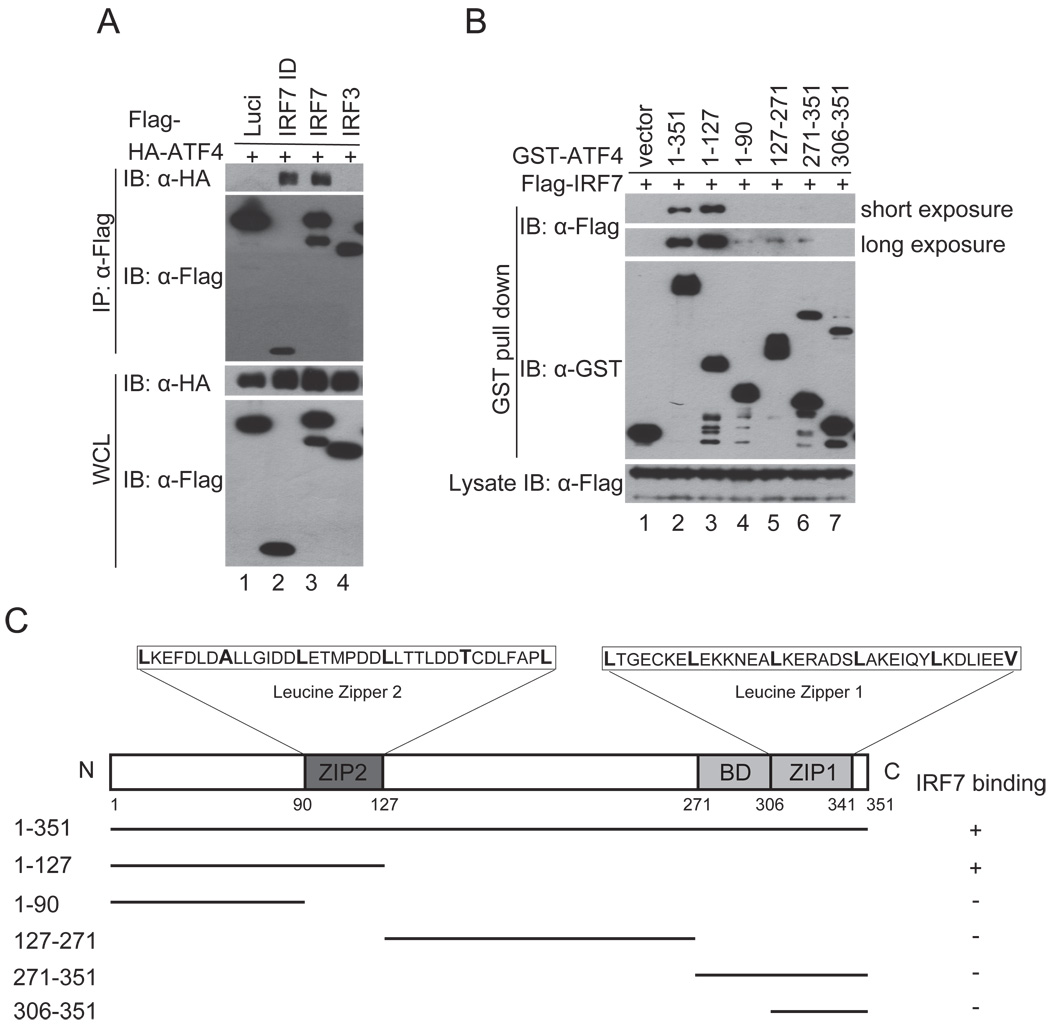
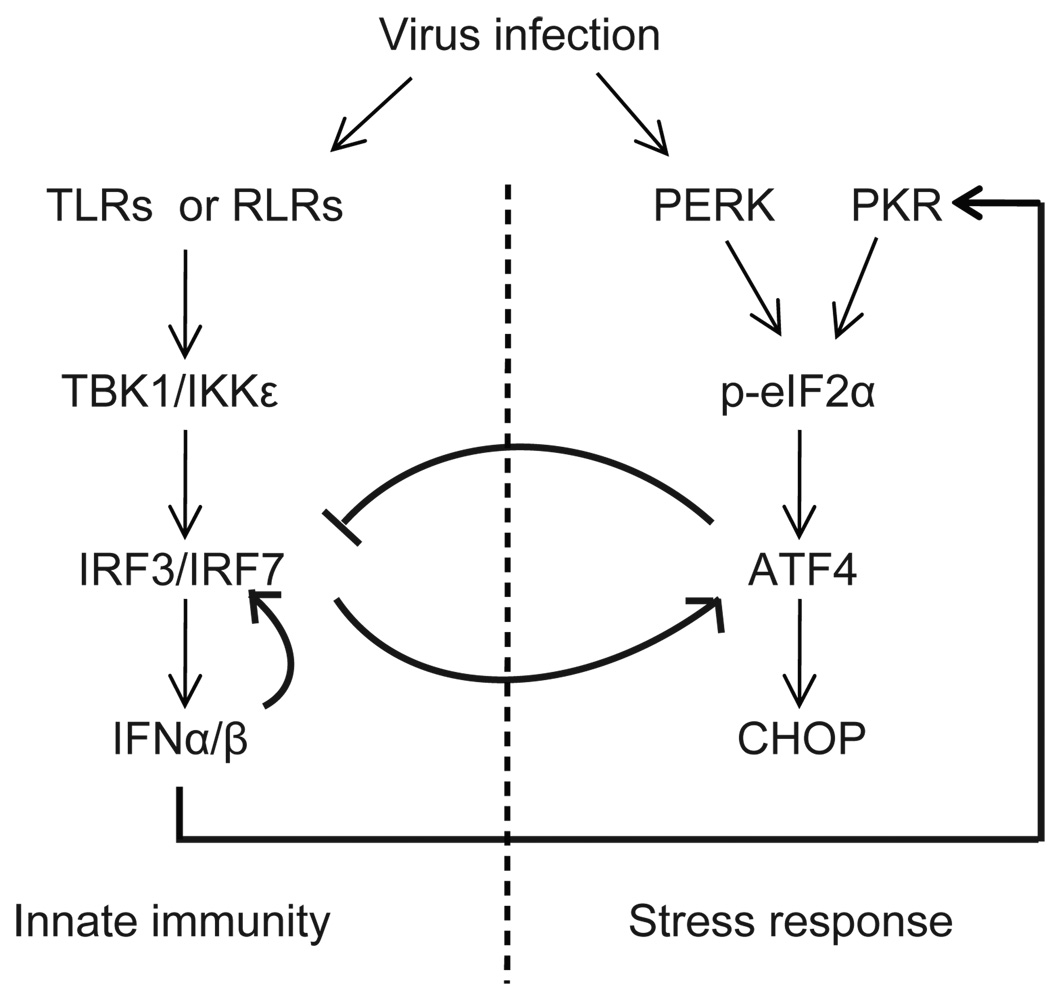
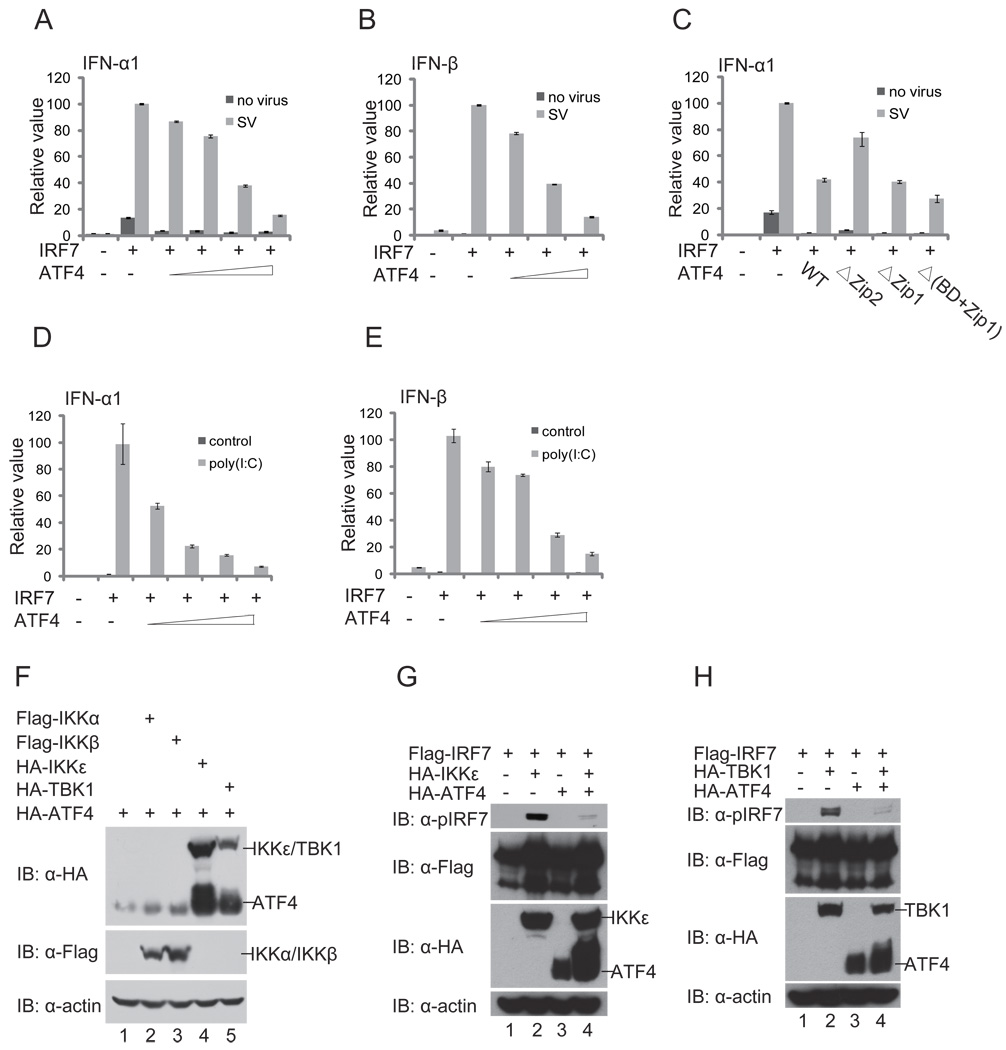
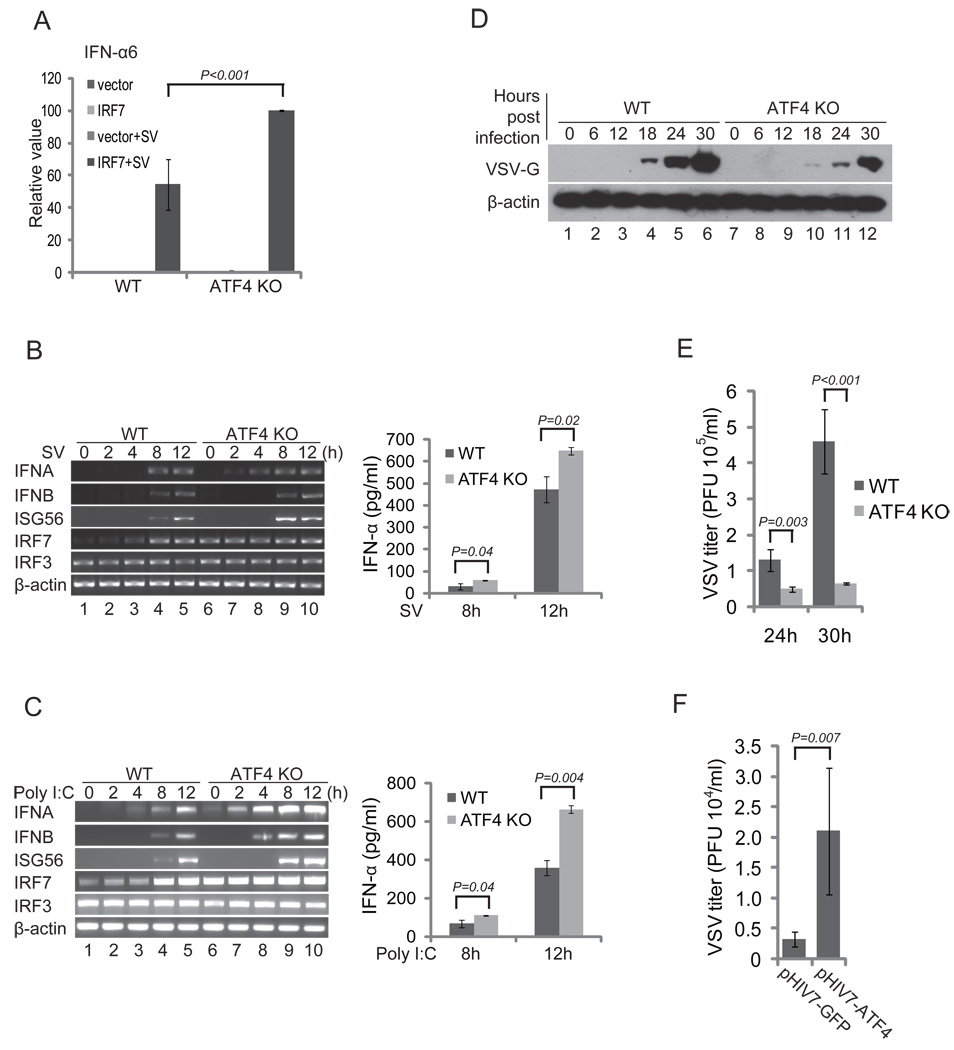
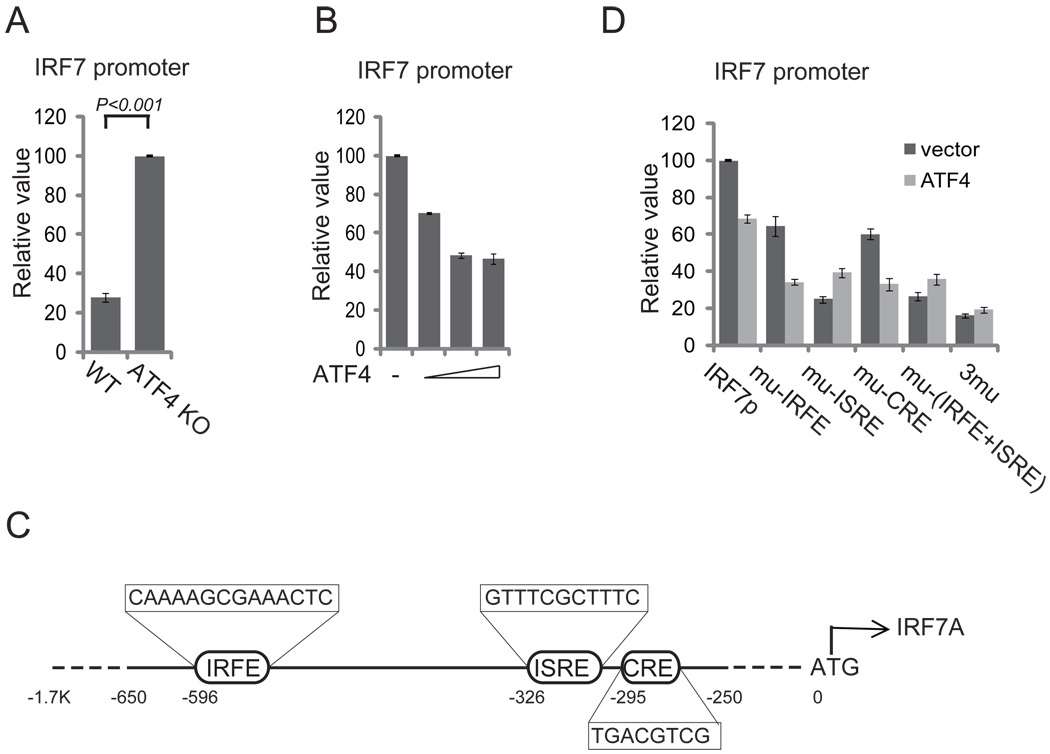
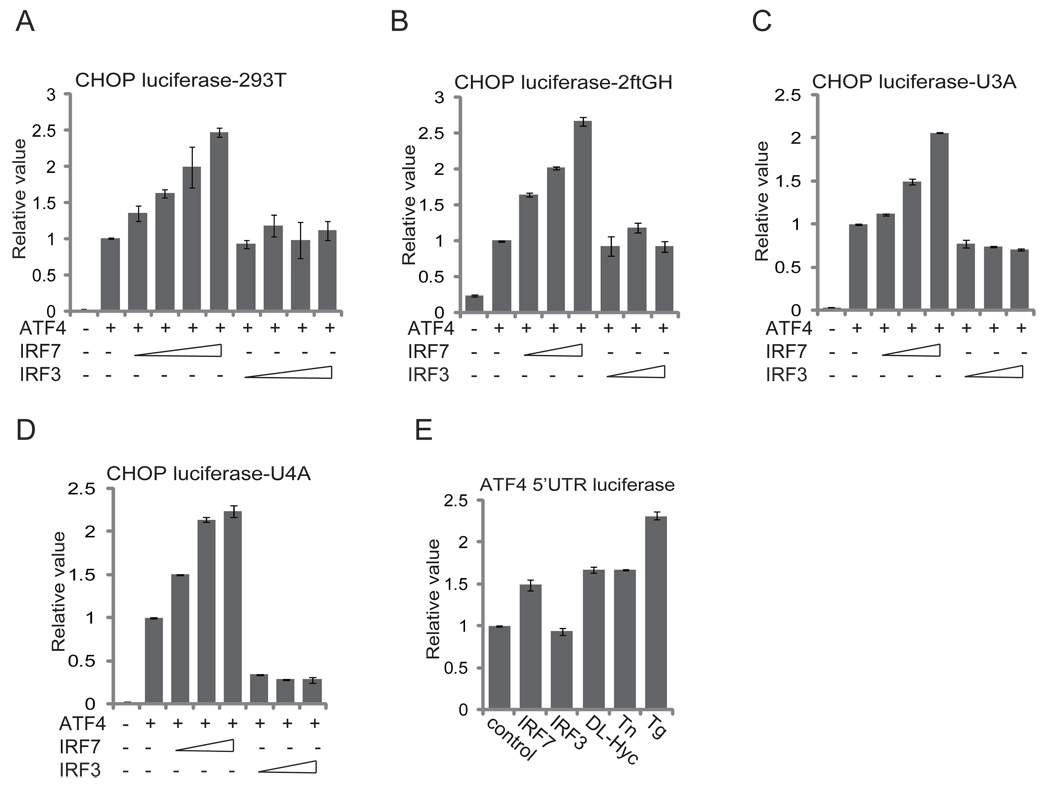
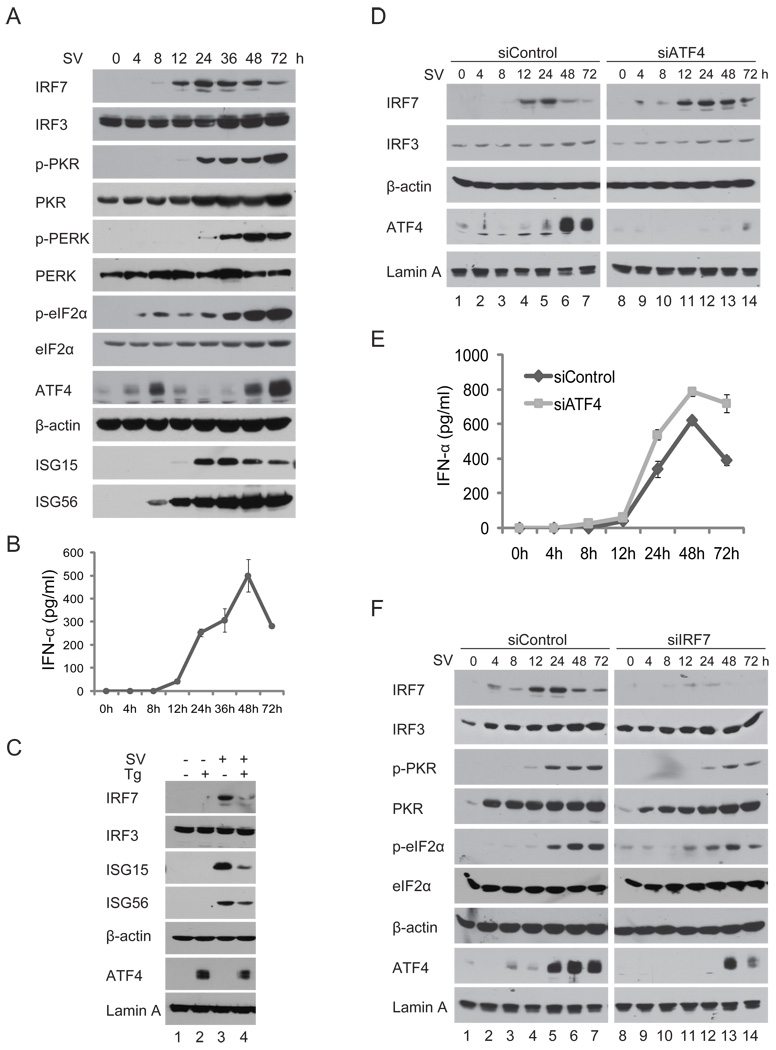
Cells react to viral infection by exhibiting IFN-based innate immune responses and integrated stress responses, but little is known about the interrelationships between the two. In this study, we report a linkage between these two host-protective cellular mechanisms. We found that IFN regulatory factor (IRF)7, the master regulator of type I IFN gene expression, interacts with activating transcription factor (ATF)4, a key component of the integrated stress responses whose translation is induced by viral infection and various stresses. We have demonstrated that IRF7 upregulates ATF4 activity and expression, whereas ATF4 in return inhibits IRF7 activation, suggesting a cross-regulation between the IFN response and the cellular integrated stress response that controls host innate immune defense against viral infection.
细胞通过表现出基于 IFN 的先天免疫反应和整合应激反应来对病毒感染作出反应,但人们对这两者之间的关系知之甚少。在这项研究中,我们报告了这两种宿主保护细胞机制之间的联系。我们发现,I 型 IFN 基因表达的主调控因子干扰素调节因子 (IRF)7 与激活转录因子 (ATF)4 相互作用,ATF4 是整合应激反应的关键组成部分,其翻译是由病毒感染和各种应激诱导的。我们已经证明,IRF7 上调 ATF4 的活性和表达,而 ATF4 反过来抑制 IRF7 的激活,这表明 IFN 反应和细胞整合应激反应之间存在交叉调控,这种调控控制着宿主对病毒感染的先天免疫防御。