Maxfield Molly, Solomon Sheldon, Pyszczynski Tom, Greenberg Jeff
Psychology Department, University of Colorado at Colorado Springs, 1420 Austin Bluffs Pkwy, Colorado Springs, CO 80918-7150, USA.
J Aging Res. 2010 Nov 29;2010:260123. doi: 10.4061/2010/260123.
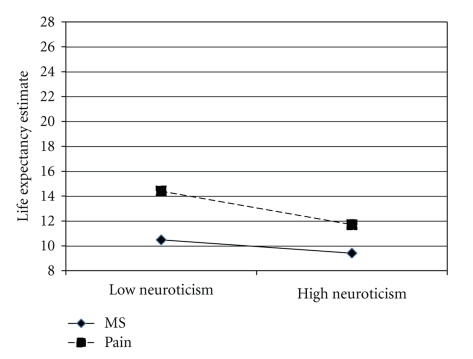
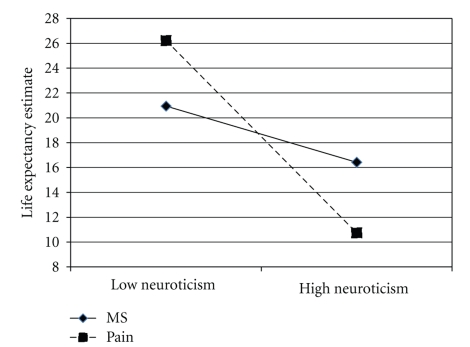
Research has shown that reminders of mortality lead people to engage in defenses to minimize the anxiety such thoughts could arouse. In accord with this notion, younger adults reminded of mortality engage in behaviors aimed at denying vulnerability to death. However, little is known about the effects of mortality reminders on older adults. The present study examined the effect of reminders of death on older adults' subjective life expectancy. Mortality reminders did not significantly impact the life expectancy estimates of old-old adults. Reminders of death did however lead to shorter life expectancy estimates among young-old participants low in neuroticism but longer life expectancy estimates among young-old participants high in neuroticism, suggesting that this group was most defensive in response to reminders of death.
研究表明,对死亡的提醒会促使人们进行防御,以尽量减少此类想法可能引发的焦虑。根据这一观点,被提醒死亡的年轻人会采取旨在否认自身易受死亡影响的行为。然而,对于死亡提醒对老年人的影响却知之甚少。本研究考察了死亡提醒对老年人主观预期寿命的影响。死亡提醒对高龄老年人的预期寿命估计没有显著影响。然而,死亡提醒确实导致神经质得分低的年轻老年人的预期寿命估计缩短,而神经质得分高的年轻老年人的预期寿命估计延长,这表明该群体在面对死亡提醒时防御性最强。