Chen Shuyang, Sang Nianli
Department of Biology and Graduate Program of Biological Sciences, College of Arts & Sciences, Drexel University, 3141 Chestnut Street, Stratton Hall 318, Philadelphia, PA 19104, USA.
J Biomed Biotechnol. 2011;2011:197946. doi: 10.1155/2011/197946. Epub 2010 Dec 5.
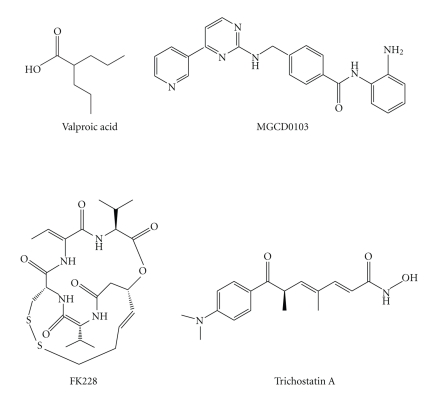
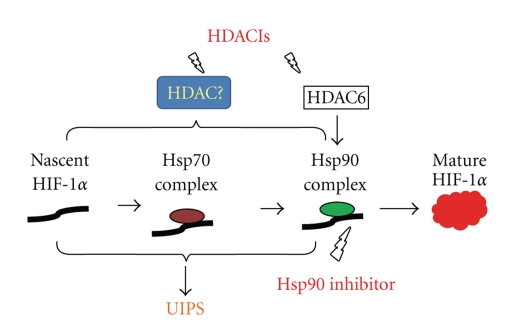
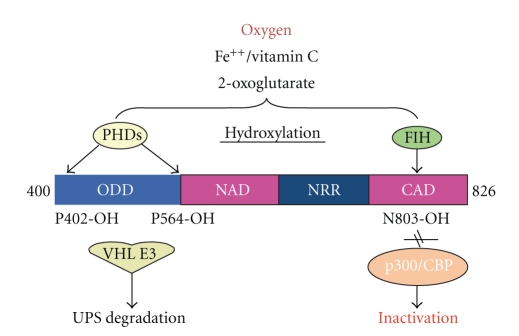
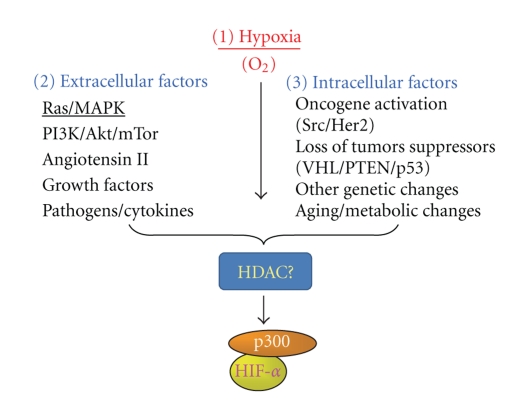
Histone deacetylase inhibitors (HDACIs) have been actively explored as a new generation of chemotherapeutics for cancers, generally known as epigenetic therapeutics. Recent findings indicate that several types of HDACIs repress angiogenesis, a process essential for tumor metabolism and progression. Accumulating evidence supports that this repression is mediated by disrupting the function of hypoxia-inducible factors (HIF-1, HIF-2, and collectively, HIF), which are the master regulators of angiogenesis and cellular adaptation to hypoxia. Since HIF also regulate glucose metabolism, cell survival, microenvironment remodeling, and other alterations commonly required for tumor progression, they are considered as novel targets for cancer chemotherapy. Though the precise biochemical mechanism underlying the HDACI-triggered repression of HIF function remains unclear, potential cellular factors that may link the inhibition of deacetylase activity to the repression of HIF function have been proposed. Here we review published data that inhibitors of type I/II HDACs repress HIF function by either reducing functional HIF-1α levels, or repressing HIF-α transactivation activity. In addition, underlying mechanisms and potential proteins involved in the repression will be discussed. A thorough understanding of HDACI-induced repression of HIF function may facilitate the development of future therapies to either repress or promote angiogenesis for cancer or chronic ischemic disorders, respectively.
组蛋白去乙酰化酶抑制剂(HDACIs)已被积极探索作为新一代癌症化疗药物,通常被称为表观遗传疗法。最近的研究结果表明,几种类型的HDACIs可抑制血管生成,这是肿瘤代谢和进展所必需的过程。越来越多的证据支持这种抑制作用是通过破坏缺氧诱导因子(HIF-1、HIF-2以及统称为HIF)的功能介导的,缺氧诱导因子是血管生成和细胞对缺氧适应的主要调节因子。由于HIF还调节葡萄糖代谢、细胞存活、微环境重塑以及肿瘤进展通常所需的其他改变,因此它们被视为癌症化疗的新靶点。尽管HDACI引发的HIF功能抑制的确切生化机制仍不清楚,但已提出了可能将去乙酰化酶活性抑制与HIF功能抑制联系起来的潜在细胞因子。在这里,我们回顾已发表的数据,即I/II型HDACs抑制剂通过降低功能性HIF-1α水平或抑制HIF-α反式激活活性来抑制HIF功能。此外,还将讨论抑制作用的潜在机制和涉及的潜在蛋白质。深入了解HDACI诱导的HIF功能抑制可能分别有助于开发未来用于抑制或促进癌症或慢性缺血性疾病血管生成的疗法。