Wolf Yuri I, Nikolskaya Anastasia, Cherry Joshua L, Viboud Cecile, Koonin Eugene, Lipman David J
National Center for Biotechnology Information, National Library of Medicine, National Institutes of Health, Bethesda, MD 20894, USA; Fogarty International Center, National Institutes of Health, Bethesda, MD, USA and National Center for Biotechnology Information, National Library of Medicine, National Institutes of Health.
PLoS Curr. 2010 Dec 3;2:RRN1200. doi: 10.1371/currents.RRN1200.
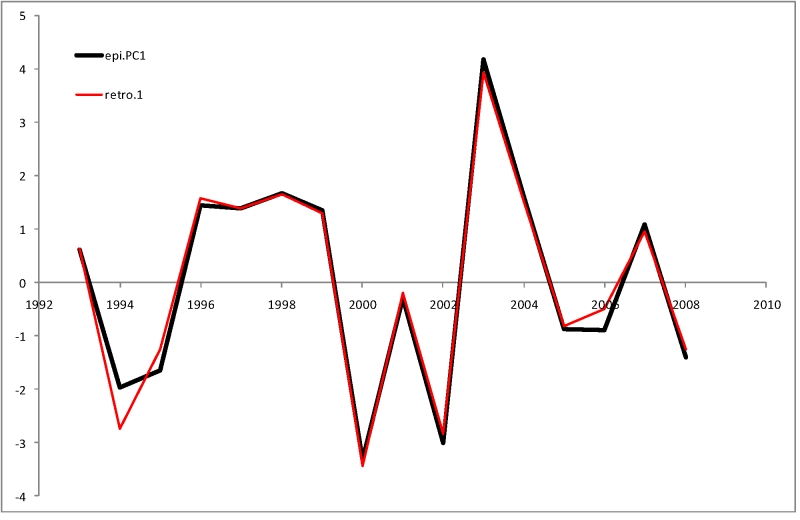
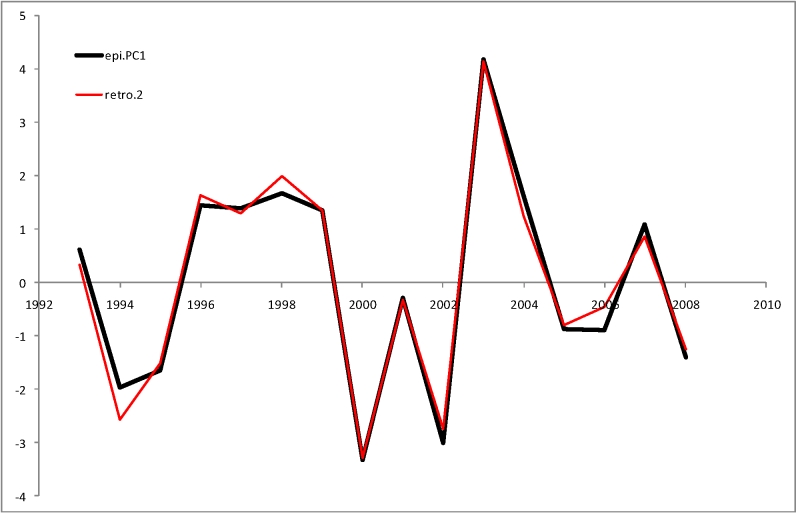
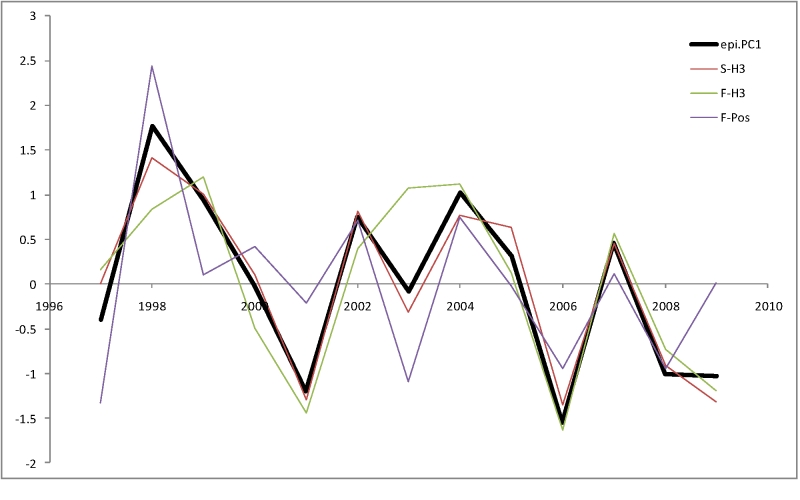
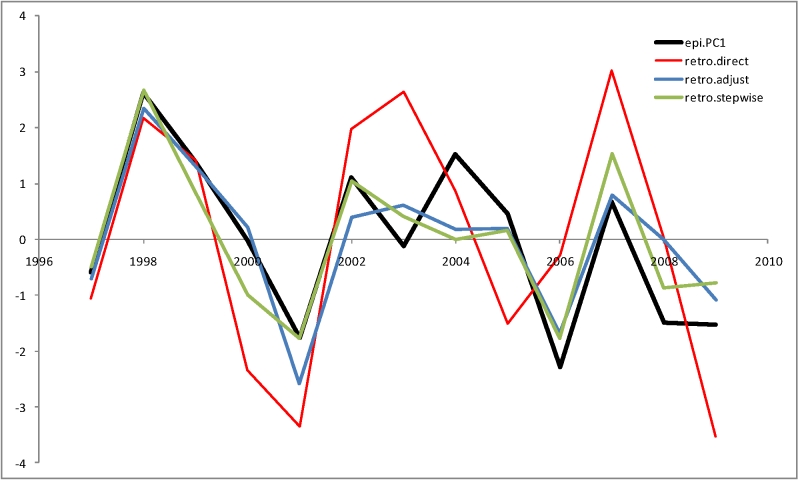
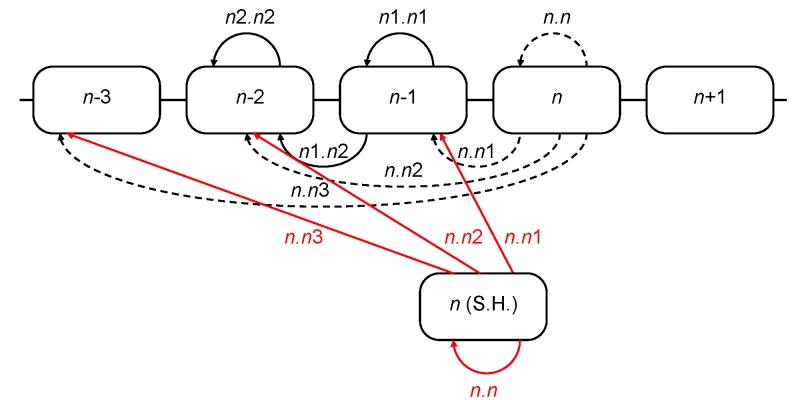
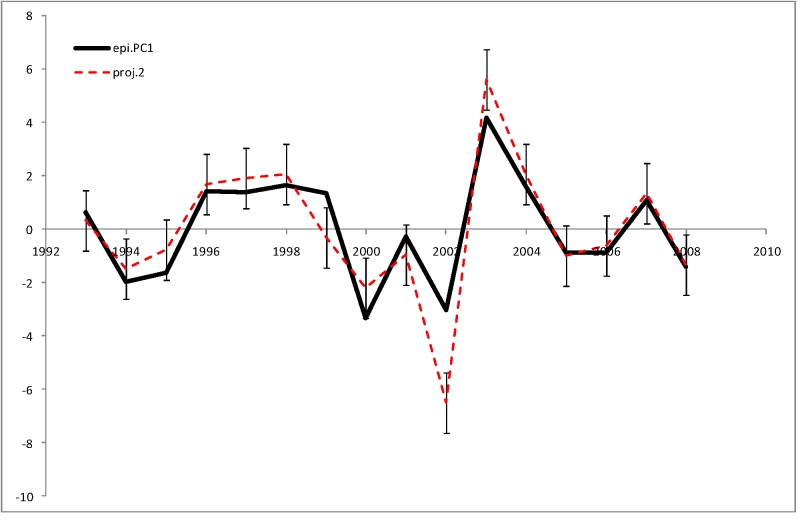
Severity of seasonal influenza A epidemics is related to the antigenic novelty of the predominant viral strains circulating each year. Support for a strong correlation between epidemic severity and antigenic drift comes from infectious challenge experiments on vaccinated animals and human volunteers, field studies of vaccine efficacy, prospective studies of subjects with laboratory-confirmed prior infections, and analysis of the connection between drift and severity from surveillance data. We show that, given data on the antigenic and sequence novelty of the hemagglutinin protein of clinical isolates of H3N2 virus from a season along with the corresponding data from prior seasons, we can accurately predict the influenza severity for that season. This model therefore provides a framework for making projections of the severity of the upcoming season using assumptions based on viral isolates collected in the current season. Our results based on two independent data sets from the US and Hong Kong suggest that seasonal severity is largely determined by the novelty of the hemagglutinin protein although other factors, including mutations in other influenza genes, co-circulating pathogens and weather conditions, might also play a role. These results should be helpful for the control of seasonal influenza and have implications for improvement of influenza surveillance.
甲型季节性流感流行的严重程度与每年流行的主要病毒株的抗原新颖性有关。接种疫苗的动物和人类志愿者的感染挑战实验、疫苗效力的现场研究、实验室确诊的既往感染受试者的前瞻性研究以及基于监测数据对抗原漂移与严重程度之间联系的分析,均支持流行严重程度与抗原漂移之间存在强相关性。我们表明,给定一个季节中H3N2病毒临床分离株血凝素蛋白的抗原和序列新颖性数据以及前几个季节的相应数据,我们就能准确预测该季节的流感严重程度。因此,该模型提供了一个框架,可基于当前季节收集的病毒分离株所做的假设,对即将到来季节的严重程度进行预测。我们基于来自美国和香港的两个独立数据集得出的结果表明,季节性严重程度在很大程度上由血凝素蛋白的新颖性决定,不过其他因素,包括其他流感基因的突变、共同流行的病原体和天气状况,可能也起作用。这些结果应有助于季节性流感的防控,并对改进流感监测具有启示意义。