Division of Experimental Medicine, Department of Medicine, University of California, San Francisco, CA 94143-1234, USA.
Science. 2010 Dec 17;330(6011):1695-9. doi: 10.1126/science.1196509.
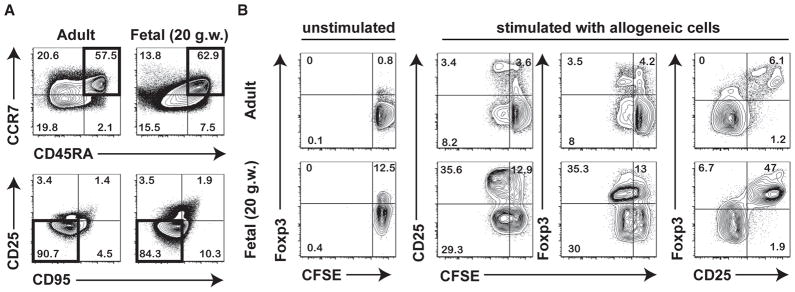
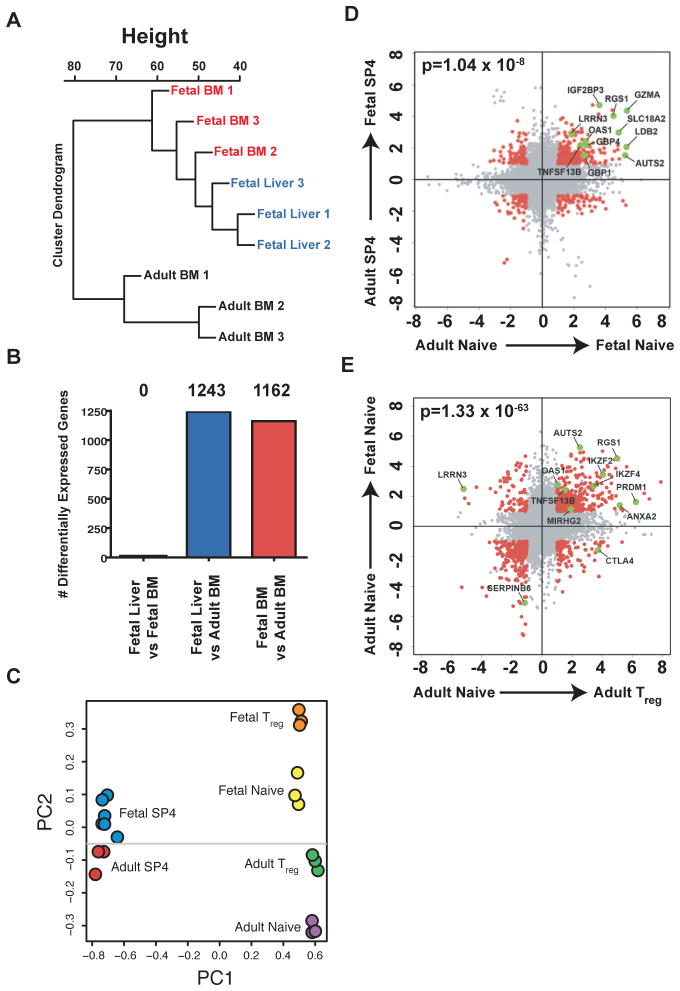
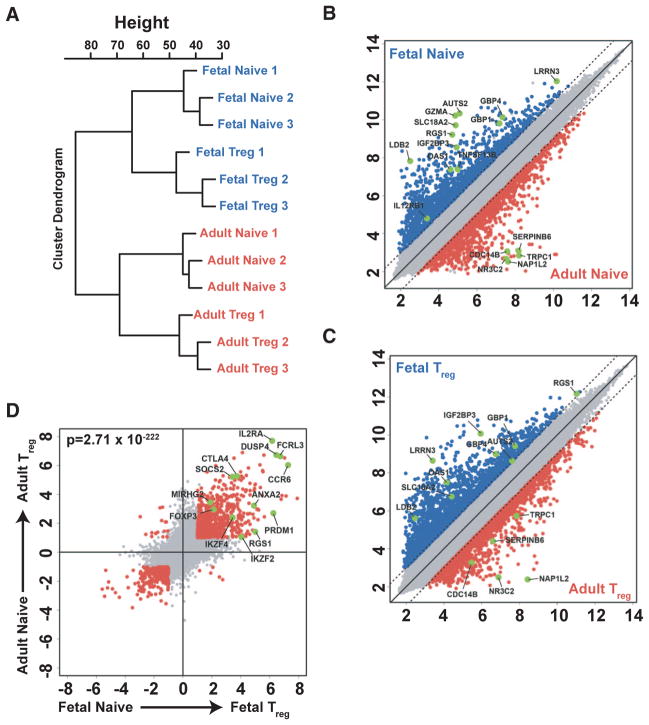
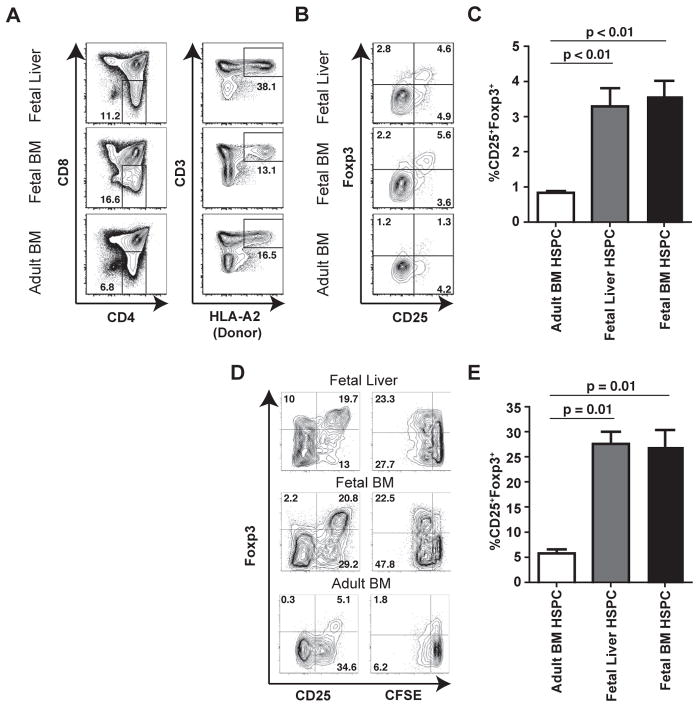
Although the mammalian immune system is generally thought to develop in a linear fashion, findings in avian and murine species argue instead for the developmentally ordered appearance (or "layering") of distinct hematopoietic stem cells (HSCs) that give rise to distinct lymphocyte lineages at different stages of development. Here we provide evidence of an analogous layered immune system in humans. Our results suggest that fetal and adult T cells are distinct populations that arise from different populations of HSCs that are present at different stages of development. We also provide evidence that the fetal T cell lineage is biased toward immune tolerance. These observations offer a mechanistic explanation for the tolerogenic properties of the developing fetus and for variable degrees of immune responsiveness at birth.
尽管人们普遍认为哺乳动物的免疫系统是线性发育的,但鸟类和鼠类的研究结果却表明,不同的造血干细胞(HSCs)是按照发育顺序出现的(或“分层出现”),这些 HSCs 在不同的发育阶段产生不同的淋巴细胞谱系。在这里,我们提供了人类存在类似分层免疫系统的证据。我们的研究结果表明,胎儿和成人 T 细胞是不同的群体,它们起源于不同阶段发育的不同 HSCs 群体。我们还提供了证据表明,胎儿 T 细胞谱系偏向于免疫耐受。这些观察结果为发育中的胎儿的免疫耐受特性以及出生时不同程度的免疫反应提供了机制解释。