Berenson-Allen Center for Noninvasive Brain Stimulation, Department of Neurology, Beth Israel Deaconess Medical Center, Harvard Medical School, Spaulding Rehabilitation Hospital, Boston, MA 02215, USA.
PM R. 2010 Dec;2(12 Suppl 2):S253-68. doi: 10.1016/j.pmrj.2010.10.015.
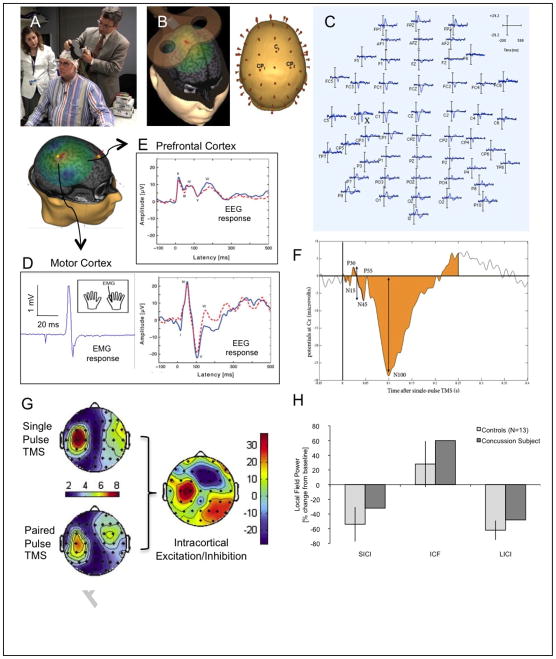
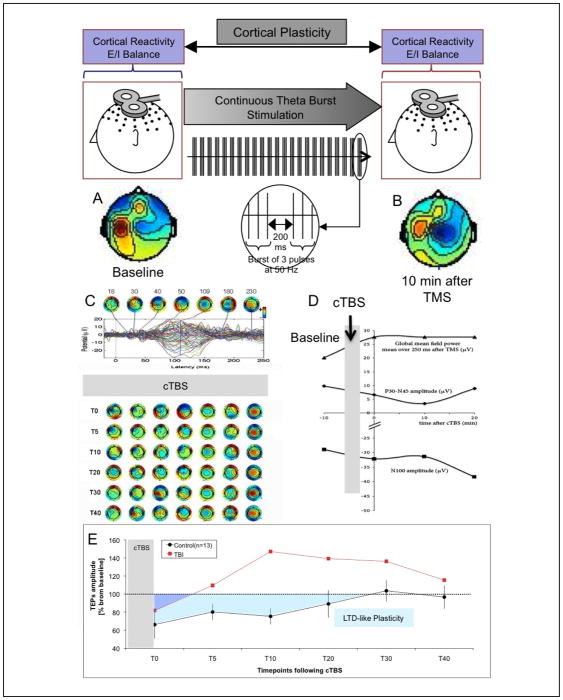
Despite intensive efforts to improve outcomes after acquired brain injury, functional recovery is often limited. One reason for this limitation is the challenge in assessing and guiding plasticity after brain injury. In this context, transcranial magnetic stimulation (TMS), a noninvasive tool of brain stimulation, could play a major role. TMS has been shown to be a reliable tool for measuring plastic changes in the motor cortex associated with interventions in the motor system, such as motor training and motor cortex stimulation. In addition, as illustrated by the experience in promoting recovery from stroke, TMS is a promising therapeutic tool to minimize motor, speech, cognitive, and mood deficits. In this review, we will focus on stroke to discuss how TMS can provide insights into the mechanisms of neurologic recovery and how it can be used for measurement and modulation of plasticity after an acquired brain insult.
尽管人们为改善后天性脑损伤后的治疗效果付出了巨大努力,但功能恢复通常仍受到限制。造成这种限制的一个原因是,评估和指导脑损伤后的可塑性存在困难。在这种情况下,经颅磁刺激(TMS)作为一种非侵入性的脑刺激工具,可能发挥重要作用。研究表明,TMS 是一种可靠的工具,可用于测量与运动系统干预(如运动训练和运动皮层刺激)相关的运动皮层中的可塑性变化。此外,如促进中风康复的经验所示,TMS 是一种有前途的治疗工具,可以最大限度地减少运动、言语、认知和情绪缺陷。在这篇综述中,我们将重点讨论中风,以探讨 TMS 如何提供对神经恢复机制的深入了解,以及如何将其用于后天性脑损伤后可塑性的测量和调节。