Brace Christopher L
Department of Radiology, University of Wisconsin, Madison, WI 53705, USA.
Crit Rev Biomed Eng. 2010;38(1):65-78. doi: 10.1615/critrevbiomedeng.v38.i1.60.
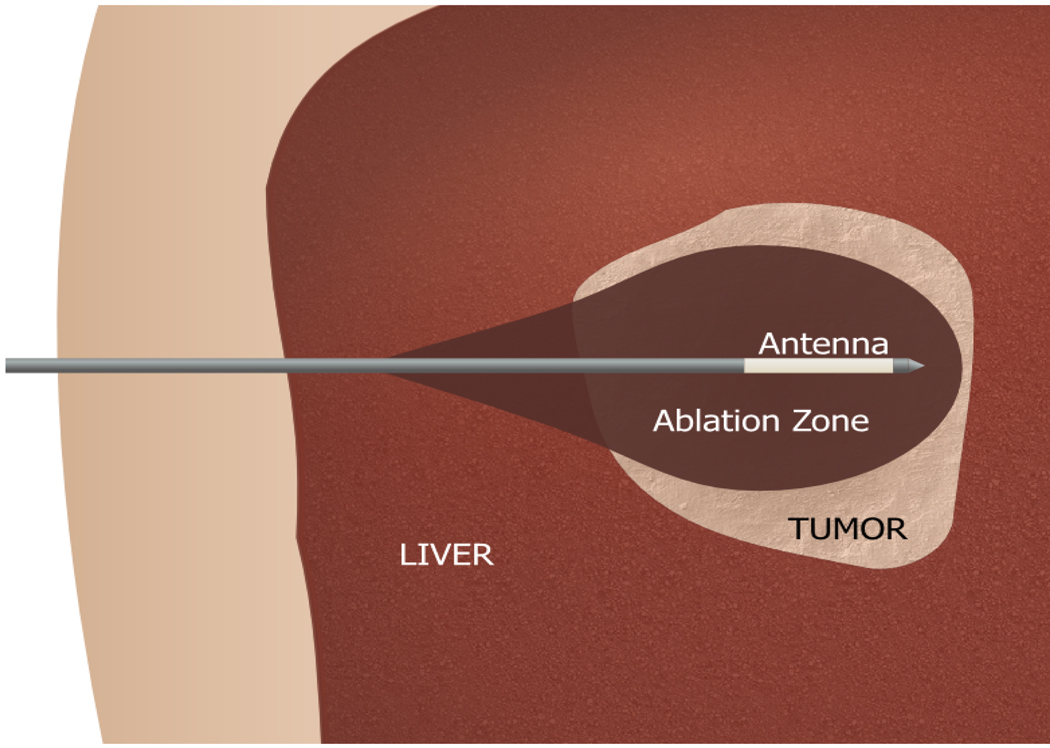
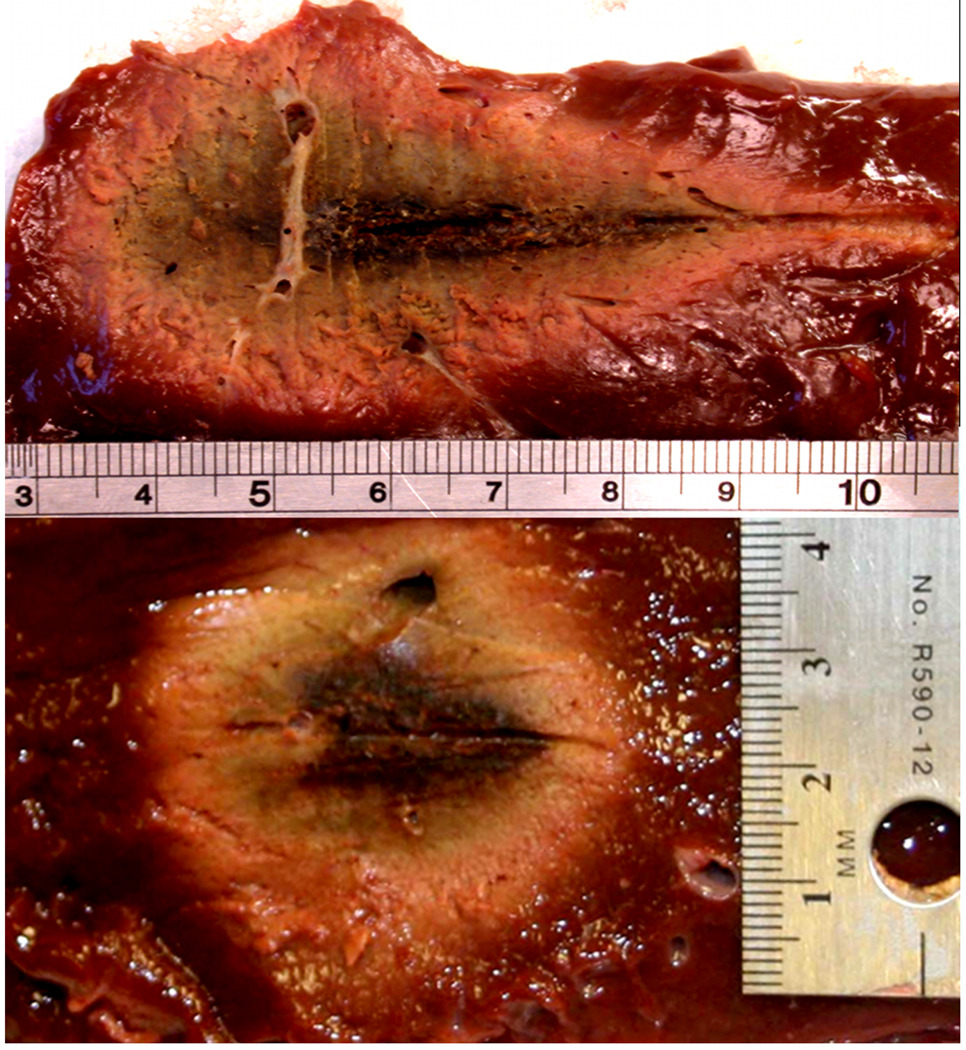
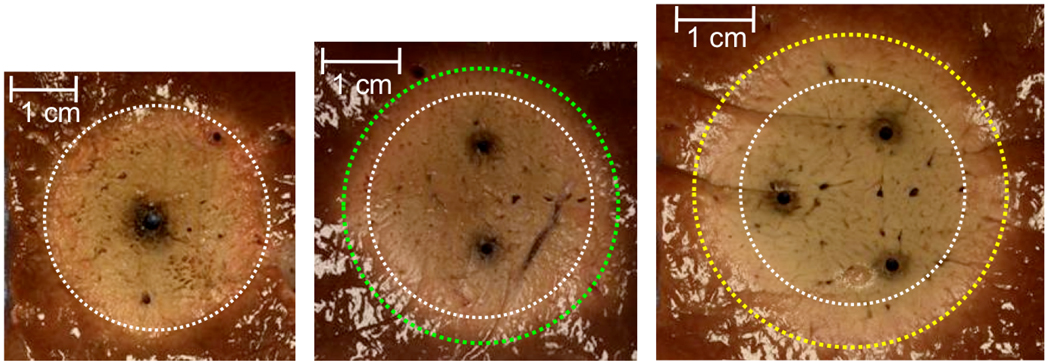
Microwave ablation is an emerging treatment option for many cancers, cardiac arrhythmias, and other medical conditions. During treatment, microwaves are applied directly to tissues to produce rapid temperature elevations sufficient to produce immediate coagulative necrosis. The engineering design criteria for each application differ, with individual consideration for factors such as desired ablation zone size, treatment duration, and procedural invasiveness. Recent technological developments in applicator cooling, power control, and system optimization for specific applications promise to increase the utilization of microwave ablation in the future. This article reviews the basic biophysics of microwave tissue heating, provides an overview of the design and operation of current equipment, and outlines areas for future research.
微波消融是许多癌症、心律失常及其他病症的一种新兴治疗选择。在治疗过程中,微波直接作用于组织,使温度迅速升高,足以立即产生凝固性坏死。每种应用的工程设计标准各不相同,需单独考虑诸如所需消融区大小、治疗持续时间和手术侵入性等因素。近期在 applicator 冷却、功率控制及针对特定应用的系统优化方面的技术发展,有望在未来提高微波消融的利用率。本文回顾了微波组织加热的基本生物物理学,概述了当前设备的设计与操作,并概述了未来的研究领域。