Tumor Virus RNA Biology Laboratory, HIV and AIDS Malignancy Branch, Center for Cancer Research, National Cancer Institute, National Institutes of Health, Bethesda, MD, USA.
Int J Biol Sci. 2010 Dec 15;6(7):806-26. doi: 10.7150/ijbs.6.806.
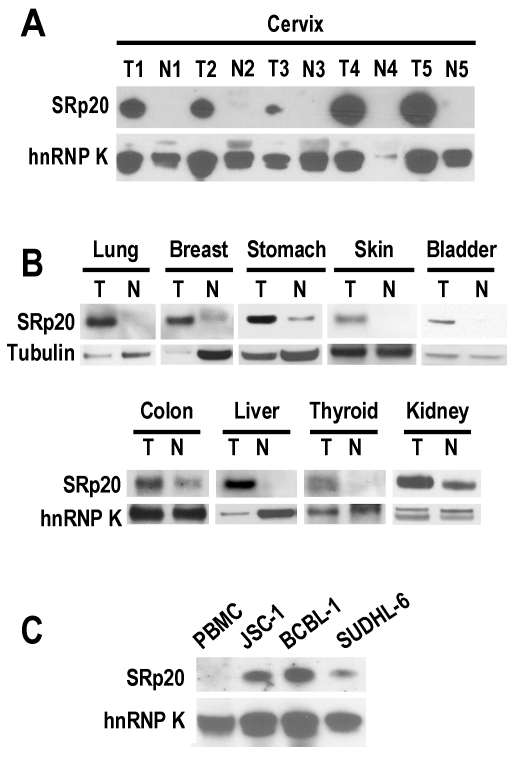
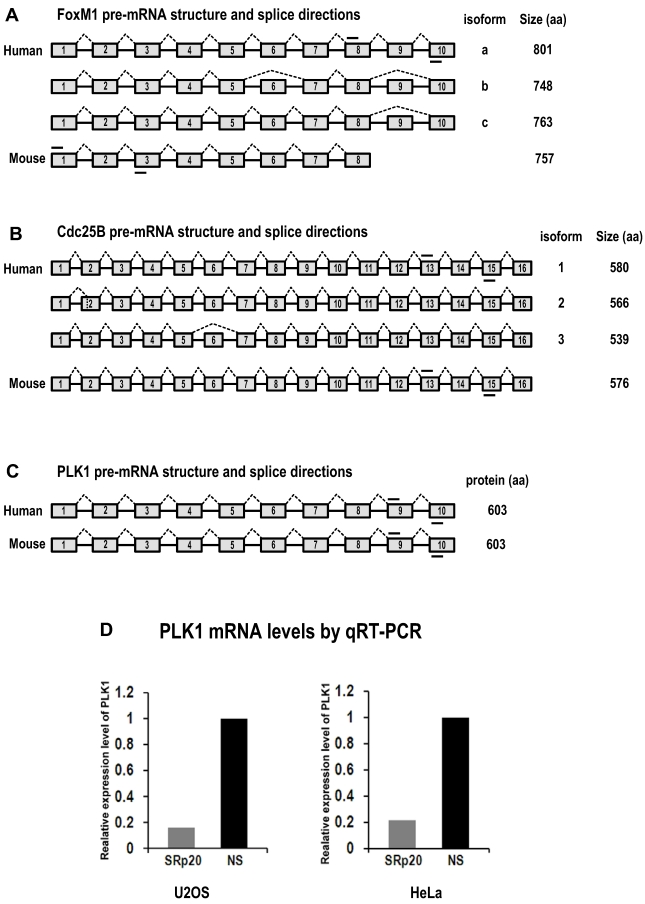
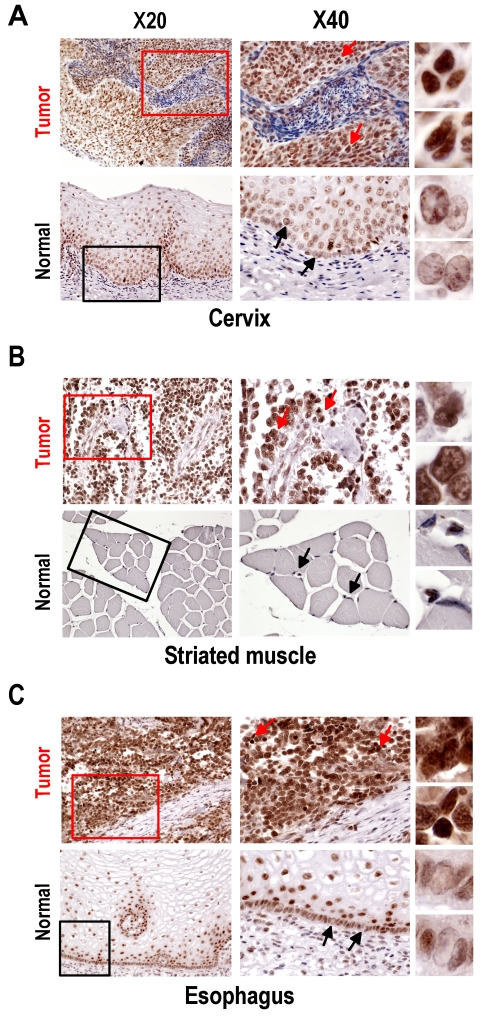
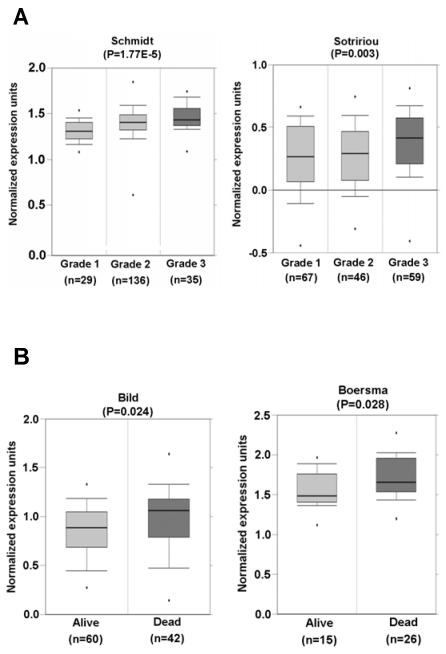
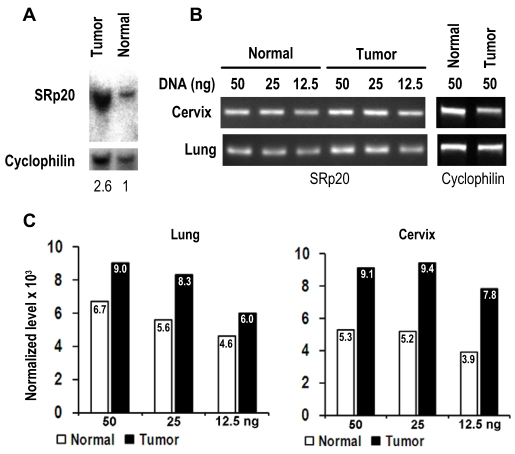
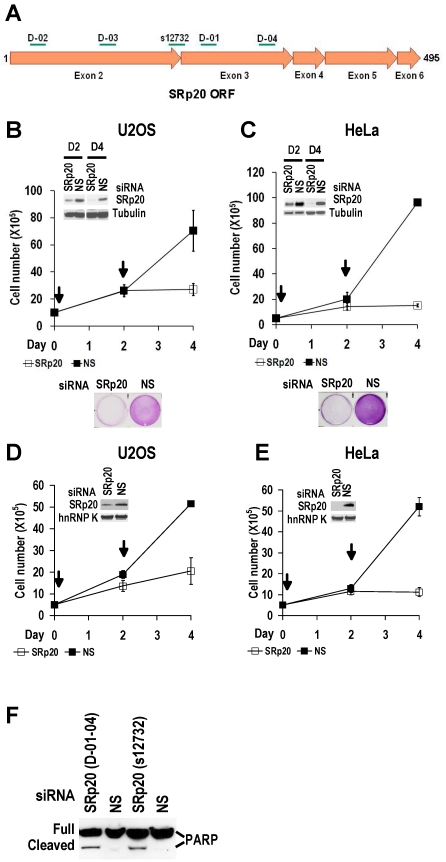
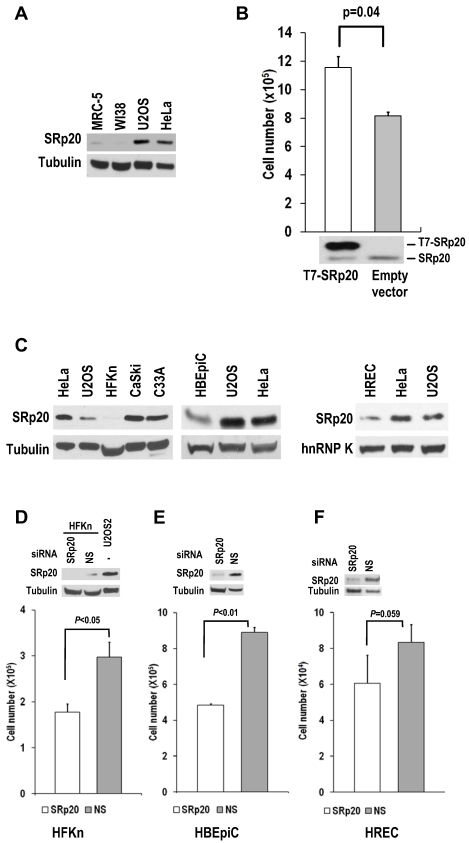
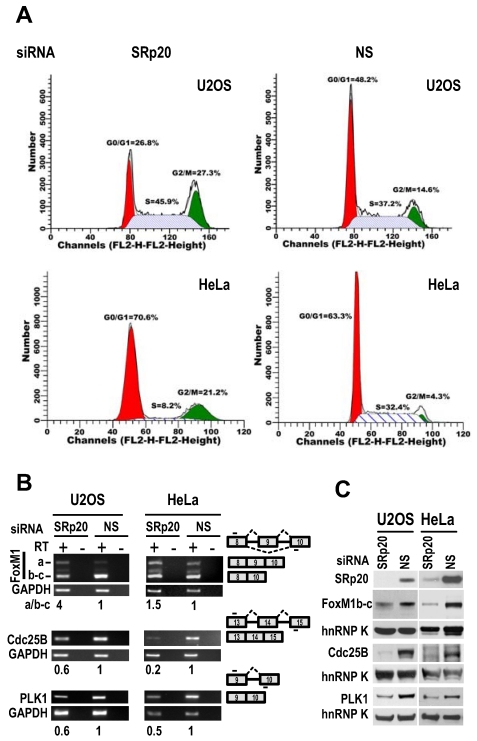
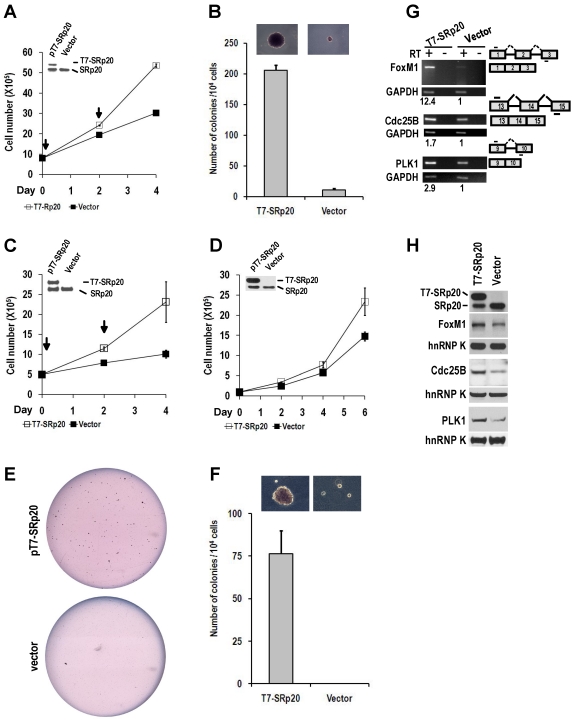
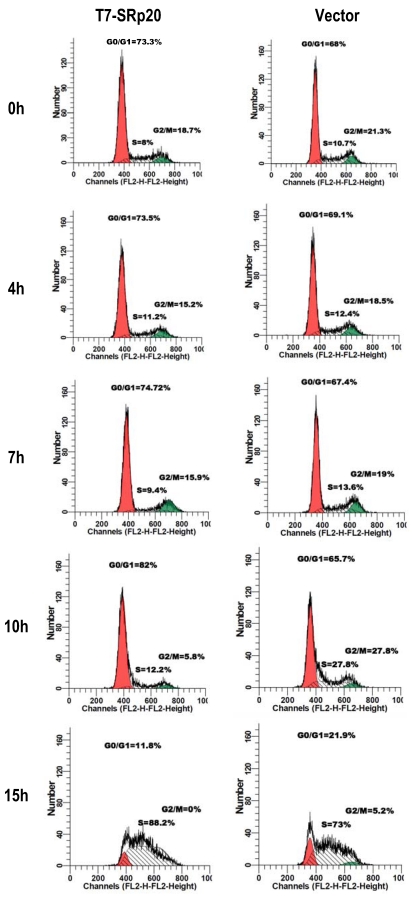
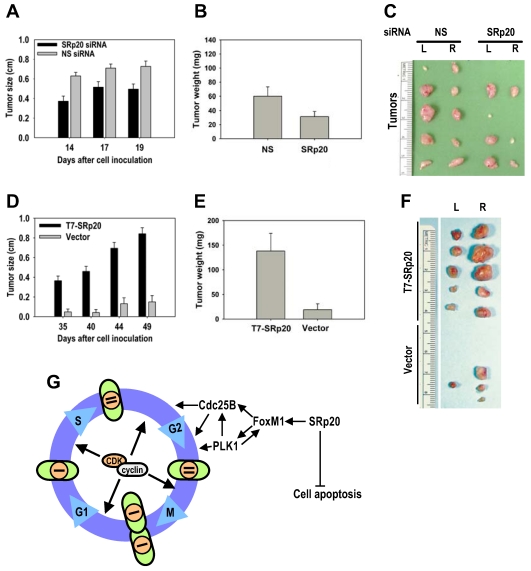
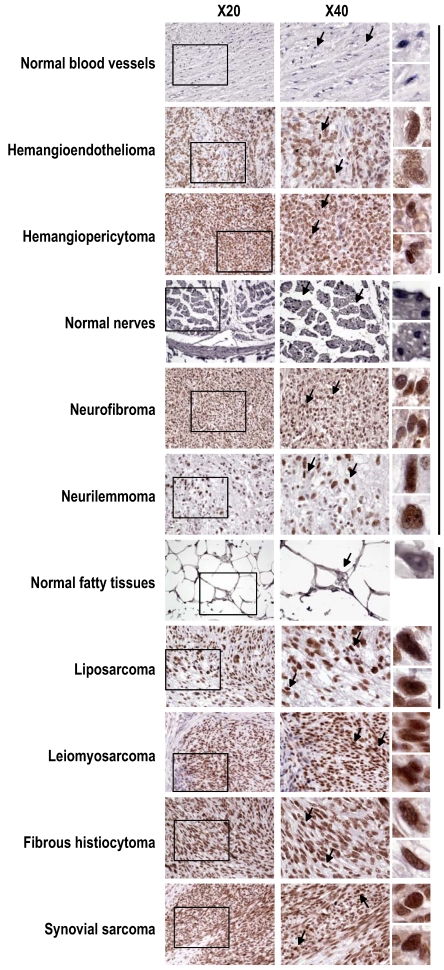
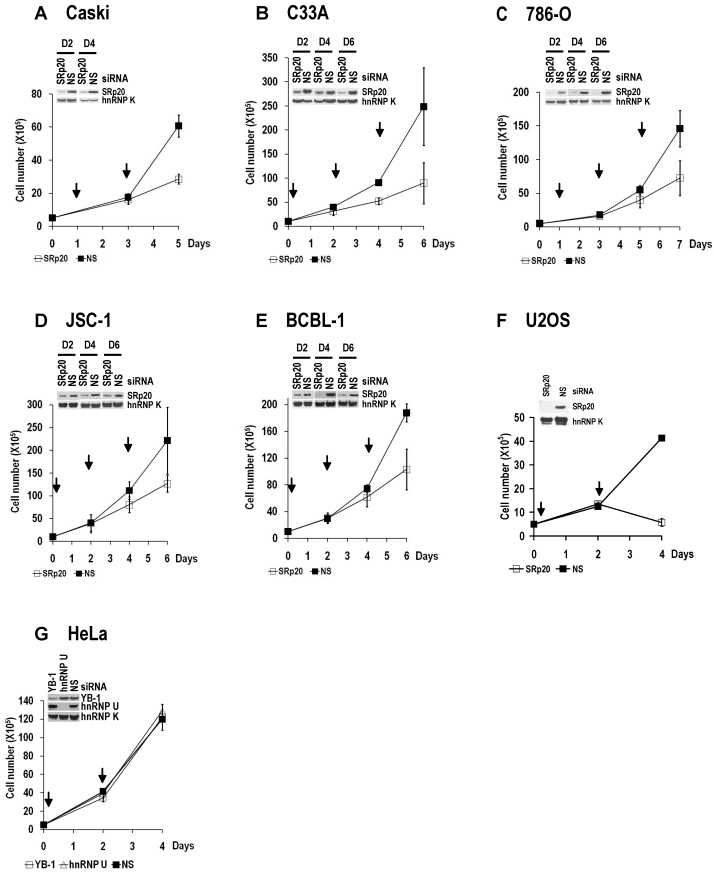
Tumor cells display a different profile of gene expression than their normal counterparts. Perturbations in the levels of cellular splicing factors can alter gene expression, potentially leading to tumorigenesis. We found that splicing factor SRp20 (SFRS3) is highly expressed in cancers. SRp20 regulated the expression of Forkhead box transcription factor M1 (FoxM1) and two of its transcriptional targets, PLK1 and Cdc25B, and controlled cell cycle progression and proliferation. Cancer cells with RNAi-mediated reduction of SRp20 expression exhibited G2/M arrest, growth retardation, and apoptosis. Increased SRp20 expression in rodent fibroblasts promoted immortal cell growth and transformation. More importantly, we found that SRp20 promoted tumor induction and the maintenance of tumor growth in nude mice and rendered immortal rodent fibroblasts tumorigenic. Collectively, these results suggest that increased SRp20 expression in tumor cells is a critical step for tumor initiation, progression, and maintenance.
肿瘤细胞的基因表达谱与正常细胞不同。细胞剪接因子水平的改变会影响基因表达,从而可能导致肿瘤发生。我们发现剪接因子 SRp20(SFRS3)在癌症中高度表达。SRp20 调节 Forkhead box 转录因子 M1(FoxM1)及其两个转录靶点 PLK1 和 Cdc25B 的表达,并控制细胞周期进程和增殖。用 RNAi 介导的 SRp20 表达降低会导致癌细胞 G2/M 期阻滞、生长迟缓和凋亡。在啮齿动物成纤维细胞中增加 SRp20 表达会促进永生化细胞生长和转化。更重要的是,我们发现 SRp20 促进了裸鼠肿瘤的诱导和生长,并使永生化啮齿动物成纤维细胞具有致瘤性。总之,这些结果表明,肿瘤细胞中 SRp20 表达的增加是肿瘤起始、进展和维持的关键步骤。