Translational Medicine and Therapeutics, William Harvey Research Institute, Bart's and the London, Queen Mary University of London, Charterhouse Square, London EC1M 6BQ, UK.
Respir Res. 2011 Jan 14;12(1):10. doi: 10.1186/1465-9921-12-10.
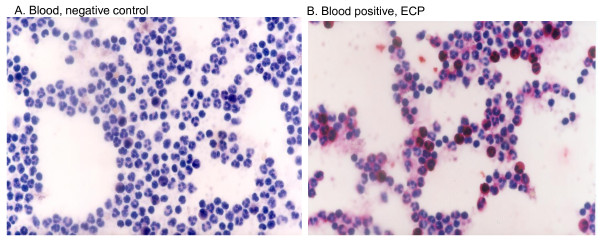
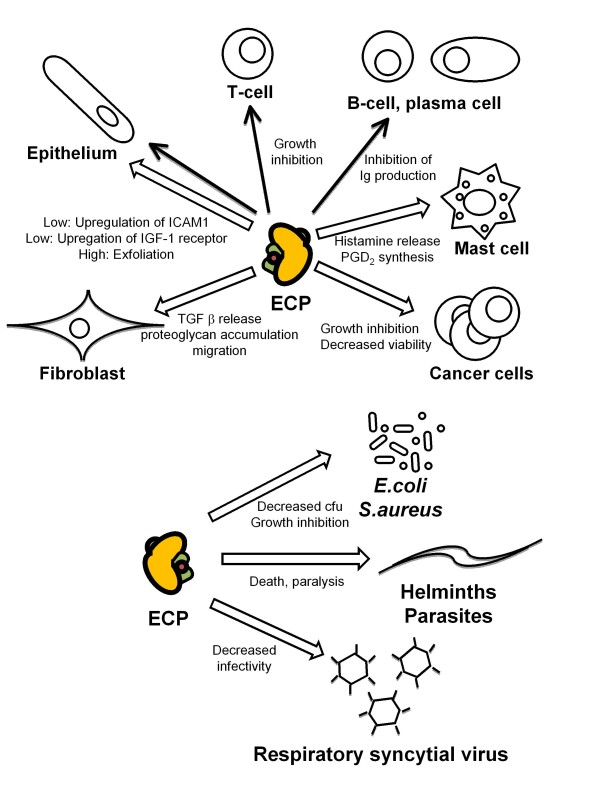
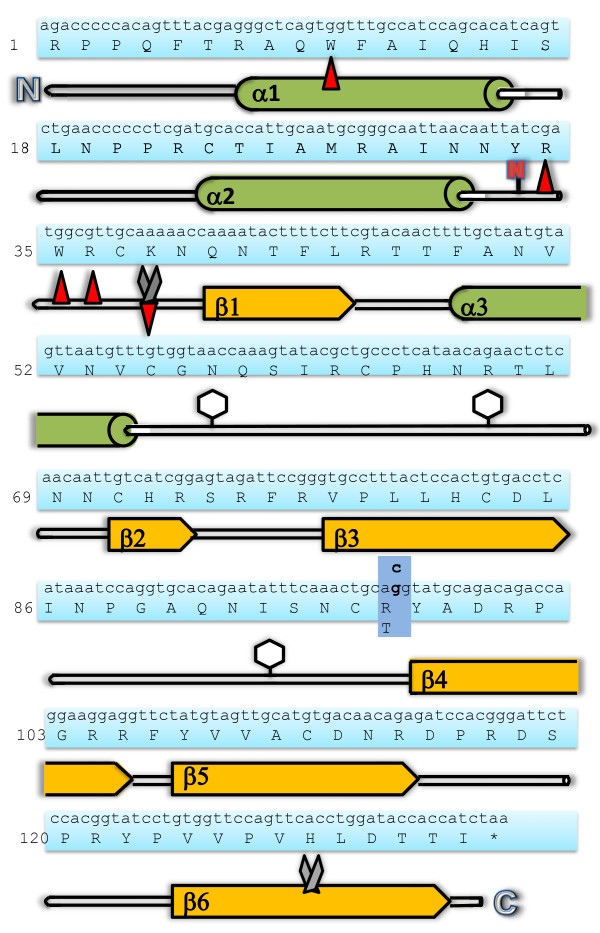
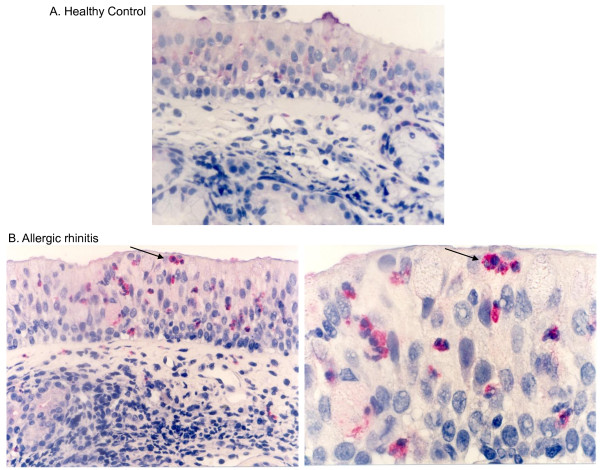
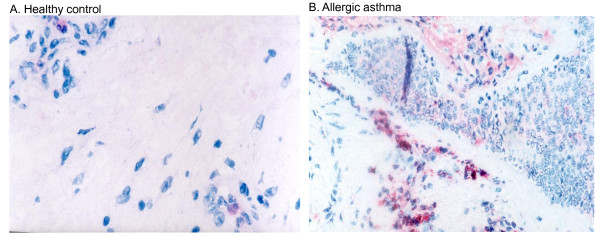
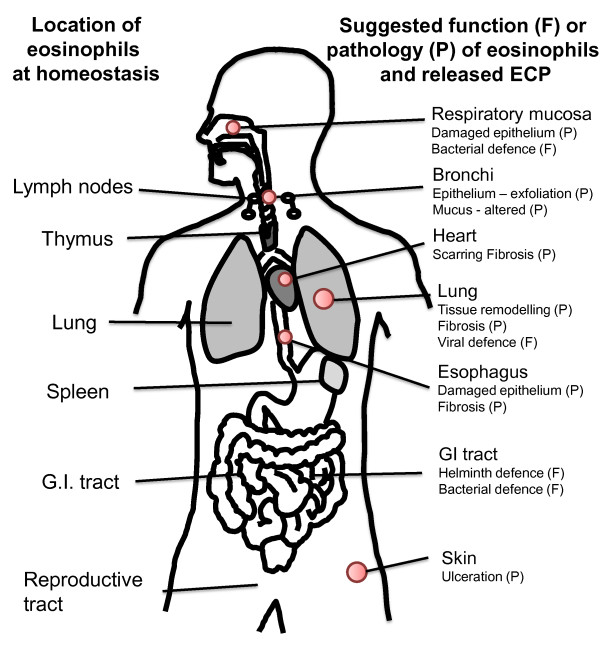
Eosinophil granulocytes reside in respiratory mucosa including lungs, in the gastro-intestinal tract, and in lymphocyte associated organs, the thymus, lymph nodes and the spleen. In parasitic infections, atopic diseases such as atopic dermatitis and asthma, the numbers of the circulating eosinophils are frequently elevated. In conditions such as Hypereosinophilic Syndrome (HES) circulating eosinophil levels are even further raised. Although, eosinophils were identified more than hundred years ago, their roles in homeostasis and in disease still remain unclear. The most prominent feature of the eosinophils are their large secondary granules, each containing four basic proteins, the best known being the eosinophil cationic protein (ECP). This protein has been developed as a marker for eosinophilic disease and quantified in biological fluids including serum, bronchoalveolar lavage and nasal secretions. Elevated ECP levels are found in T helper lymphocyte type 2 (atopic) diseases such as allergic asthma and allergic rhinitis but also occasionally in other diseases such as bacterial sinusitis. ECP is a ribonuclease which has been attributed with cytotoxic, neurotoxic, fibrosis promoting and immune-regulatory functions. ECP regulates mucosal and immune cells and may directly act against helminth, bacterial and viral infections. The levels of ECP measured in disease in combination with the catalogue of known functions of the protein and its polymorphisms presented here will build a foundation for further speculations of the role of ECP, and ultimately the role of the eosinophil.
嗜酸性粒细胞存在于呼吸道黏膜(包括肺部)、胃肠道以及与淋巴细胞相关的器官(如胸腺、淋巴结和脾脏)中。在寄生虫感染、特应性疾病(如特应性皮炎和哮喘)中,循环嗜酸性粒细胞的数量常常升高。在嗜酸性粒细胞增多综合征(HES)等情况下,循环嗜酸性粒细胞水平甚至进一步升高。尽管嗜酸性粒细胞在一百多年前就被发现了,但它们在维持体内平衡和疾病中的作用仍不清楚。嗜酸性粒细胞最显著的特征是其大型次级颗粒,每个颗粒包含四种碱性蛋白,其中最著名的是嗜酸性粒细胞阳离子蛋白(ECP)。这种蛋白已被开发为嗜酸性粒细胞疾病的标志物,并在包括血清、支气管肺泡灌洗液和鼻分泌物在内的生物液中进行定量检测。ECP 水平升高见于辅助性 T 淋巴细胞 2 型(特应性)疾病,如过敏性哮喘和过敏性鼻炎,但也偶尔见于其他疾病,如细菌性鼻窦炎。ECP 是一种核糖核酸酶,具有细胞毒性、神经毒性、纤维化促进和免疫调节功能。ECP 调节黏膜和免疫细胞,可能直接针对寄生虫、细菌和病毒感染发挥作用。本研究结合该蛋白在疾病中的已知功能和其多态性,对 ECP 水平进行了测量,为进一步推测 ECP 的作用以及最终推测嗜酸性粒细胞的作用奠定了基础。