Stem Cell and Regeneration Thematic Research Programme, School of Biomedical Sciences, Chinese University of Hong Kong, Shatin, Hong Kong.
Proteome Sci. 2011 Jan 19;9(1):3. doi: 10.1186/1477-5956-9-3.
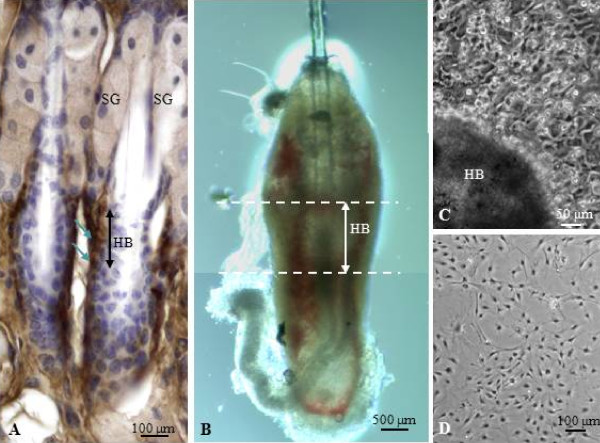
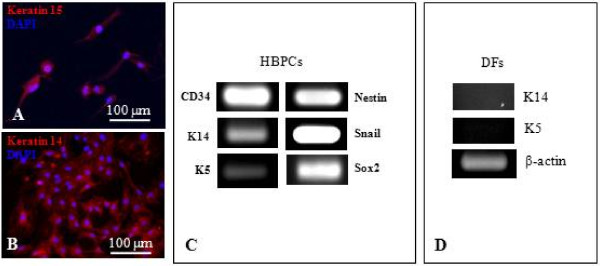
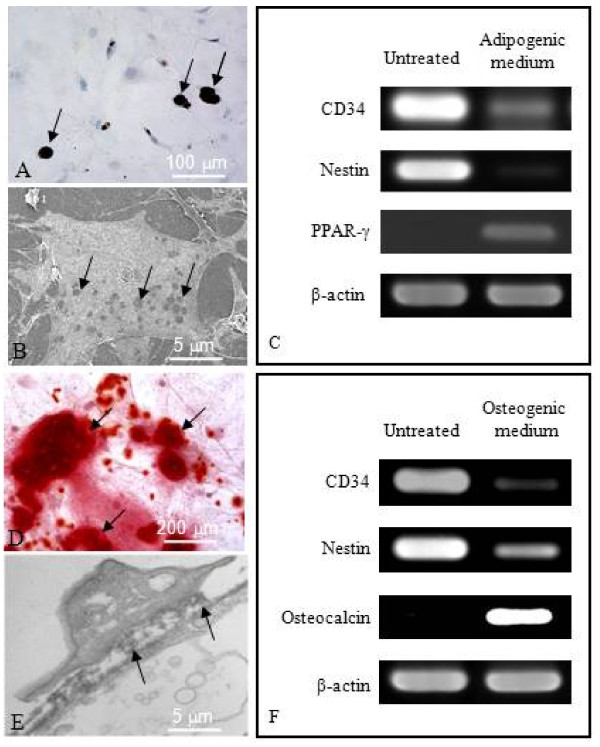
Hair bulge progenitor cells (HBPCs) are multipotent stem cells derived from the bulge region of mice vibrissal hairs. The purified HBPCs express CD34, K15 and K14 surface markers. It has been reported that HBPCs could be readily induced to transdifferentiate into adipocytes and osteocytes. However, the ability of HBPCs to transdifferentiate into cardiomyocytes has not yet been investigated.
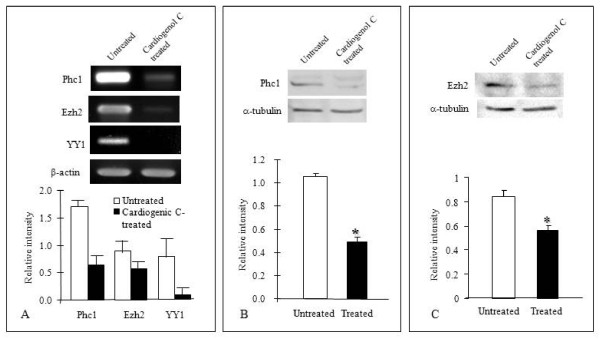
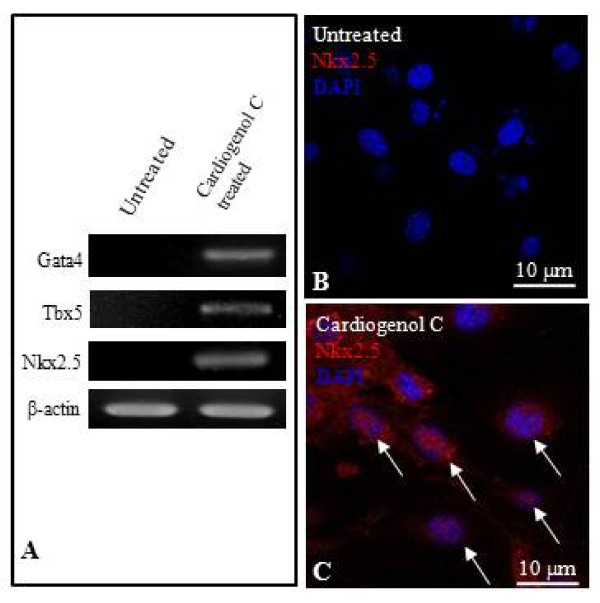
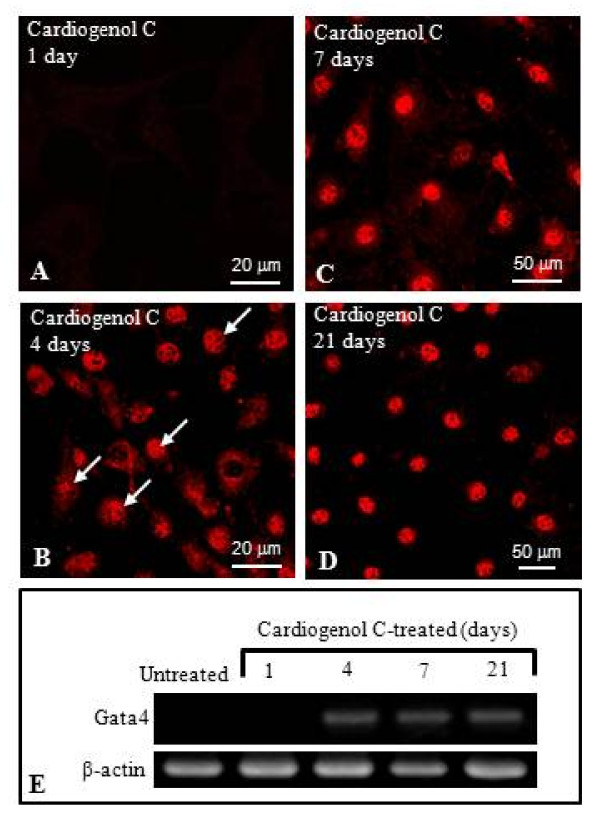
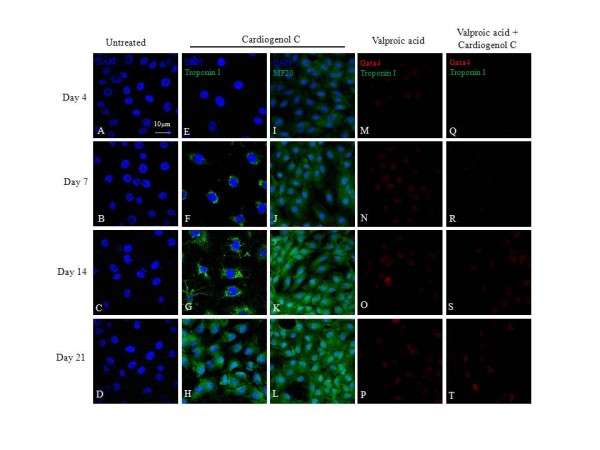
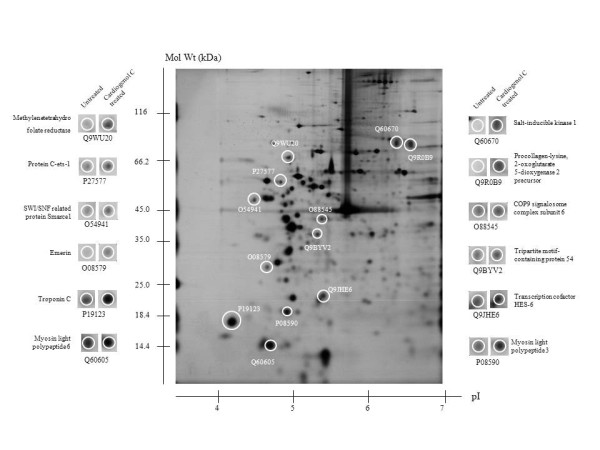
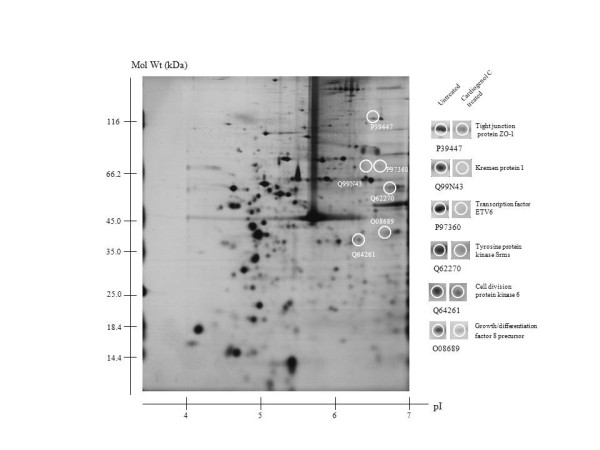
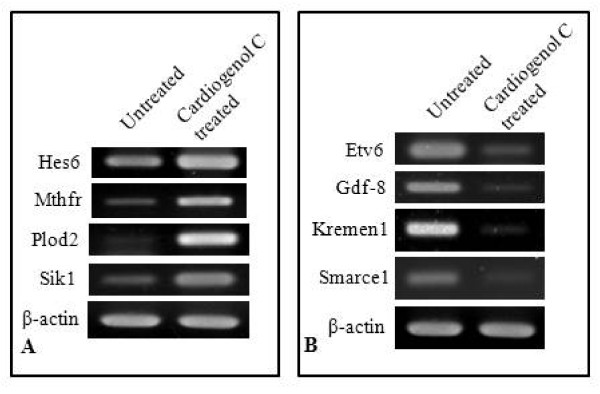
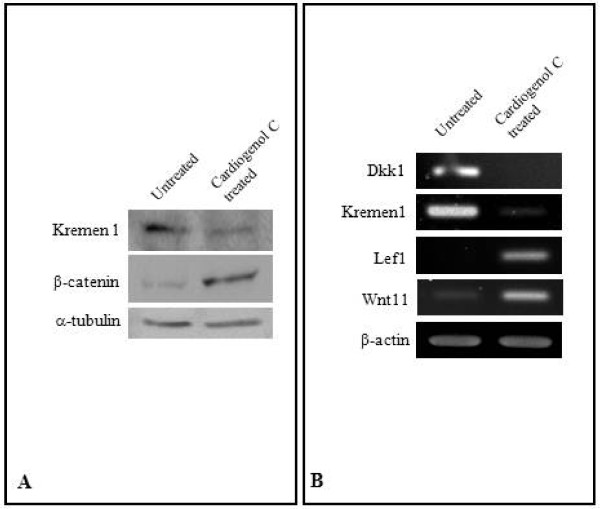
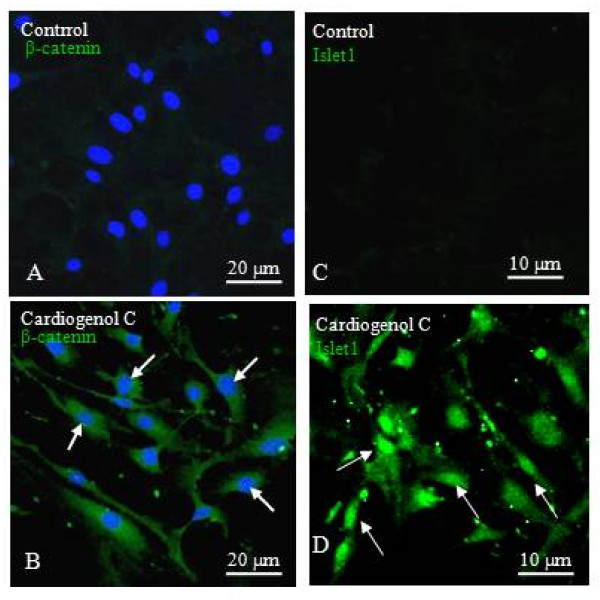
METHODOLOGY/PRINCIPAL FINDINGS: The cardiomyogenic potential of HBPCs was investigated using a small cell-permeable molecule called Cardiogenol C. We established that Cardiogenol C could induce HBPCs to express transcription factors GATA4, Nkx2.5 and Tbx5, which are early specific markers for pre-cardiomyogenic cells. In prolonged cultures, the Cardiogenol C-treated HBPCs can also express muscle proteins, cardiac-specific troponin I and sarcomeric myosin heavy chain. However, we did not observe the ability of these cells to functionally contract. Hence, we called these cells cardiomyocyte-like cells rather than cardiomyocytes. We tried to remedy this deficiency by pre-treating HBPCs with Valproic acid first before exposing them to Cardiogenol C. This pretreatment inhibited, rather than improved, the effectiveness of Cardiogenol C in reprogramming the HBPCs. We used comparative proteomics to determine how Cardiogenol C worked by identifying proteins that were differentially expressed. We identified proteins that were involved in promoting cell differentiation, cardiomyocyte development and for the normal function of striated muscles. From those differentially expressed proteins, we further propose that Cardiogenol C might exert its effect by activating the Wnt signaling pathway through the suppression of Kremen1. In addition, by up-regulating the expression of chromatin remodeling proteins, SIK1 and Smarce1 would initiate cardiac differentiation.
CONCLUSIONS/SIGNIFICANCE: In conclusion, our CD34+/K15+ HBPCs could be induced to transdifferentiate into cardiomyocyte-like cells using a small molecule called Cardiogenol C. The process involves activation of the Wnt signaling pathway and altered expression of several key chromatin remodeling proteins. The finding is clinically significant as HBPCs offer a readily accessible and autologous source of progenitor cells for cell-based therapy of heart disease, which is one of major killers in developed countries.
毛囊隆起祖细胞(HBPCs)是从小鼠触须毛囊隆起区衍生的多能干细胞。纯化的 HBPCs 表达 CD34、K15 和 K14 表面标志物。据报道,HBPCs 很容易被诱导分化为脂肪细胞和成骨细胞。然而,HBPCs 向心肌细胞分化的能力尚未被研究过。
方法/主要发现:我们使用一种叫做 Cardiogenol C 的小分子来研究 HBPCs 的心肌生成潜力。我们确定 Cardiogenol C 可以诱导 HBPCs 表达转录因子 GATA4、Nkx2.5 和 Tbx5,这些是心肌前体细胞的早期特异性标记物。在延长培养过程中,Cardiogenol C 处理的 HBPCs 还可以表达肌肉蛋白、心脏特异性肌钙蛋白 I 和肌球蛋白重链。然而,我们没有观察到这些细胞的功能收缩能力。因此,我们称这些细胞为心肌样细胞,而不是心肌细胞。我们试图通过在将 HBPCs 暴露于 Cardiogenol C 之前先用 Valproic acid 预处理 HBPCs 来补救这种缺陷。这种预处理抑制了而不是增强了 Cardiogenol C 在重编程 HBPCs 中的效果。我们使用比较蛋白质组学来确定 Cardiogenol C 是如何通过鉴定差异表达的蛋白质来发挥作用的。我们鉴定了参与促进细胞分化、心肌细胞发育和横纹肌正常功能的蛋白质。从这些差异表达的蛋白质中,我们进一步提出 Cardiogenol C 可能通过抑制 Kremen1 来激活 Wnt 信号通路来发挥其作用。此外,通过上调染色质重塑蛋白 SIK1 和 Smarce1 的表达,将启动心脏分化。
结论/意义:总之,我们的 CD34+/K15+ HBPCs 可以使用一种叫做 Cardiogenol C 的小分子诱导分化为心肌样细胞。这个过程涉及到 Wnt 信号通路的激活和几个关键染色质重塑蛋白的表达改变。这一发现具有重要的临床意义,因为 HBPCs 为心脏病的基于细胞的治疗提供了一种易于获得的自体祖细胞来源,心脏病是发达国家的主要杀手之一。