Division of Medical Oncology, Department of Medicine and Pathology, Molecular Imaging Program at Stanford, Stanford University, Stanford, California 94305, USA.
Cancer Res. 2011 Mar 15;71(6):2286-97. doi: 10.1158/0008-5472.CAN-10-3367. Epub 2011 Jan 24.
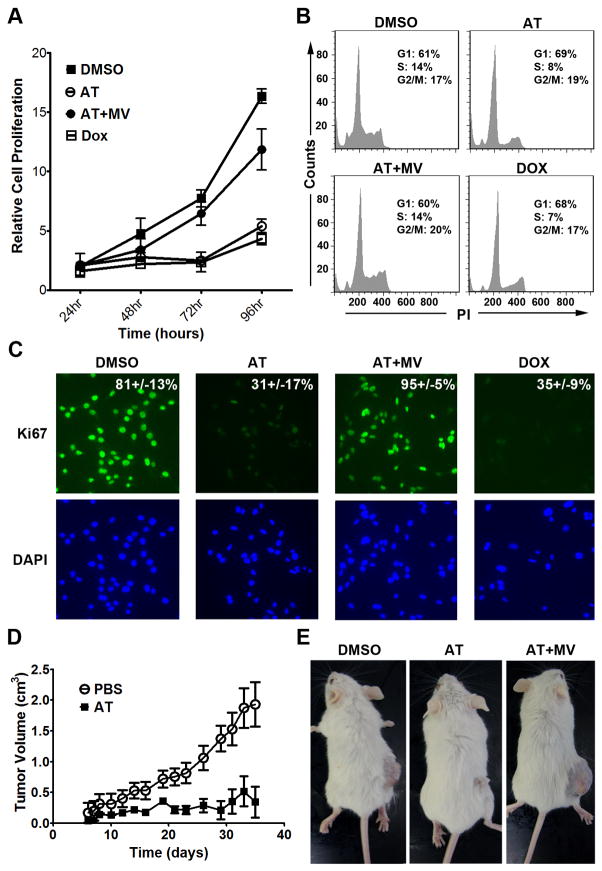
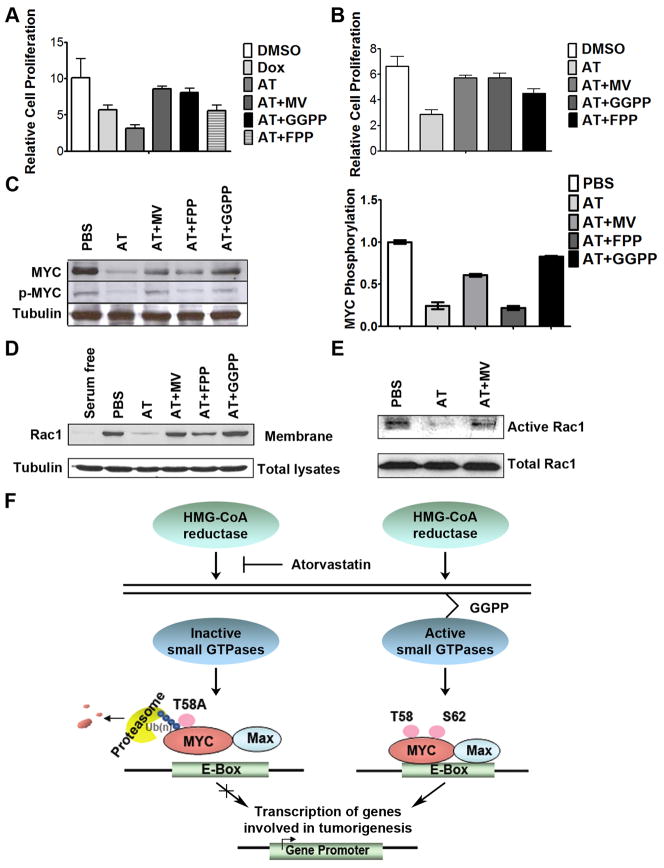
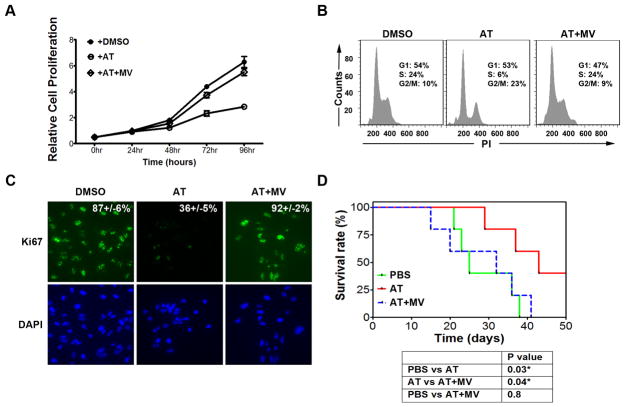
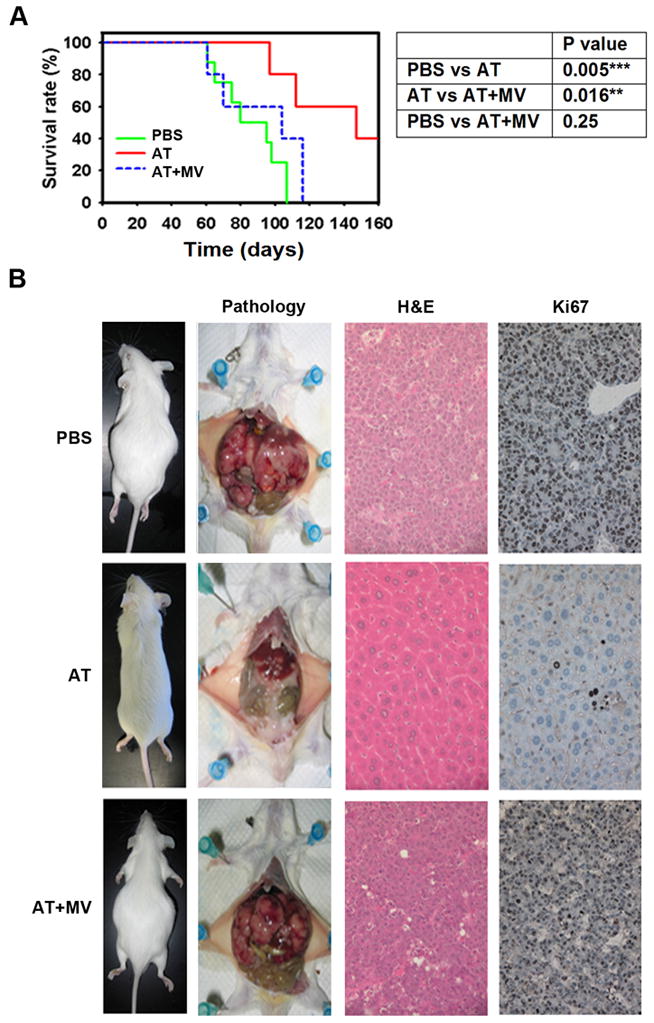
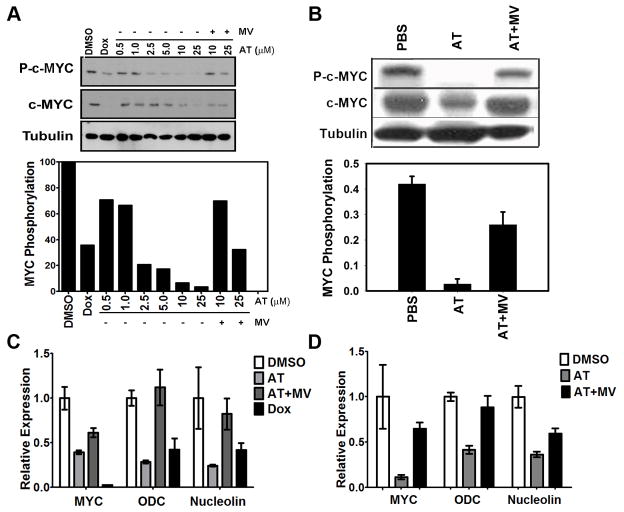
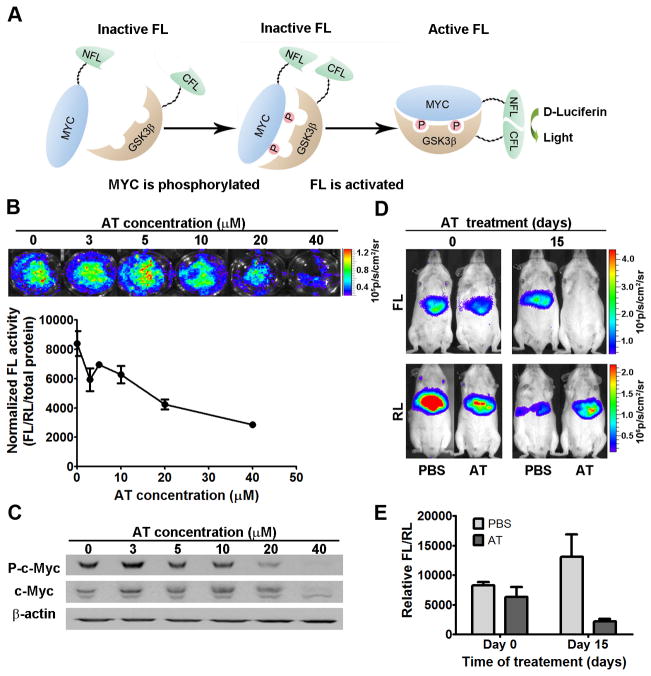
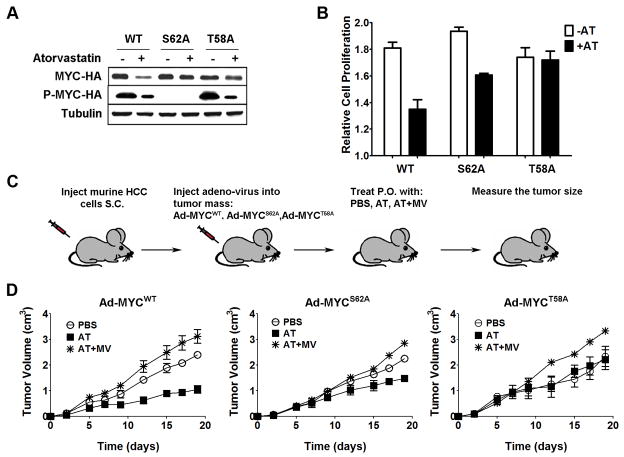
MYC is a potential target for many cancers but is not amenable to existing pharmacologic approaches. Inhibition of 3-hydroxy-3-methylglutaryl-coenzyme A reductase (HMG-CoA reductase) by statins has shown potential efficacy against a number of cancers. Here, we show that inhibition of HMG-CoA reductase by atorvastatin (AT) blocks both MYC phosphorylation and activation, suppressing tumor initiation and growth in vivo in a transgenic model of MYC-induced hepatocellular carcinoma (HCC) as well as in human HCC-derived cell lines. To confirm specificity, we show that the antitumor effects of AT are blocked by cotreatment with the HMG-CoA reductase product mevalonate. Moreover, by using a novel molecular imaging sensor, we confirm that inhibition of HMG-CoA reductase blocks MYC phosphorylation in vivo. Importantly, the introduction of phosphorylation mutants of MYC at Ser62 or Thr58 into tumors blocks their sensitivity to inhibition of HMG-CoA reductase. Finally, we show that inhibition of HMG-CoA reductase suppresses MYC phosphorylation through Rac GTPase. Therefore, HMG-CoA reductase is a critical regulator of MYC phosphorylation, activation, and tumorigenic properties. The inhibition of HMG-CoA reductase may be a useful target for the treatment of MYC-associated HCC as well as other tumors.
MYC 是许多癌症的潜在靶点,但现有药物方法无法对其进行干预。通过抑制羟甲基戊二酰辅酶 A 还原酶(HMG-CoA 还原酶),他汀类药物已显示出对多种癌症的潜在疗效。在这里,我们表明阿托伐他汀(AT)抑制 HMG-CoA 还原酶可阻断 MYC 的磷酸化和激活,从而在 MYC 诱导的肝细胞癌(HCC)的转基因模型以及人 HCC 来源的细胞系中抑制肿瘤的起始和生长。为了证实其特异性,我们表明 AT 的抗肿瘤作用可被 HMG-CoA 还原酶产物甲羟戊酸的共同处理所阻断。此外,通过使用新型分子成像传感器,我们证实抑制 HMG-CoA 还原酶可阻断体内 MYC 的磷酸化。重要的是,将 MYC 的丝氨酸 62 或苏氨酸 58 磷酸化突变体引入肿瘤中可阻止其对 HMG-CoA 还原酶抑制的敏感性。最后,我们表明抑制 HMG-CoA 还原酶通过 Rac GTPase 抑制 MYC 的磷酸化。因此,HMG-CoA 还原酶是 MYC 磷酸化、激活和致瘤特性的关键调节剂。抑制 HMG-CoA 还原酶可能是治疗与 MYC 相关的 HCC 以及其他肿瘤的一种有用靶点。