Department of Molecular Pharmacology and Experimental Therapeutics, Mayo Clinic College of Medicine, Rochester, Minnesota, United States of America.
PLoS One. 2011 Jan 24;6(1):e16331. doi: 10.1371/journal.pone.0016331.
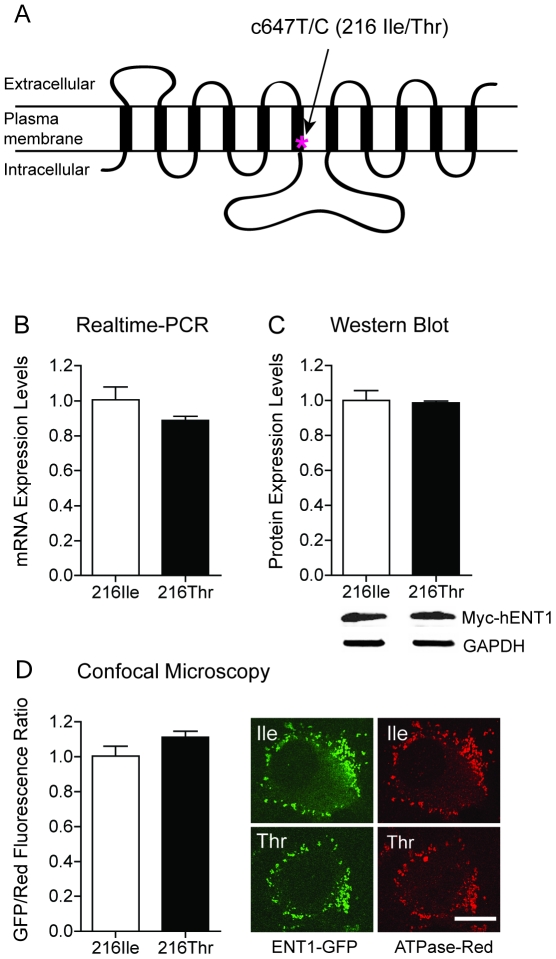
Adenosine is involved in several neurological and behavioral disorders including alcoholism. In cultured cell and animal studies, type 1 equilibrative nucleoside transporter (ENT1, slc29a1), which regulates adenosine levels, is known to regulate ethanol sensitivity and preference. Interestingly, in humans, the ENT1 (SLC29A1) gene contains a non-synonymous single nucleotide polymorphism (647 T/C; rs45573936) that might be involved in the functional change of ENT1.
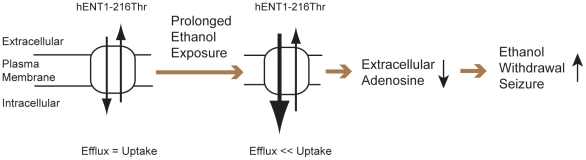
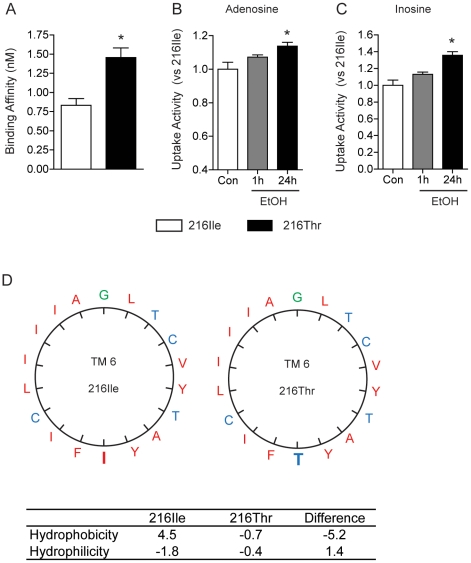
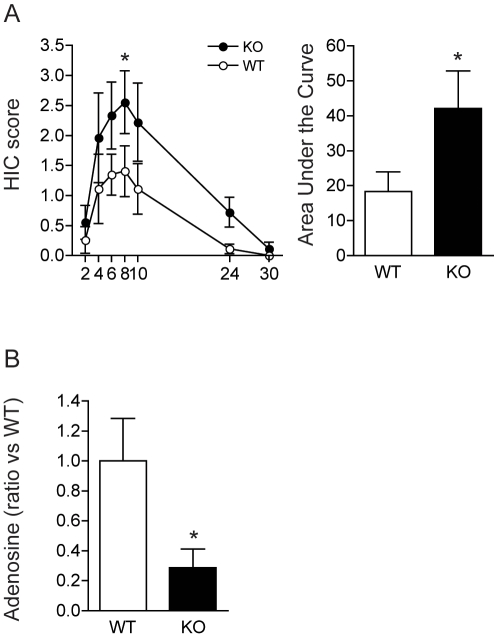
Our functional analysis showed that prolonged ethanol exposure increased adenosine uptake activity of mutant cells (ENT1-216Thr) compared to wild-type (ENT1-216Ile) transfected cells, which might result in reduced extracellular adenosine levels. We found that mice lacking ENT1 displayed increased propensity to ethanol withdrawal seizures compared to wild-type littermates. We further investigated a possible association of the 647C variant with alcoholism and the history of alcohol withdrawal seizures in subjects of European ancestry recruited from two independent sites. Analyses of the combined data set showed an association of the 647C variant and alcohol dependence with withdrawal seizures at the nominally significant level.
Together with the functional data, our findings suggest a potential contribution of a genetic variant of ENT1 to the development of alcoholism with increased risk of alcohol withdrawal-induced seizures in humans.
腺苷参与多种神经和行为障碍,包括酒精中毒。在培养的细胞和动物研究中,调节腺苷水平的 1 型平衡核苷转运蛋白(ENT1,slc29a1)被认为调节乙醇敏感性和偏好。有趣的是,在人类中,ENT1(SLC29A1)基因包含一个非同义单核苷酸多态性(647 T/C;rs45573936),可能参与 ENT1 的功能变化。
我们的功能分析表明,与野生型(ENT1-216Ile)转染细胞相比,长期乙醇暴露增加了突变细胞(ENT1-216Thr)的腺苷摄取活性,这可能导致细胞外腺苷水平降低。我们发现缺乏 ENT1 的小鼠与野生型同窝仔相比,更容易出现乙醇戒断性抽搐。我们进一步研究了欧洲血统个体中 647C 变异与酒精中毒和酒精戒断性抽搐史之间的可能关联,这些个体是从两个独立的地点招募的。对合并数据集的分析显示,647C 变异与酒精依赖与戒断性抽搐之间存在显著关联。
结合功能数据,我们的研究结果表明,ENT1 的遗传变异可能对酒精中毒的发展有潜在贡献,增加了人类因酒精戒断引起抽搐的风险。