The Fred Wyszkowski Cancer Research Laboratory, Department of Biology, Technion-Israel Institute of Technology, Haifa, Israel.
PLoS One. 2011 Jan 24;6(1):e16007. doi: 10.1371/journal.pone.0016007.
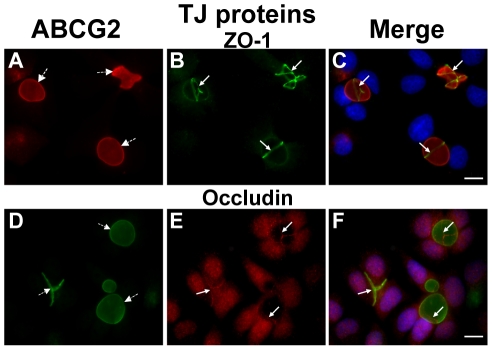
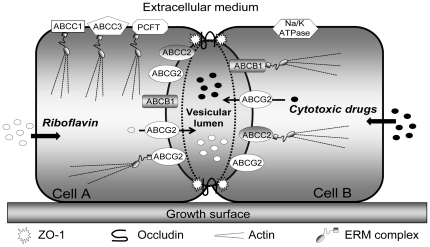
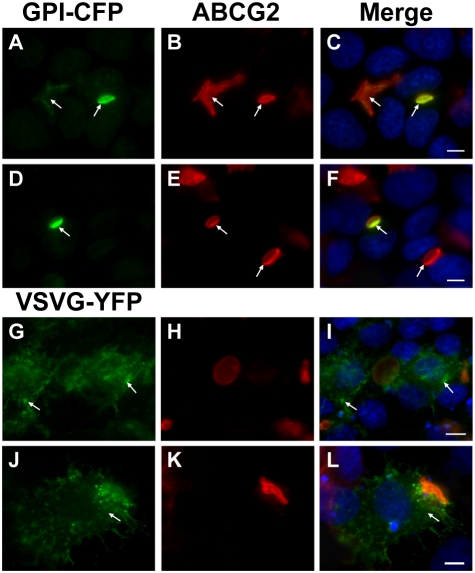
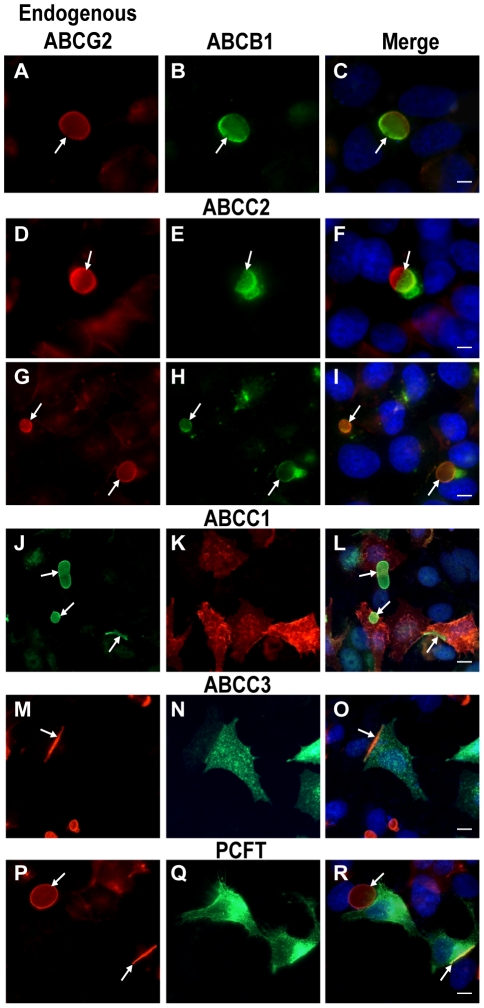
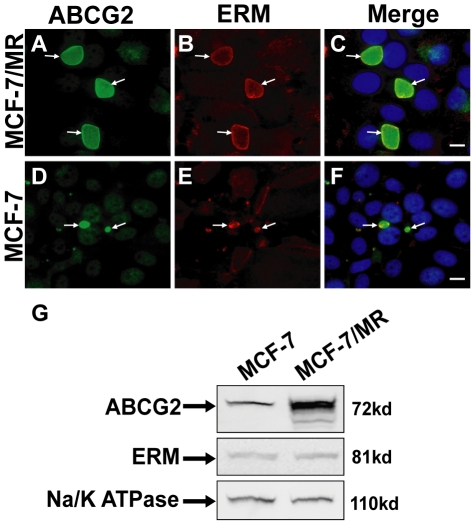
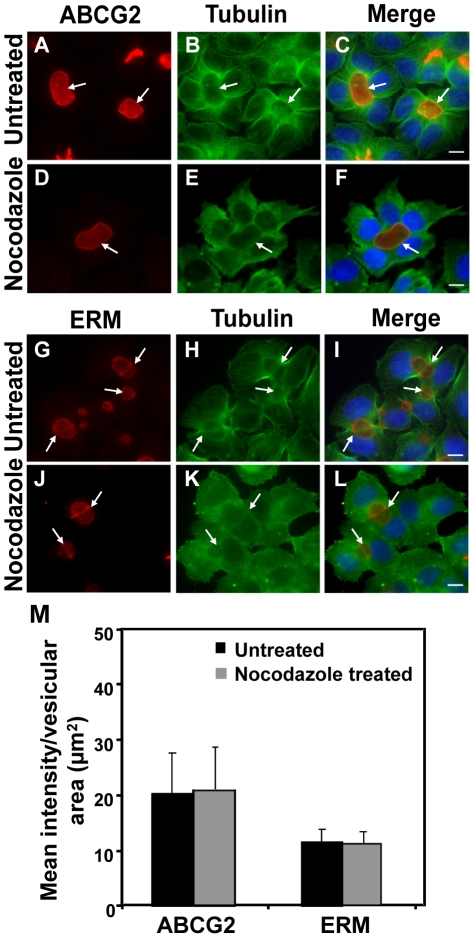
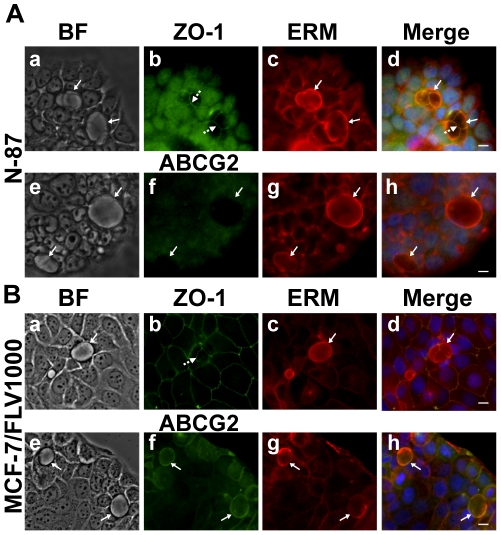
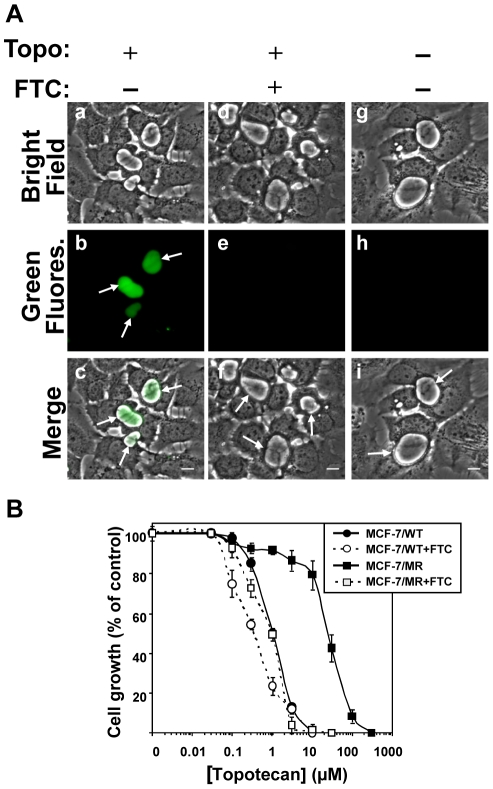
Multidrug resistance (MDR) is a major impediment to curative cancer chemotherapy. The ATP-Binding Cassette transporters ABCG2, ABCB1 and ABCC2 form a unique defense network against multiple structurally and functionally distinct chemotherapeutics, thereby resulting in MDR. Thus, deciphering novel mechanisms of MDR and their overcoming is a major goal of cancer research. Recently we have shown that overexpression of ABCG2 in the membrane of novel extracellular vesicles (EVs) in breast cancer cells results in mitoxantrone resistance due to its dramatic sequestration in EVs. However, nothing is known about EVs structure, biogenesis and their ability to concentrate multiple antitumor agents. To this end, we here found that EVs are structural and functional homologues of bile canaliculi, are apically localized, sealed structures reinforced by an actin-based cytoskeleton and secluded from the extracellular milieu by the tight junction proteins occludin and ZO-1. Apart from ABCG2, ABCB1 and ABCC2 were also selectively targeted to the membrane of EVs. Moreover, Ezrin-Radixin-Moesin protein complex selectively localized to the border of the EVs membrane, suggesting a key role for the tethering of MDR pumps to the actin cytoskeleton. The ability of EVs to concentrate and sequester different antitumor drugs was also explored. Taking advantage of the endogenous fluorescence of anticancer drugs, we found that EVs-forming breast cancer cells display high level resistance to topotecan, imidazoacridinones and methotrexate via efficient intravesicular drug concentration hence sequestering them away from their cellular targets. Thus, we identified a new modality of anticancer drug compartmentalization and resistance in which multiple chemotherapeutics are actively pumped from the cytoplasm and highly concentrated within the lumen of EVs via a network of MDR transporters differentially targeted to the EVs membrane. We propose a composite model for the structure and function of MDR pump-rich EVs in cancer cells and their ability to confer multiple anticancer drug resistance.
多药耐药(MDR)是治愈癌症化疗的主要障碍。ATP 结合盒转运蛋白 ABCG2、ABCB1 和 ABCC2 形成了一个独特的防御网络,可对抗多种结构和功能不同的化疗药物,从而导致 MDR。因此,破译 MDR 的新机制及其克服方法是癌症研究的主要目标。最近,我们已经表明,乳腺癌细胞中新的细胞外囊泡(EVs)膜中 ABCG2 的过度表达会导致米托蒽醌耐药,因为其在 EVs 中被显著隔离。然而,对于 EVs 的结构、生物发生及其浓缩多种抗肿瘤药物的能力,我们知之甚少。为此,我们在这里发现 EVs 是胆小管的结构和功能同源物,是位于顶部的、被肌动蛋白细胞骨架增强的封闭结构,并通过紧密连接蛋白 occludin 和 ZO-1 与细胞外环境隔离。除了 ABCG2 之外,ABCB1 和 ABCC2 也被选择性地靶向 EVs 的膜。此外,埃兹蛋白-根蛋白-膜突蛋白复合物选择性地定位于 EVs 膜的边界,这表明 MDR 泵与肌动蛋白细胞骨架的连接对于 EVs 的形成具有关键作用。我们还探索了 EVs 浓缩和隔离不同抗肿瘤药物的能力。利用抗癌药物的内源性荧光,我们发现形成 EVs 的乳腺癌细胞通过高效的囊内药物浓度表现出对拓扑替康、咪唑并吖啶酮和甲氨蝶呤的高水平耐药性,从而将其从细胞靶标中隔离出来。因此,我们确定了一种新的抗癌药物分隔和耐药模式,其中多个化疗药物通过网络上的 MDR 转运蛋白从细胞质中主动泵出,并通过网络上的 MDR 转运蛋白高度浓缩在 EVs 的管腔中,这些转运蛋白被差异化地靶向 EVs 的膜。我们提出了一个关于富含 MDR 泵的 EVs 在癌细胞中的结构和功能及其赋予多种抗癌药物耐药性的能力的综合模型。