Department of Electrical and Computer Engineering, Drexel University, Philadelphia, Pennsylvania, United States of America.
PLoS One. 2011 Jan 21;6(1):e16270. doi: 10.1371/journal.pone.0016270.
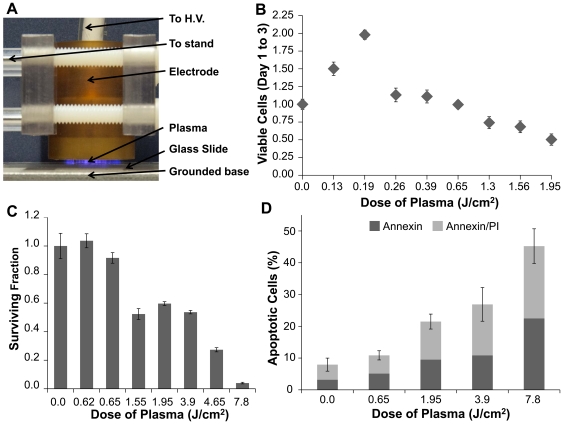
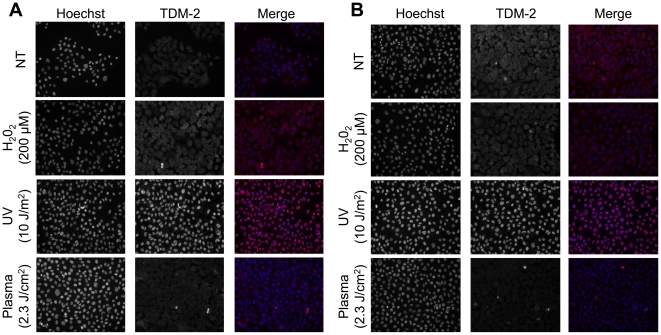
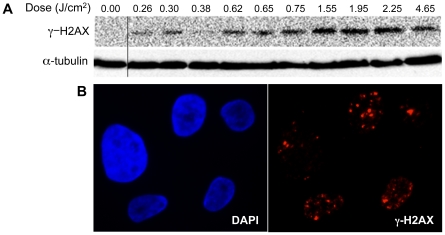
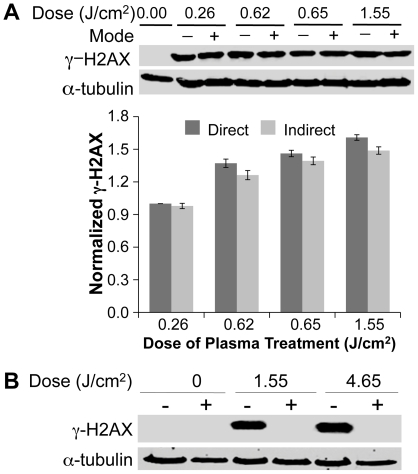
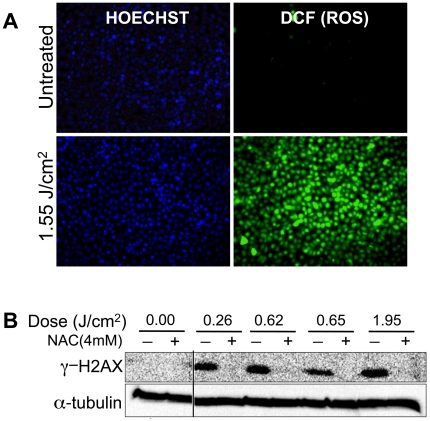
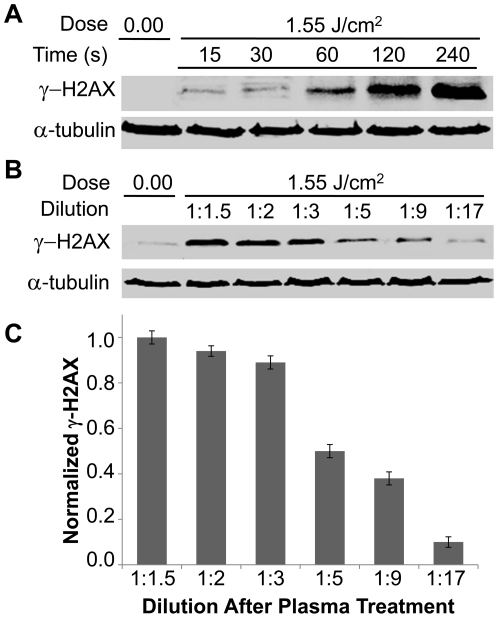
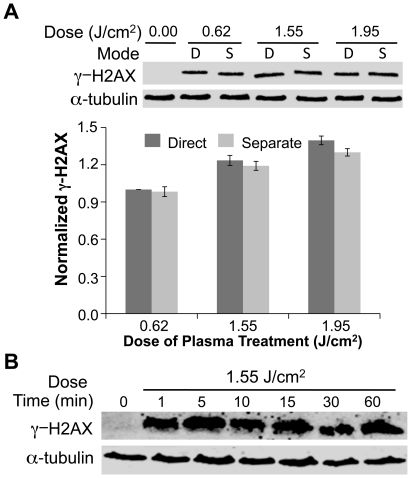
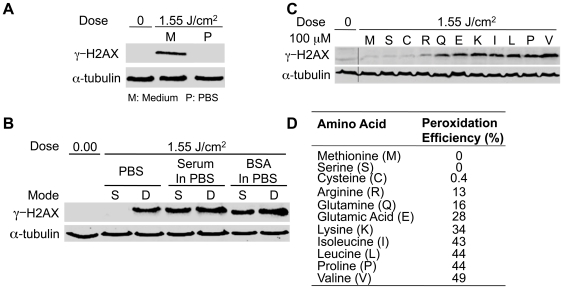
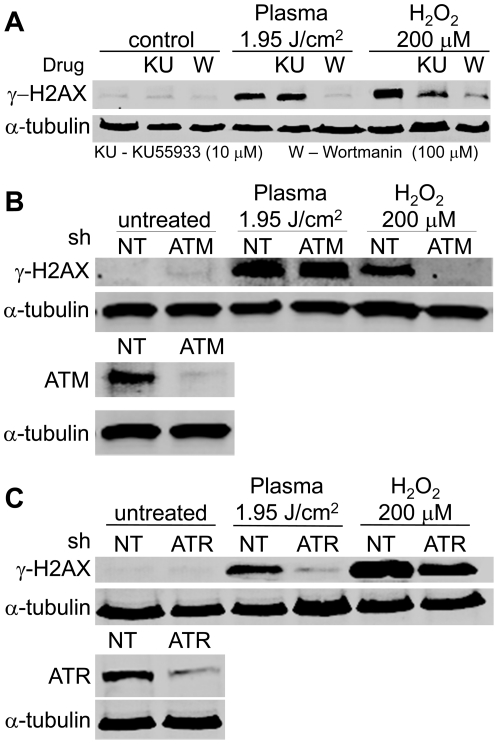
Thermal plasmas and lasers have been widely used in medicine to cut, ablate and cauterize tissues through heating; in contrast, non-thermal plasma produces no heat, so its effects can be selective. In order to exploit the potential for clinical applications, including wound healing, sterilization, blood coagulation, and cancer treatment, a mechanistic understanding of the interaction of non-thermal plasma with living tissues is required. Using mammalian cells in culture, it is shown here that non-thermal plasma created by dielectric barrier discharge (DBD) has dose-dependent effects that range from increasing cell proliferation to inducing apoptosis. It is also shown that these effects are primarily due to formation of intracellular reactive oxygen species (ROS). We have utilized γ-H2AX to detect DNA damage induced by non-thermal plasma and found that it is initiated by production of active neutral species that most likely induce formation of organic peroxides in cell medium. Phosphorylation of H2AX following non-thermal plasma treatment is ATR dependent and ATM independent, suggesting that plasma treatment may lead to replication arrest or formation of single-stranded DNA breaks; however, plasma does not lead to formation of bulky adducts/thymine dimers.
热等离子体和激光已广泛应用于医学领域,通过加热来切割、消融和烧灼组织;相比之下,非热等离子体不会产生热量,因此其效果具有选择性。为了开发非热等离子体在临床应用中的潜力,包括伤口愈合、杀菌、血液凝固和癌症治疗等方面,需要深入了解非热等离子体与活体组织相互作用的机制。本研究使用培养的哺乳动物细胞表明,介电阻挡放电(DBD)产生的非热等离子体具有剂量依赖性效应,从促进细胞增殖到诱导细胞凋亡。研究还表明,这些效应主要归因于细胞内活性氧物质(ROS)的形成。我们利用γ-H2AX 检测非热等离子体诱导的 DNA 损伤,发现它是由活性中性物质的形成引起的,这些活性中性物质很可能在细胞培养基中诱导有机过氧化物的形成。非热等离子体处理后 H2AX 的磷酸化依赖于 ATR 而不依赖于 ATM,表明等离子体处理可能导致复制停滞或形成单链 DNA 断裂;然而,等离子体不会导致大量加合物/胸腺嘧啶二聚体的形成。