Department of Surgical and Gastroenterological Sciences, University of Padua, Padova, Italy.
Semin Liver Dis. 2011 Feb;31(1):11-32. doi: 10.1055/s-0031-1272832. Epub 2011 Feb 22.
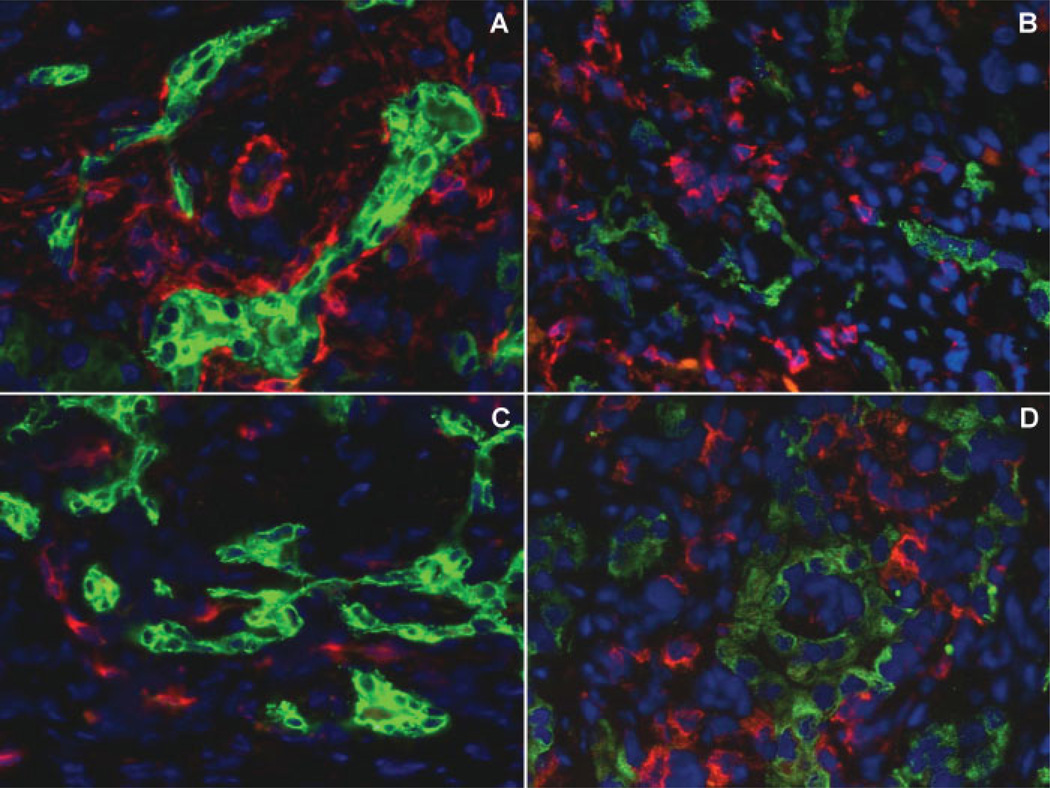
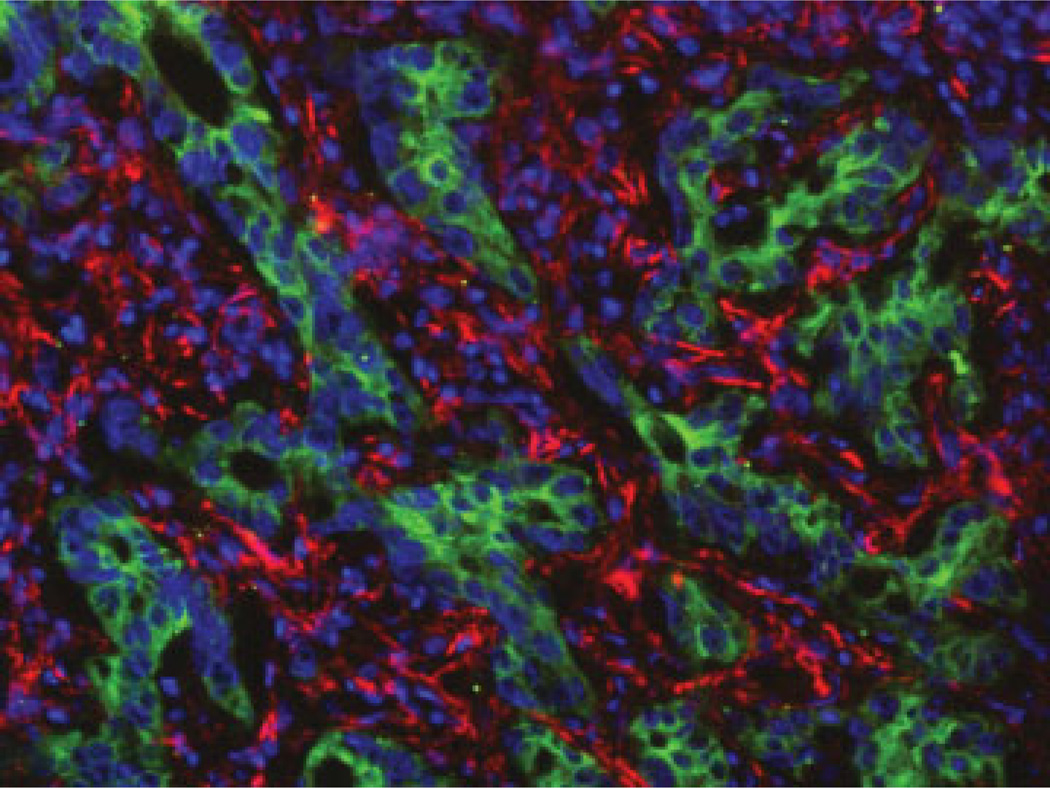
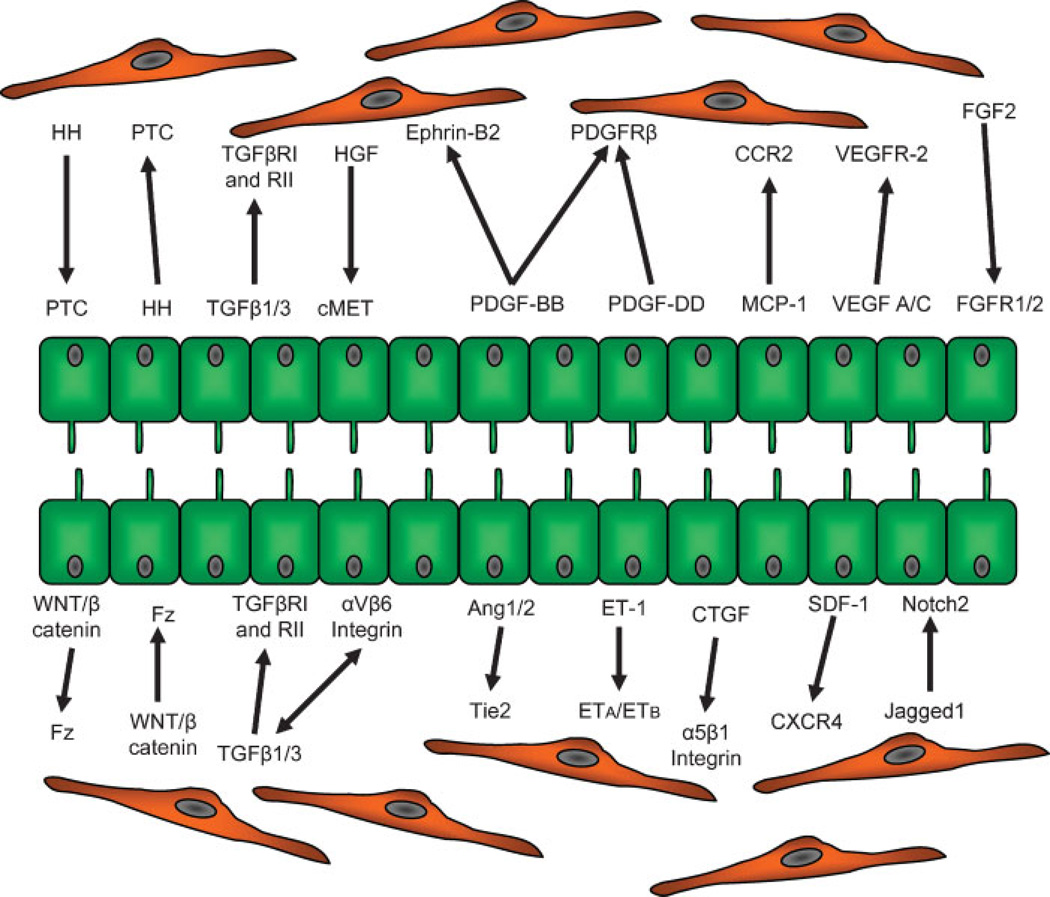
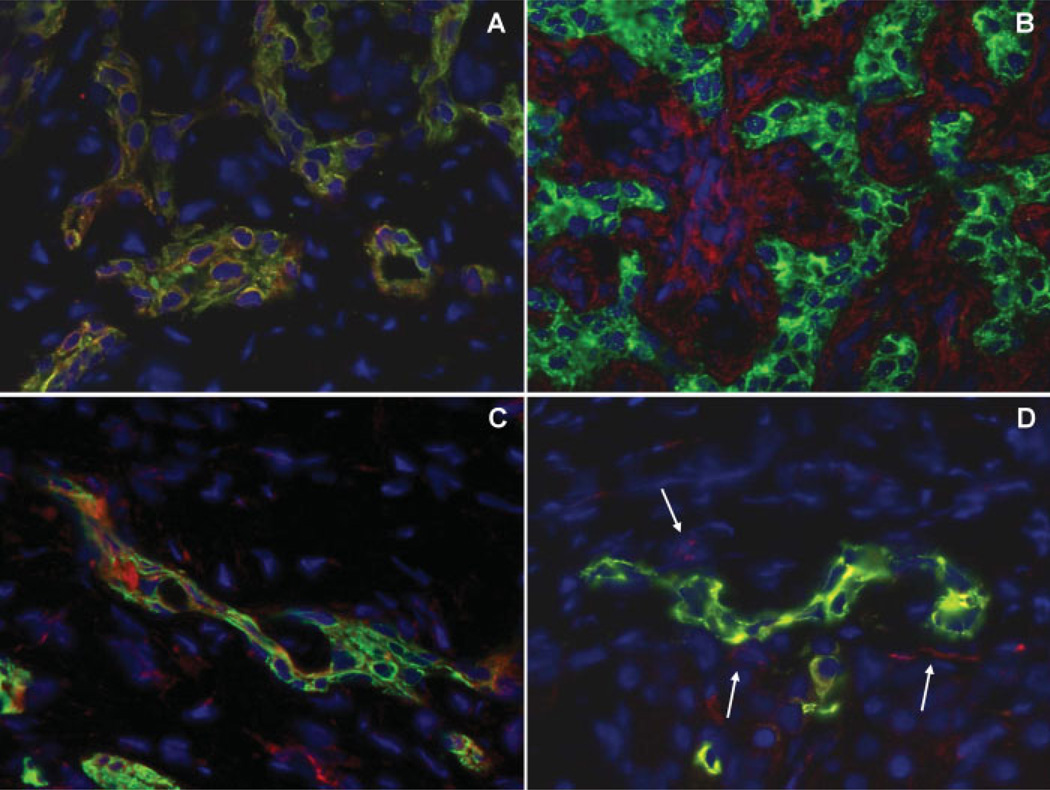
In most cholangiopathies, liver diseases of different etiologies in which the biliary epithelium is the primary target in the pathogenic sequence, the central mechanism involves inflammation. Inflammation, characterized by pleomorphic peribiliary infiltrate containing fibroblasts, macrophages, lymphocytes, as well as endothelial cells and pericytes, is associated to the emergence of "reactive cholangiocytes." These biliary cells do not possess bile secretory functions, are in contiguity with terminal cholangioles, and are of a less-differentiated phenotype. They have acquired several mesenchymal properties, including motility and ability to secrete a vast number of proinflammatory chemo/cytokines and growth factors along with de novo expression of a rich receptor machinery. These functional properties enable reactive cholangiocytes to establish intimate contacts and to mutually exchange a variety of paracrine signals with the different mesenchymal cell types populating the portal infiltrate. The extensive crosstalk between the epithelial and mesenchymal compartments is the driver of liver repair mechanisms in cholangiopathies, ultimately evolving toward portal fibrosis. Herein, the authors first review the properties of the different cell types involved in their interaction, and then analyze the underlying molecular mechanisms as they relate to liver repair in cholangiopathies.
在大多数胆管疾病中,不同病因的肝脏疾病是其主要的致病目标,其中心机制涉及炎症。炎症的特征是多形性的胆管周围浸润,其中包含成纤维细胞、巨噬细胞、淋巴细胞以及内皮细胞和周细胞,与“反应性胆管细胞”的出现有关。这些胆管细胞不具有胆汁分泌功能,与终末胆管相邻,且具有较低的分化表型。它们获得了多种间充质特性,包括运动性和分泌大量促炎趋化因子/细胞因子和生长因子的能力,以及丰富的受体机制的重新表达。这些功能特性使反应性胆管细胞能够与门脉浸润中存在的不同间充质细胞类型建立密切联系,并相互交换各种旁分泌信号。上皮细胞和间充质细胞之间的广泛串扰是胆管疾病中肝脏修复机制的驱动因素,最终会发展为门脉纤维化。在此,作者首先回顾了参与其相互作用的不同细胞类型的特性,然后分析了与胆管疾病中肝脏修复相关的潜在分子机制。