Graduate Institute of Biomedical Sciences, Chang Gung University, Kwei-San, Tao-Yuan 33332, Taiwan.
J Biomed Sci. 2011 Feb 28;18(1):20. doi: 10.1186/1423-0127-18-20.
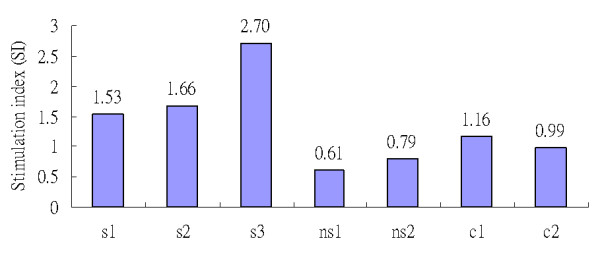
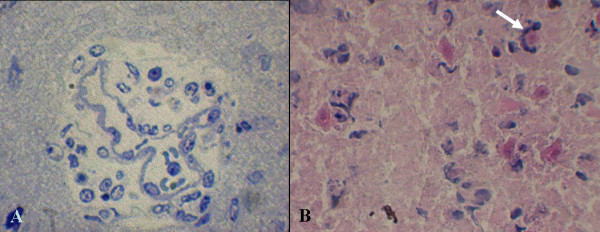
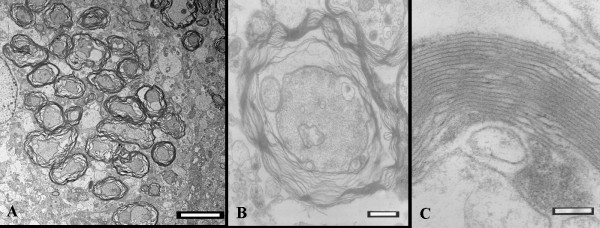
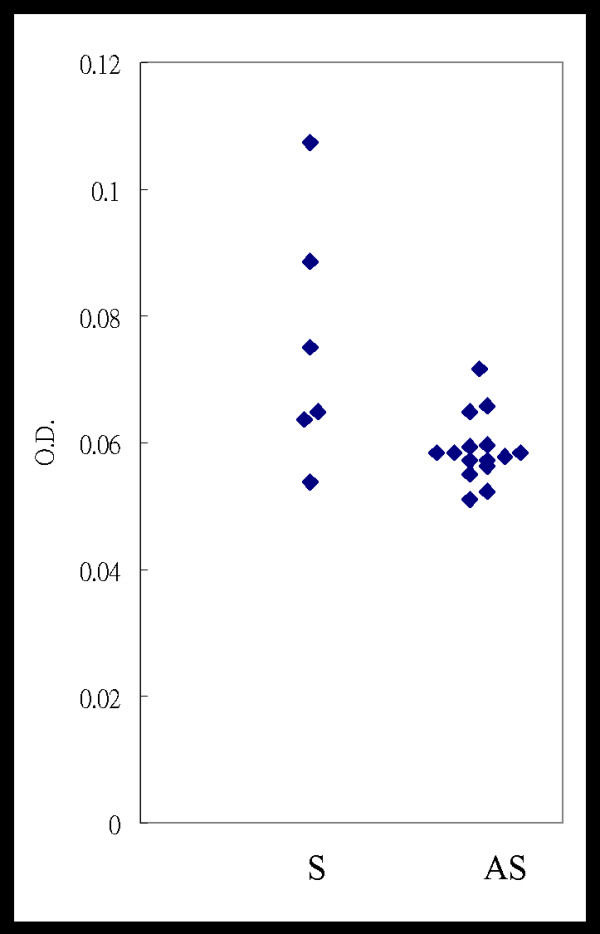
Japanese encephalitis (JE) virus is the most common cause of epidemic viral encephalitis in the world. The virus mainly infects neuronal cells and causes an inflammatory response after invasion of the parenchyma of the brain. The death of neurons is frequently observed, in which demyelinated axons are commonly seen. The mechanism that accounts for the occurrence of demyelination is ambiguous thus far. With a mouse model, the present study showed that myelin-specific antibodies appeared in sera, particularly in those mice with evident symptoms. Meanwhile, specific T cells proliferating in response to stimulation by myelin basic protein (MBP) was also shown in these mice. Taken together, our results suggest that autoimmunity may play an important role in the destruction of components, e.g., MBP, of axon-surrounding myelin, resulting in demyelination in the mouse brain after infection with the JE virus.
日本脑炎病毒是世界上最常见的引起流行病毒性脑炎的病原体。病毒主要感染神经元细胞,在侵犯脑实质后引起炎症反应。常观察到神经元死亡,其中常见脱髓鞘轴突。导致脱髓鞘发生的确切机制目前尚不清楚。本研究通过小鼠模型显示,髓鞘特异性抗体出现在血清中,尤其是在那些有明显症状的小鼠中。同时,还观察到这些小鼠中针对髓鞘碱性蛋白(MBP)刺激而增殖的特异性 T 细胞。综上所述,我们的结果表明,自身免疫可能在破坏轴突周围髓鞘的成分(如 MBP)中起重要作用,导致感染日本脑炎病毒后小鼠大脑发生脱髓鞘。