Department of Molecular and Comparative Pathobiology, The Johns Hopkins School of Medicine, Baltimore, MD 21201, USA.
J Immunol. 2011 Apr 1;186(7):4008-18. doi: 10.4049/jimmunol.1003757. Epub 2011 Mar 2.
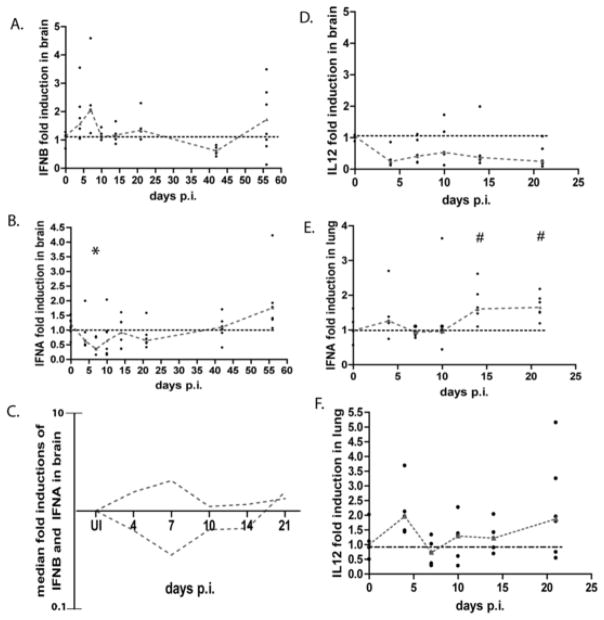
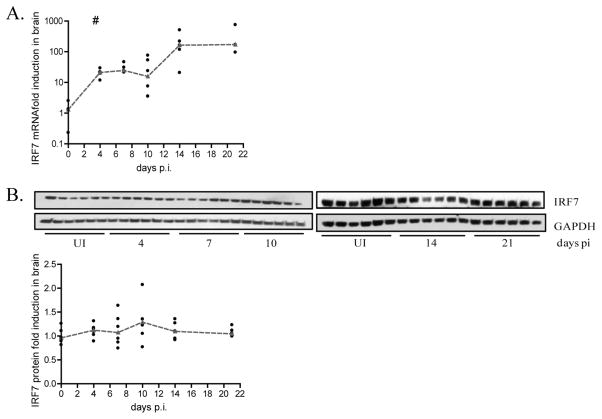
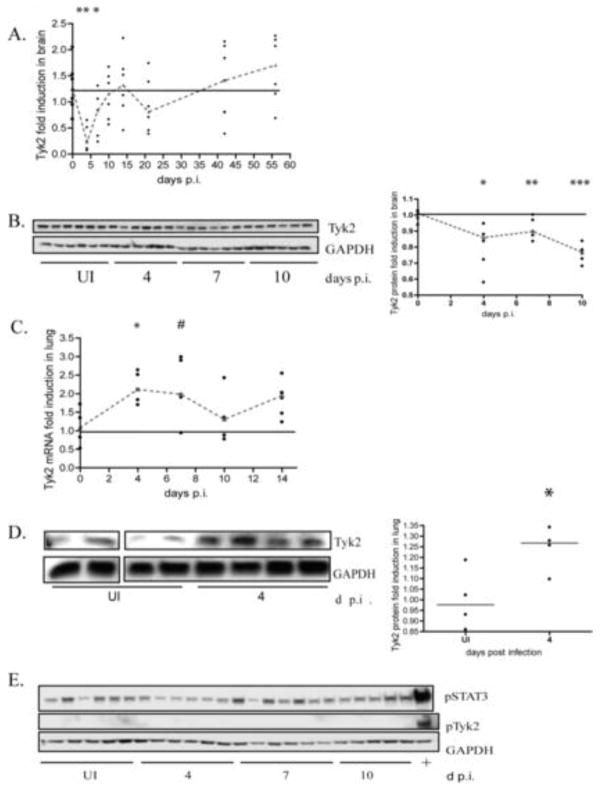
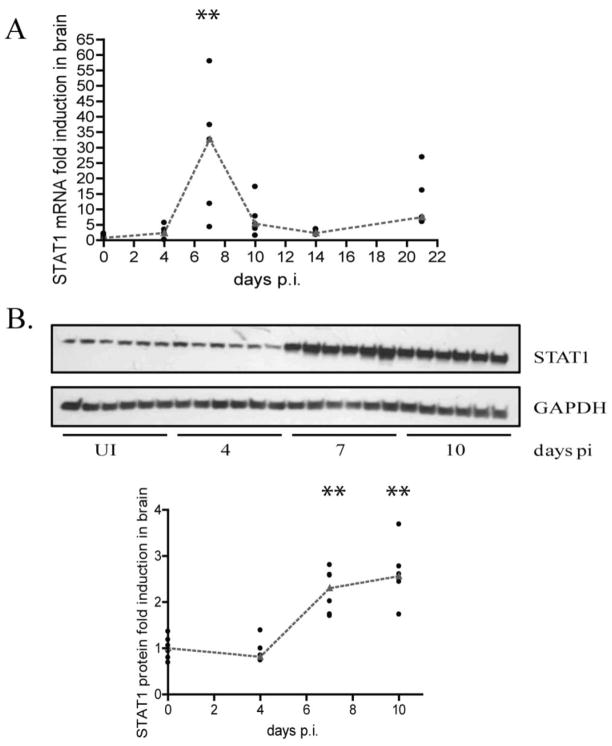
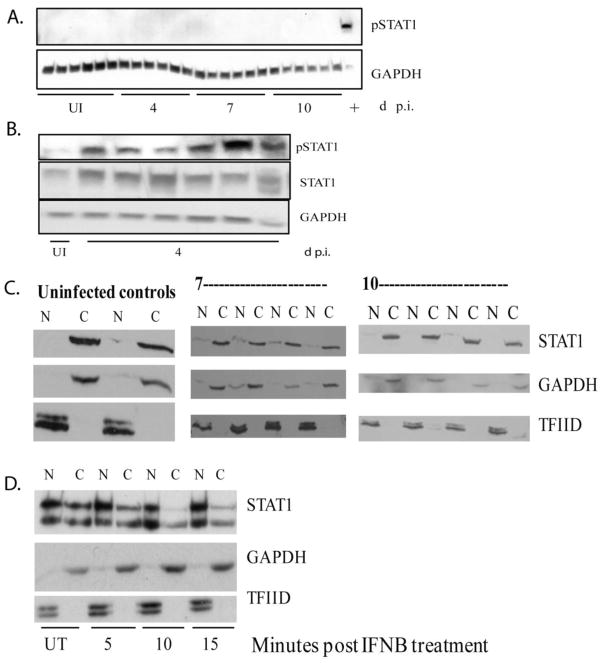
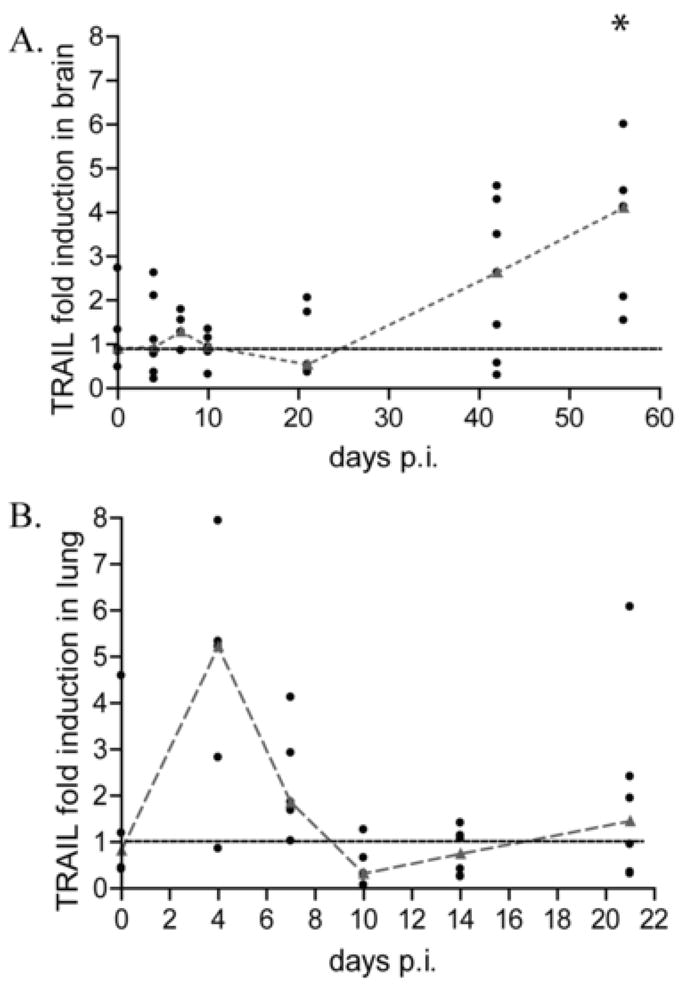
Using an accelerated and consistent SIV pigtailed macaque model of HIV-associated neurologic disorders, we have demonstrated that virus enters the brain during acute infection. However, neurologic symptoms do not manifest until late stages of infection, suggesting that immunological mechanisms exist within the CNS that control viral replication and associated inflammation. We have shown that IFN-β, a type I IFN central to viral innate immunity, is a major cytokine present in the brain during acute infection and is responsible for limiting virus infection and inflammatory cytokine expression. However, the induction and role of IFN-α in the CNS during acute SIV infection has never been examined in this model. In the classical model of IFN signaling, IFN-β signals through the IFN-α/β receptor, leading to expression of IFN-α. Surprisingly, although IFN-β is upregulated during acute SIV infection, we found that IFN-α is downregulated. We demonstrate that this downregulation is coupled with a suppression of signaling molecules downstream of the IFN receptor, namely tyrosine kinase 2, STAT1, and IFN regulatory factor 7, as indicated by either lack of protein phosphorylation, lack of nuclear accumulation, or transcriptional and/or translational repression. In contrast to brain, IFN-α is upregulated in lung and accompanied by activation of tyrosine kinase 2 and STAT1. These data provide a novel observation that during acute SIV infection in the brain, there is differential signaling through the IFN-α/β receptor that fails to activate expression of IFN-α in the brain.
利用一种加速且稳定的 SIV 长尾猕猴 HIV 相关神经紊乱模型,我们已经证实病毒会在急性感染期间进入大脑。然而,神经症状直到感染后期才会显现,这表明中枢神经系统内存在免疫机制,可以控制病毒复制和相关炎症。我们已经表明,IFN-β 是一种在病毒先天免疫中起核心作用的 I 型干扰素,是急性感染期间大脑中存在的主要细胞因子,负责限制病毒感染和炎症细胞因子的表达。然而,在该模型中,急性 SIV 感染期间 IFN-α 在中枢神经系统中的诱导和作用从未被研究过。在经典的 IFN 信号模型中,IFN-β 通过 IFN-α/β 受体信号传递,导致 IFN-α 的表达。令人惊讶的是,尽管急性 SIV 感染期间 IFN-β 上调,但我们发现 IFN-α 下调。我们证明这种下调与 IFN 受体下游信号分子的抑制有关,即酪氨酸激酶 2、STAT1 和 IFN 调节因子 7,表现为缺乏蛋白磷酸化、缺乏核内积累,或转录和/或翻译抑制。与大脑不同,IFN-α 在肺部上调,并伴有酪氨酸激酶 2 和 STAT1 的激活。这些数据提供了一个新的观察结果,即在大脑急性 SIV 感染期间,IFN-α/β 受体的信号传递存在差异,无法在大脑中激活 IFN-α 的表达。