Clinical Magnetic Resonance Group, Institute of Cancer Research, Royal Marsden NHS Foundation Trust, Sutton, Surrey, SM2 5PT, UK.
Breast Cancer Res. 2011 Feb 23;13(1):204. doi: 10.1186/bcr2815.
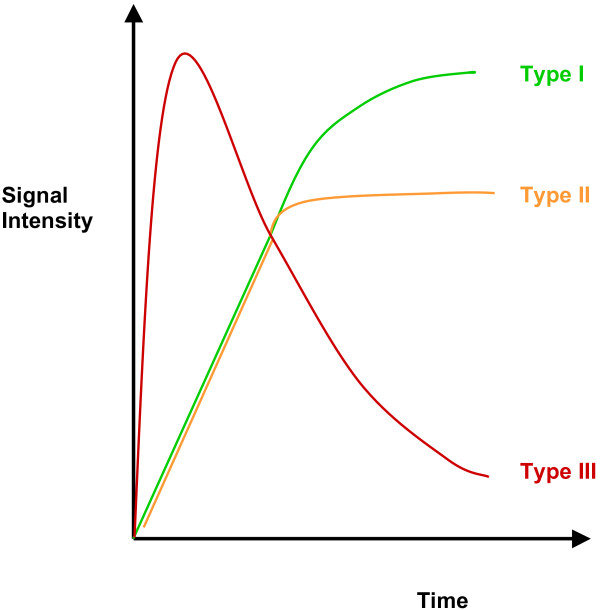
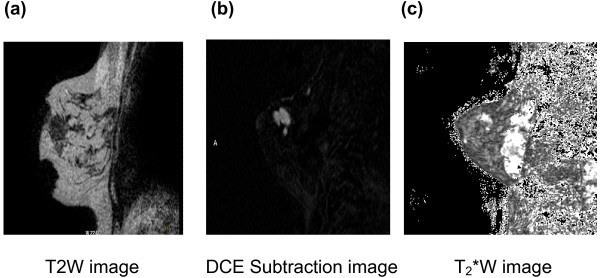
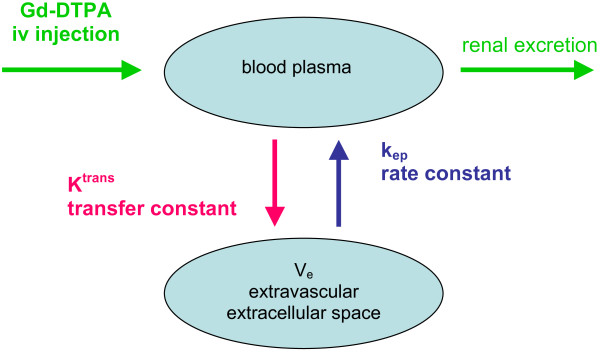
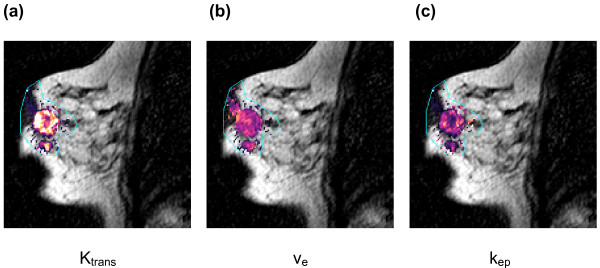
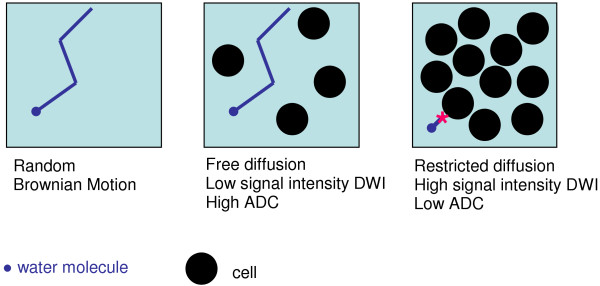
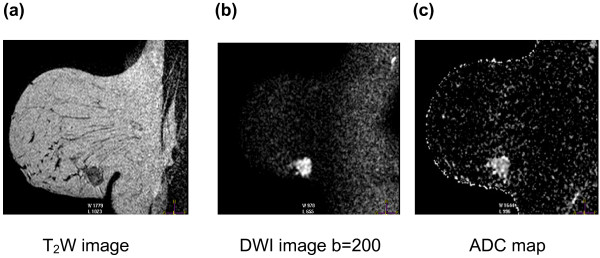
Functional magnetic resonance (MR) encompasses a spectrum of techniques that depict physiological and molecular processes before morphological changes are visible on conventional imaging. As understanding of the pathophysiological and biomolecular processes involved in breast malignancies evolves, newer functional MR techniques can be employed that define early predictive and surrogate biomarkers for monitoring response to chemotherapy. Neoadjuvant chemotherapy is increasingly used in women with primary breast malignancies to down-stage the tumour and enable successful breast conservation surgery. It also plays a role in the treatment of undetected micrometastases. Cardinal physiological features of tumours that occur as a result of interactions between cancer cells, stromal cells and secreted factors and cytokines and how they change with treatment provide the opportunity to detect changes in the tumour microenvironment prior to any morphological change. Through sequential imaging, tumour response can be assessed and non-responders can be identified early to enable alternative therapies to be considered. This review summarises the functional magnetic resonance biomarkers of response in patients with breast cancer that are currently available and under development. We describe the current state of each biomarker and explore their potential clinical uses and limitations in assessing treatment response. With the aid of selected interesting cases, biomarkers related to dynamic contrast-enhanced MRI, diffusion-weighted MRI, T2*/BOLD and MR spectroscopy are described and illustrated. The potential of newer approaches, such as MR elastography, are also reviewed.
功能磁共振(MR)涵盖了一系列技术,可在常规成像可见形态变化之前描绘生理和分子过程。随着对乳腺癌相关病理生理和生物分子过程的认识不断发展,可采用新的功能磁共振技术来定义早期预测和替代生物标志物,以监测化疗反应。新辅助化疗越来越多地用于原发性乳腺癌女性,以降低肿瘤分期并实现成功的保乳手术。它在治疗未检测到的微转移中也发挥作用。由于癌细胞、基质细胞和分泌因子和细胞因子之间的相互作用而发生的肿瘤的主要生理特征,以及它们如何随治疗而变化,为在任何形态变化之前检测肿瘤微环境的变化提供了机会。通过连续成像,可以评估肿瘤反应,早期识别无反应者,从而考虑替代治疗方法。这篇综述总结了目前可用于和正在开发的乳腺癌患者功能磁共振反应的生物标志物。我们描述了每个生物标志物的现状,并探讨了它们在评估治疗反应中的潜在临床应用和局限性。通过选择一些有趣的病例,描述并说明了与动态对比增强 MRI、弥散加权 MRI、T2*/BOLD 和磁共振波谱相关的生物标志物。还回顾了新方法(如磁共振弹性成像)的潜力。