The Genome Center, Washington University School of Medicine, Campus Box 8501, 4444 Forest Park Avenue, St Louis, MO 63108, USA.
Genome Biol. 2011;12(3):R31. doi: 10.1186/gb-2011-12-3-r31. Epub 2011 Mar 31.
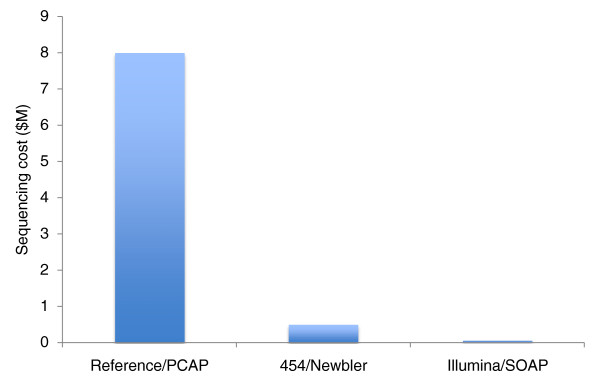
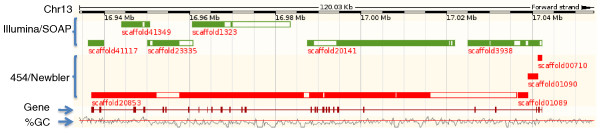
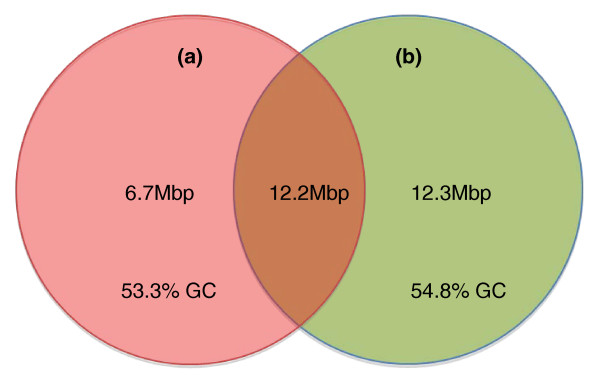
The unparalleled efficiency of next-generation sequencing (NGS) has prompted widespread adoption, but significant problems remain in the use of NGS data for whole genome assembly. We explore the advantages and disadvantages of chicken genome assemblies generated using a variety of sequencing and assembly methodologies. NGS assemblies are equivalent in some ways to a Sanger-based assembly yet deficient in others. Nonetheless, these assemblies are sufficient for the identification of the majority of genes and can reveal novel sequences when compared to existing assembly references.
下一代测序(NGS)的无与伦比的效率促使其得到广泛应用,但在将 NGS 数据用于全基因组组装时,仍存在一些重大问题。我们探讨了使用各种测序和组装方法生成的鸡基因组组装的优缺点。在某些方面,NGS 组装与基于 Sanger 的组装相当,但在其他方面则存在不足。尽管如此,这些组装对于识别大多数基因已经足够,并且与现有组装参考相比,可以揭示新的序列。