Department of Cellular and Molecular Physiology, Milton S. Hershey Medical Center, Pennsylvania State University College of Medicine , Pennsylvania 17033, United States.
Chem Res Toxicol. 2011 May 16;24(5):618-39. doi: 10.1021/tx200031q. Epub 2011 Apr 28.
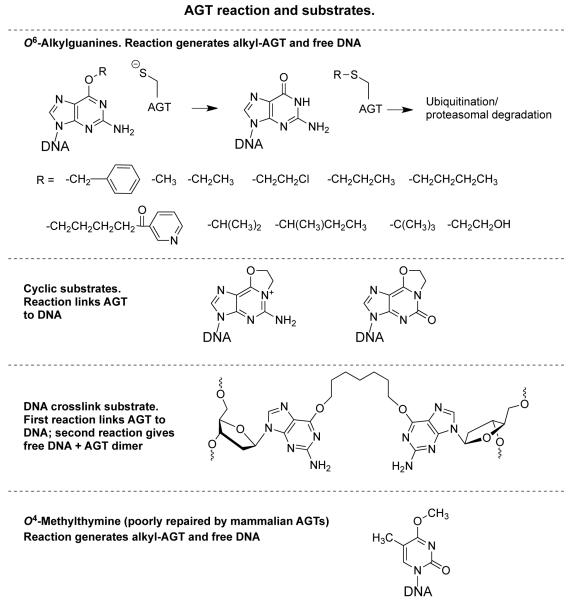
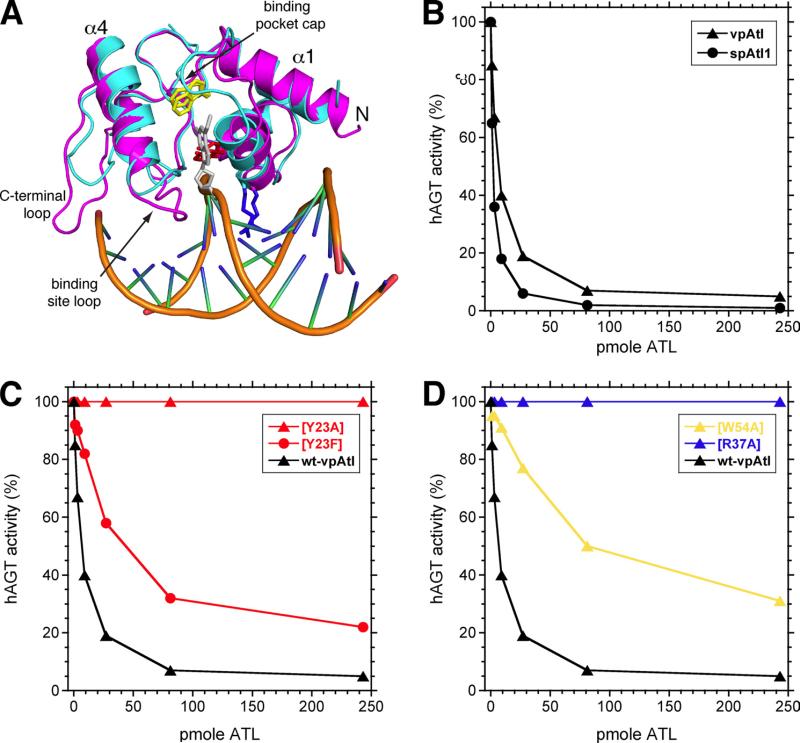
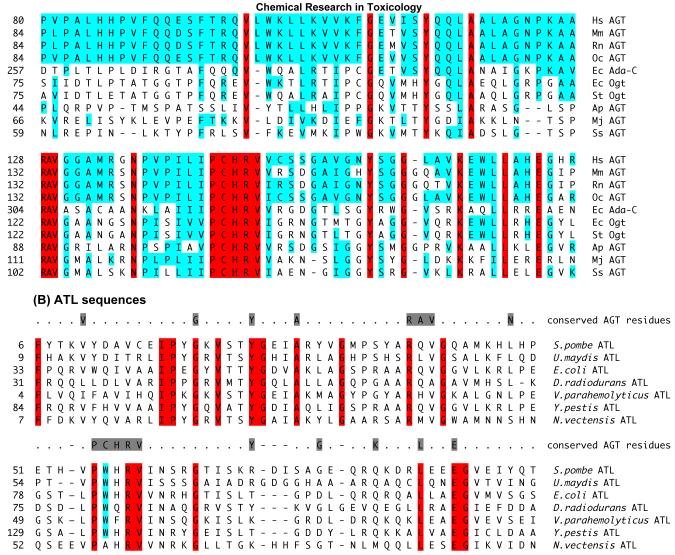
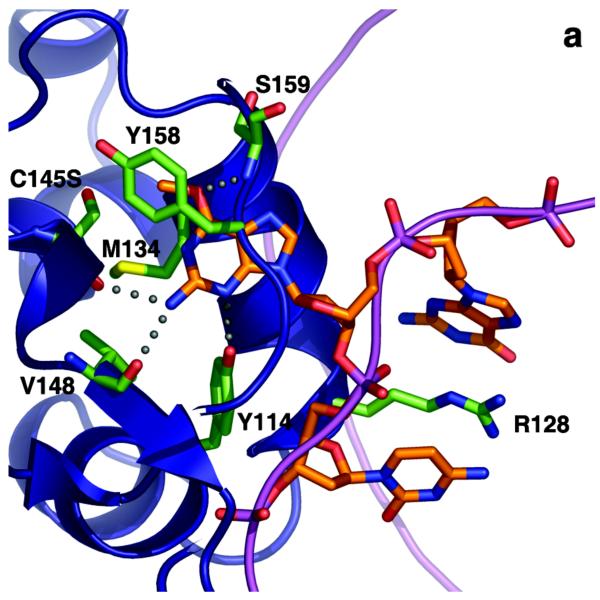
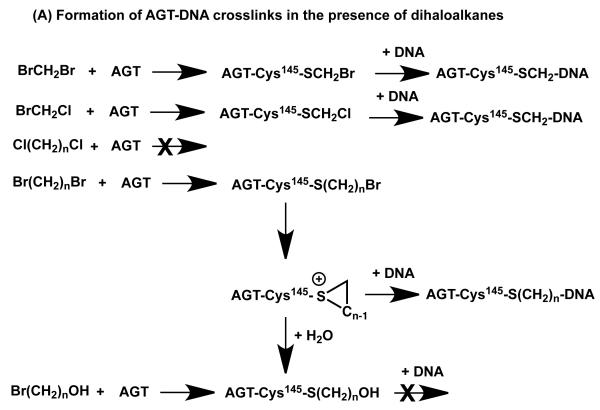
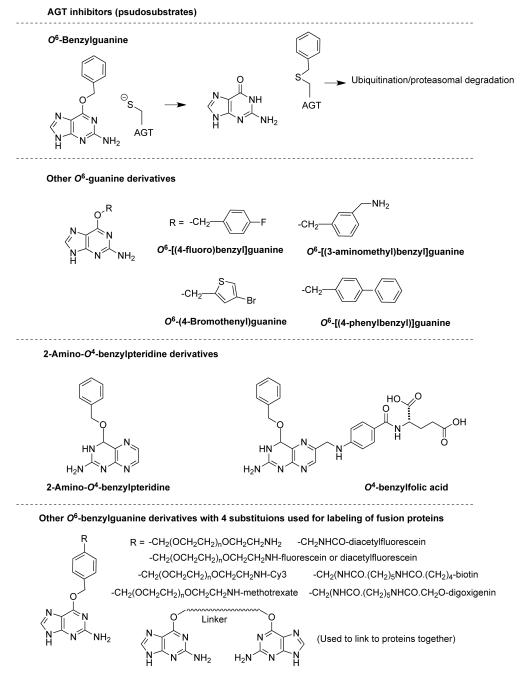
O(6)-Alkylguanine-DNA alkyltransferase (AGT) is a widely distributed, unique DNA repair protein that acts as a single agent to directly remove alkyl groups located on the O(6)-position of guanine from DNA restoring the DNA in one step. The protein acts only once, and its alkylated form is degraded rapidly. It is a major factor in counteracting the mutagenic, carcinogenic, and cytotoxic effects of agents that form such adducts including N-nitroso-compounds and a number of cancer chemotherapeutics. This review describes the structure, function, and mechanism of action of AGTs and of a family of related alkyltransferase-like proteins, which do not act alone to repair O(6)-alkylguanines in DNA but link repair to other pathways. The paradoxical ability of AGTs to stimulate the DNA-damaging ability of dihaloalkanes and other bis-electrophiles via the formation of AGT-DNA cross-links is also described. Other important properties of AGTs include the ability to provide resistance to cancer therapeutic alkylating agents, and the availability of AGT inhibitors such as O(6)-benzylguanine that might overcome this resistance is discussed. Finally, the properties of fusion proteins in which AGT sequences are linked to other proteins are outlined. Such proteins occur naturally, and synthetic variants engineered to react specifically with derivatives of O(6)-benzylguanine are the basis of a valuable research technique for tagging proteins with specific reagents.
O(6)-烷基鸟嘌呤-DNA 烷基转移酶 (AGT) 是一种广泛分布的、独特的 DNA 修复蛋白,可作为单一试剂直接从 DNA 中去除位于鸟嘌呤 O(6)-位的烷基,一步恢复 DNA。该蛋白仅作用一次,其烷基化形式会迅速降解。它是对抗形成此类加合物的诱变剂、致癌剂和细胞毒性剂的主要因素,包括 N-亚硝化合物和许多癌症化疗药物。本综述描述了 AGTs 及其相关的烷基转移酶样蛋白家族的结构、功能和作用机制,这些蛋白家族不单独作用于修复 DNA 中的 O(6)-烷基鸟嘌呤,而是将修复与其他途径联系起来。AGT 能够通过形成 AGT-DNA 交联来刺激二卤代烷和其他双亲电子试剂的 DNA 损伤能力,这也是一个矛盾的能力。AGT 的其他重要特性包括提供对癌症治疗性烷化剂的抗性的能力,以及 O(6)-苯甲基鸟嘌呤等 AGT 抑制剂的可用性,这些抑制剂可能会克服这种抗性。最后,概述了与其他蛋白连接的 AGT 序列的融合蛋白的特性。这些天然存在的融合蛋白,以及为与 O(6)-苯甲基鸟嘌呤衍生物特异性反应而设计的合成变体,是用特定试剂标记蛋白的一种有价值的研究技术的基础。