Center for Management of Complex Chronic Care, Hines VA Medical Center, Hines, IL,USA.
BMC Public Health. 2011 Apr 11;11:223. doi: 10.1186/1471-2458-11-223.
Obese adults struggle to make the changes necessary to achieve even modest weight loss, though a decrease in weight by as little as 10% can have significant health benefits. Failure to meet weight loss goals may in part be associated with barriers to obesity treatment. Wide-spread dissemination of evidence-based obesity treatment faces multiple challenges including cost, access, and implementing the programmatic characteristics on a large scale.
The PDA+: A Personal Digital Assistant for Obesity Treatment randomized controlled trial (RCT) was designed to test whether a PDA-based behavioral intervention enhances the effectiveness of the existing group weight loss treatment program at VA Medical Centers Managing Overweight/Obese Veterans Everywhere (MOVE!). We also aim to introduce technology as a way to overcome systemic barriers of traditional obesity treatment.
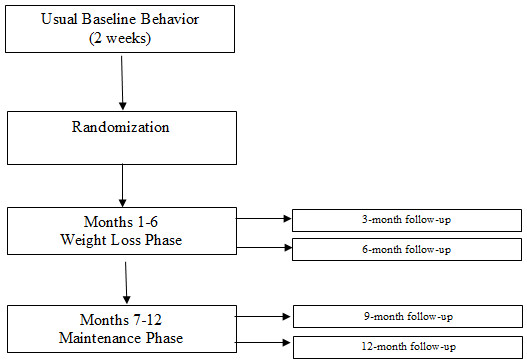
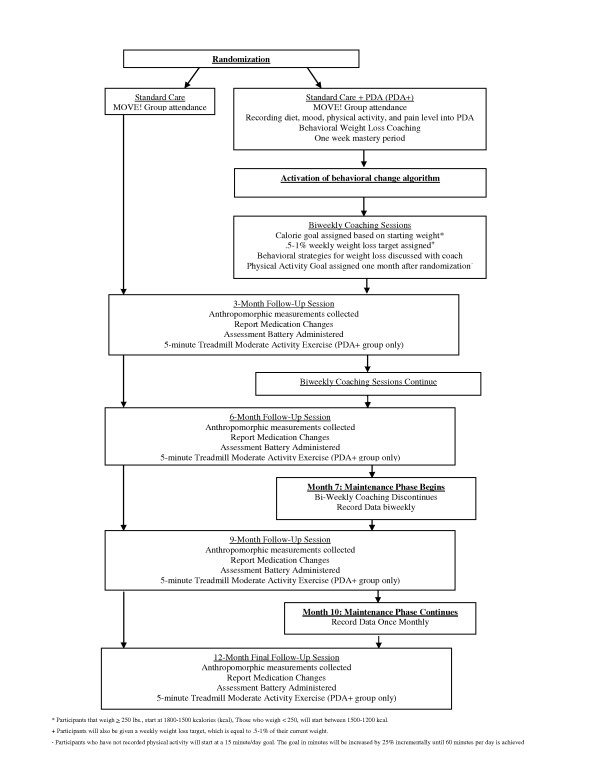
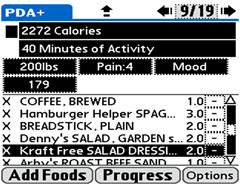
METHODS/DESIGN: Veterans enrolled in the MOVE! group at the Hines Hospital VAMC with BMI ≥ 25 and ≤ 40 and weigh < 400 pounds, experience chronic pain (≥ 4 on the NRS-I scale for ≥ 6 months prior to enrollment) and are able to participate in a moderate intensity exercise program will be recruited and screened for eligibility. Participants will be randomized to receive either: a) MOVE! treatment alone (Standard Care) or b) Standard Care plus PDA (PDA+). Those randomized to PDA+ will record dietary intake, physical activity, and weight on the PDA. In addition, they will also record mood and pain intensity, and receive biweekly telephone support for the first 6-months of the 12-month study. All participants will attend in-person lab sessions every three months to complete questionnaires and for the collection of anthropomorphic data. Weight loss and decrease in pain level intensity are the primary outcomes.
The PDA+ trial represents an important step in understanding ways to improve the use of technology in obesity treatment. The trial will address barriers to obesity care by implementing effective behavioral components of a weight loss intervention and delivering high intensity, low cost obesity treatment. This RCT also tests an intervention approach supported by handheld technology in a population traditionally considered to have lower levels of technology literacy.
ClinicalTrials.gov: NCT00371462.
肥胖成年人在实现适度减重方面都面临困难,尽管体重减轻 10%就可能对健康带来显著益处。未能实现减肥目标可能部分与肥胖治疗障碍有关。广泛传播基于证据的肥胖治疗面临多重挑战,包括成本、获取途径以及大规模实施方案特征。
PDA+:肥胖治疗个人数字助理的随机对照试验(RCT)旨在检验基于 PDA 的行为干预是否可增强退伍军人医疗保健系统管理超重/肥胖退伍军人无处不在(MOVE!)项目中现有团体减肥治疗的效果。我们还旨在引入技术,以克服传统肥胖治疗的系统障碍。
方法/设计:在海恩斯医院退伍军人事务医疗中心(VAMC),BMI≥25 且≤40、体重<400 磅、患有慢性疼痛(NRS-I 量表≥4 分且在入组前≥6 个月)且能够参加中等强度运动项目的 MOVE!参与者将被招募并筛选是否符合条件。参与者将被随机分配接受以下两种治疗之一:a)仅接受 MOVE!治疗(标准护理)或 b)标准护理加 PDA(PDA+)。随机分配到 PDA+的参与者将在 PDA 上记录饮食摄入、体力活动和体重。此外,他们还将记录情绪和疼痛强度,并在研究的前 6 个月内每两周接受一次电话支持。所有参与者将每三个月参加一次现场实验室会议,以完成问卷调查并收集人体测量数据。减重和疼痛强度降低是主要结局。
PDA+试验代表着理解如何提高肥胖治疗中技术应用的重要一步。该试验将通过实施减肥干预的有效行为成分和提供高强度、低成本的肥胖治疗来解决肥胖护理障碍。该 RCT 还在一个传统上被认为技术素养较低的人群中检验了一种基于手持技术的干预方法。
ClinicalTrials.gov:NCT00371462。