Plant Molecular Sciences, School of Biological Sciences, University of Auckland, Private Bag 92019, Auckland, New Zealand.
BMC Biotechnol. 2011 Apr 11;11:36. doi: 10.1186/1472-6750-11-36.
The ability to induce flowering on demand is of significant biotechnological interest. FT protein has been recently identified as an important component of the mobile flowering hormone, florigen, whose function is conserved across the plant kingdom. We therefore focused on manipulation of both endogenous and heterologous FT genes to develop a floral induction system where flowering would be inhibited until it was induced on demand. The concept was tested in the model plant Arabidopsis thaliana (Arabidopsis).
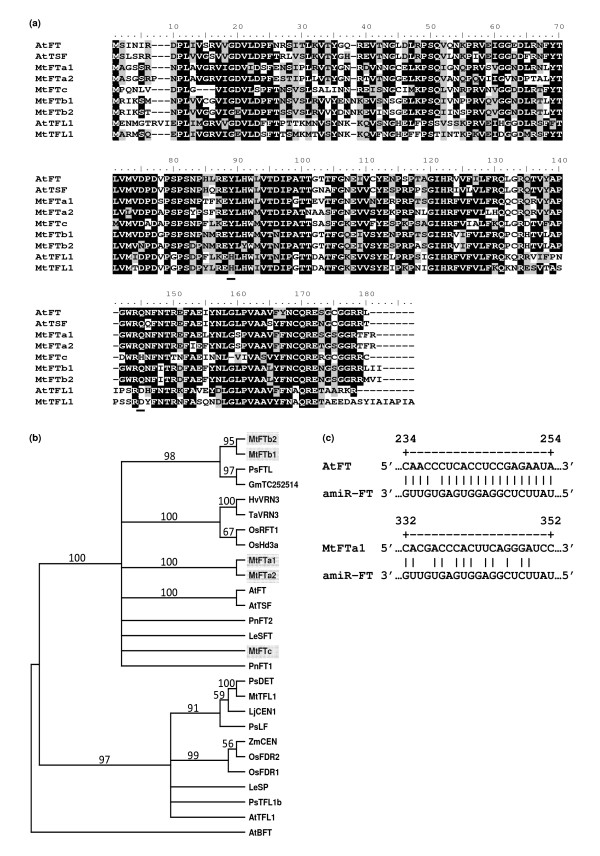
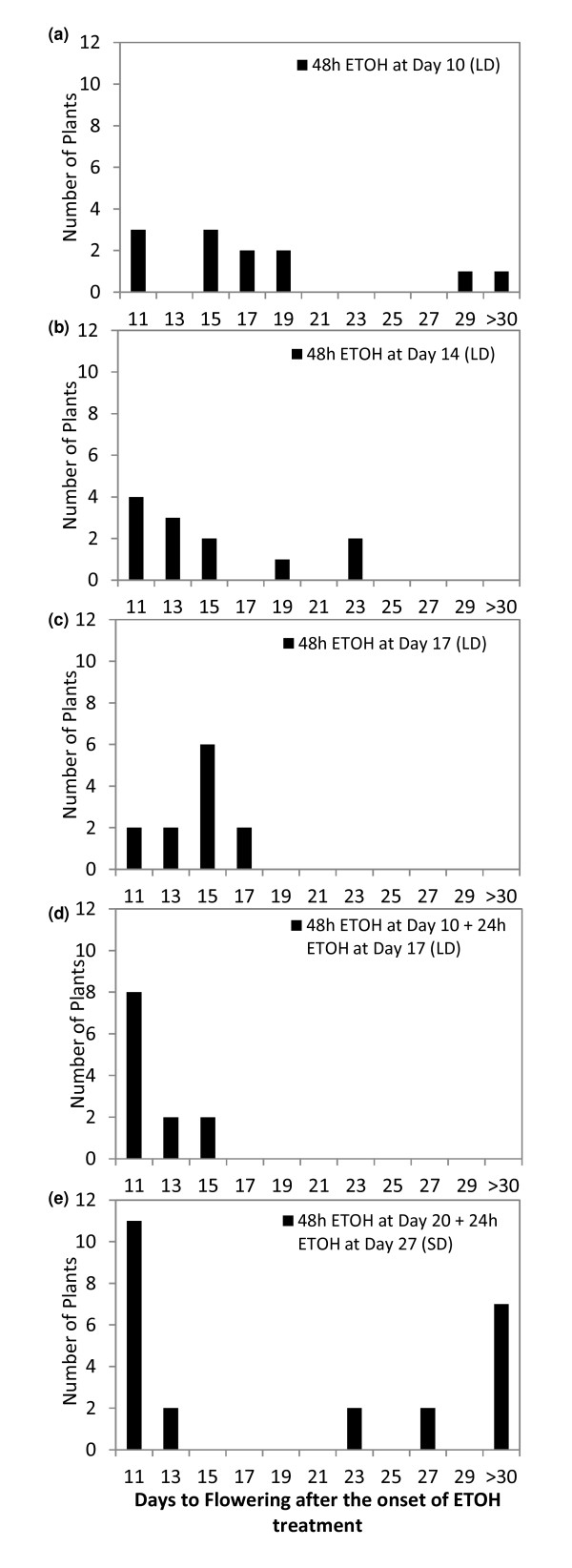
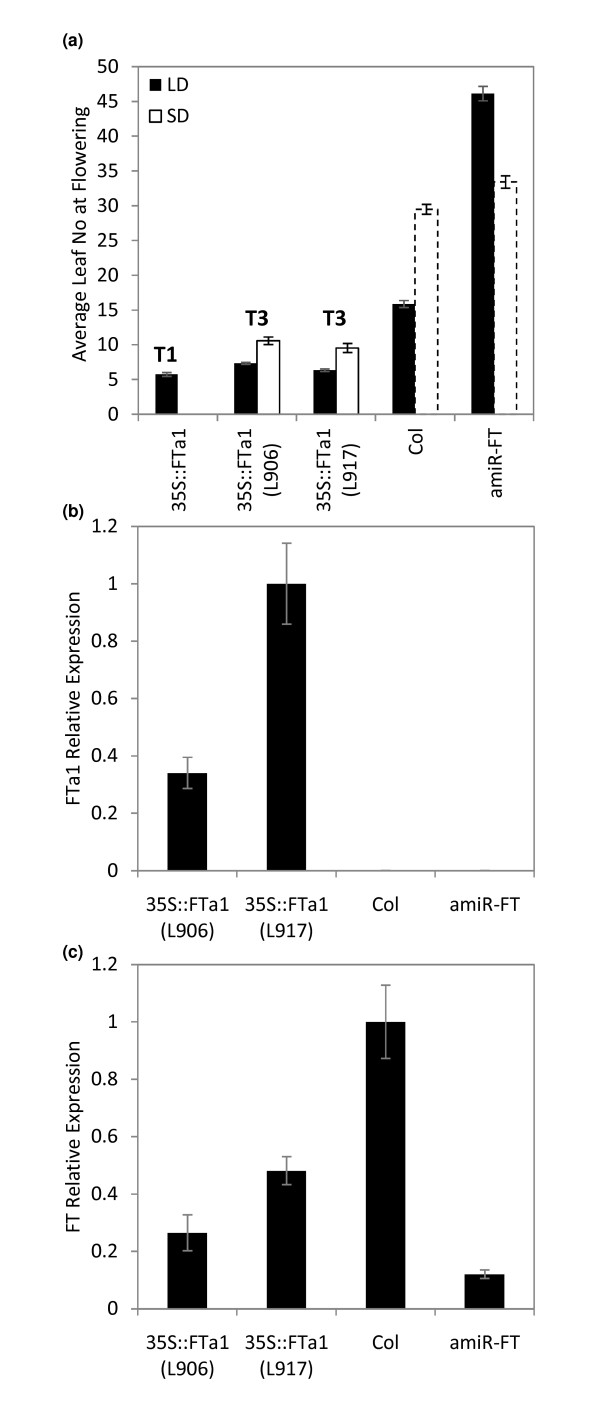
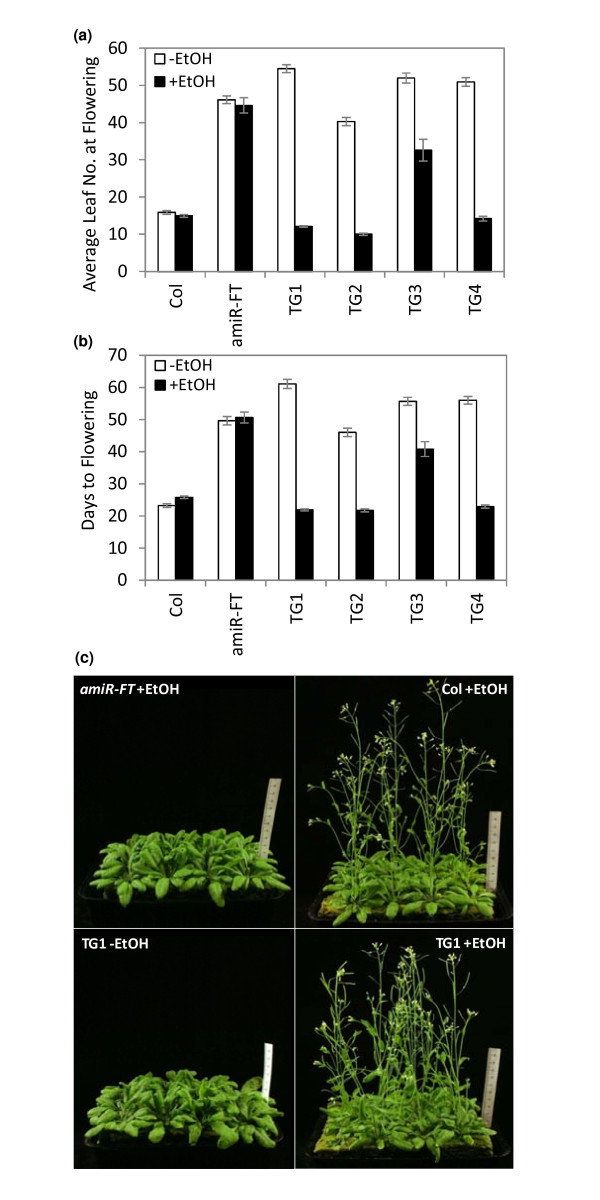
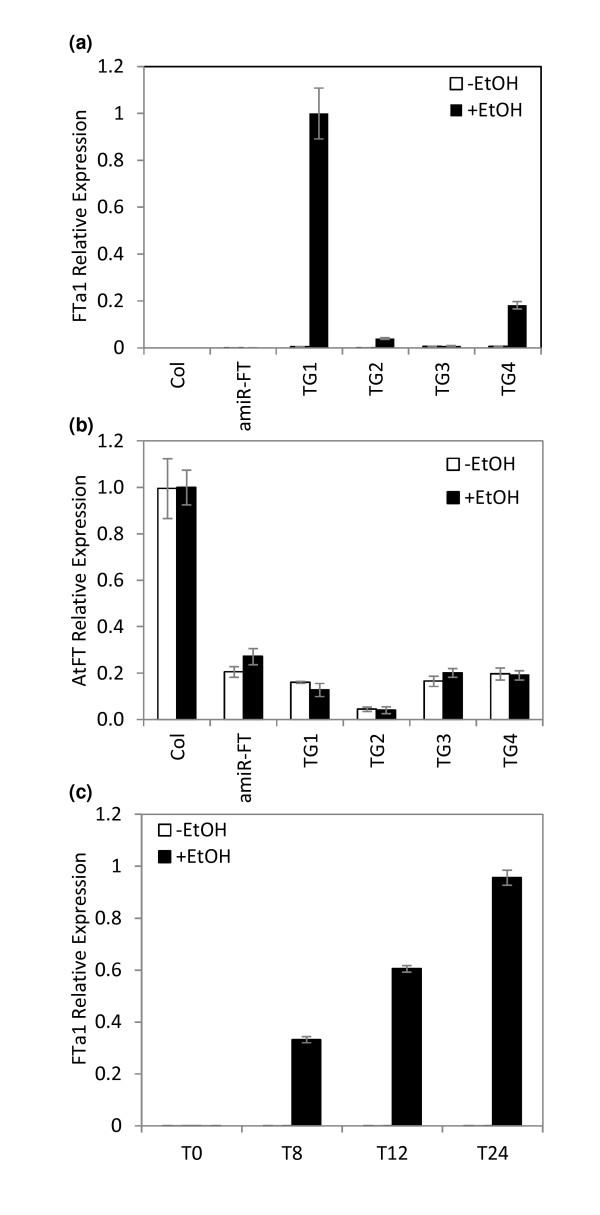
Our starting point was plants with strongly delayed flowering due to silencing of FT with an artificial microRNA directed at FT (amiR-FT) 1. First, we showed that constitutive expression of a heterologous FT gene (FTa1), from the model legume Medicago truncatula, (Medicago) was able to rescue the amiR-FT late-flowering phenotype. In order to induce flowering in a controlled way, the FTa1 gene was then expressed under the control of an alcohol-inducible promoter in the late flowering amiR-FT plants. Upon exposure to ethanol, FTa1 was rapidly up regulated and this resulted in the synchronous induction of flowering.
We have thus demonstrated a controlled-inducible flowering system using a novel combination of endogenous and heterologous FT genes. The universal florigenic nature of FT suggests that this type of system should be applicable to crops of economic value where flowering control is desirable.
按需诱导开花的能力具有重要的生物技术意义。FT 蛋白最近被确定为移动开花激素 florigen 的重要组成部分,其功能在植物界中是保守的。因此,我们专注于操纵内源性和异源 FT 基因,以开发一种花卉诱导系统,其中开花将被抑制,直到按需诱导。该概念在模式植物拟南芥(Arabidopsis)中进行了测试。
我们的起点是由于 FT 被人工 microRNA(amiR-FT)1 沉默而导致开花严重延迟的植物。首先,我们表明,来自模式豆科植物紫花苜蓿(Medicago truncatula)的异源 FT 基因(FTa1)的组成型表达能够挽救 amiR-FT 晚花表型。为了以可控的方式诱导开花,然后将 FTa1 基因在晚花 amiR-FT 植物中受酒精诱导启动子的控制下表达。暴露于乙醇后,FTa1 迅速上调,这导致开花的同步诱导。
我们使用内源性和异源 FT 基因的新型组合,展示了一种可控诱导开花系统。FT 的普遍成花性质表明,这种类型的系统应该适用于需要控制开花的经济价值作物。