Ella Institute of Melanoma, Sheba Medical Center, Tel Hashomer, Israel.
PLoS One. 2011 Apr 25;6(4):e18936. doi: 10.1371/journal.pone.0018936.
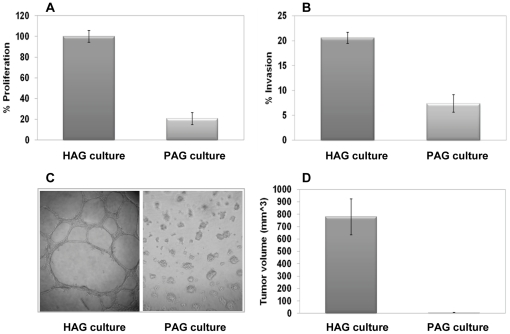
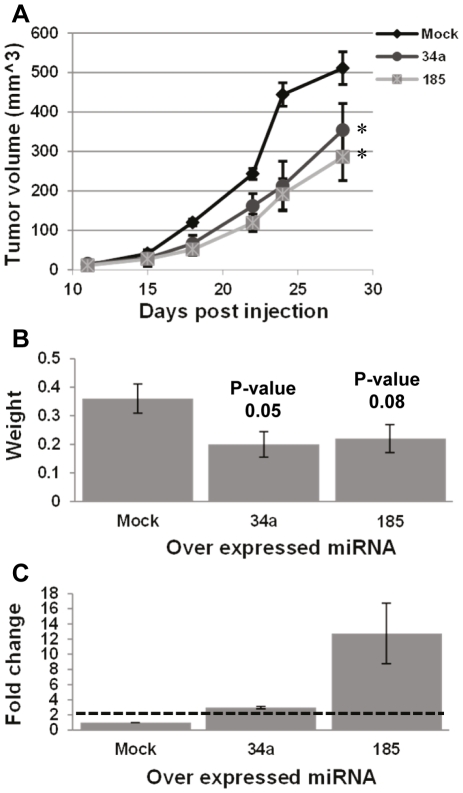
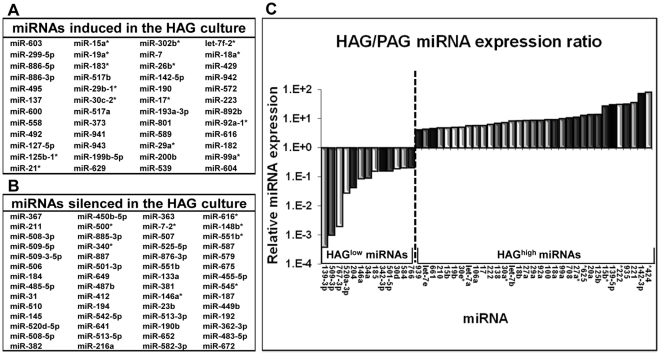
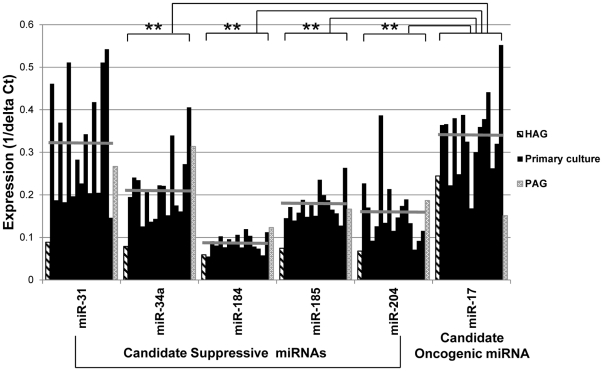
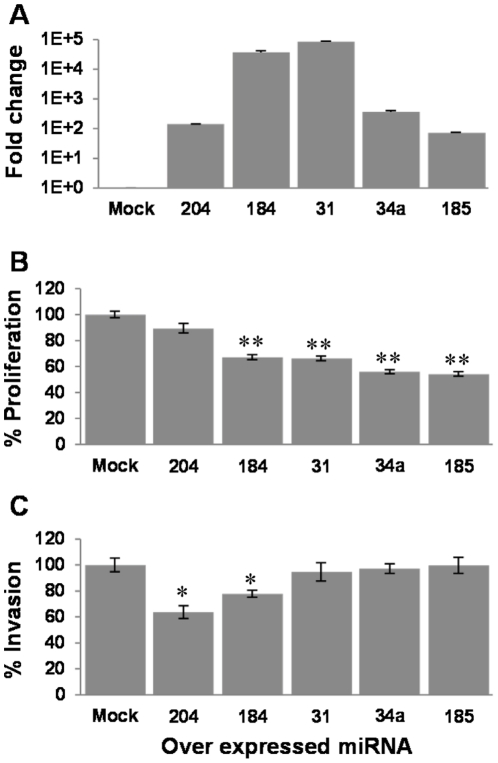
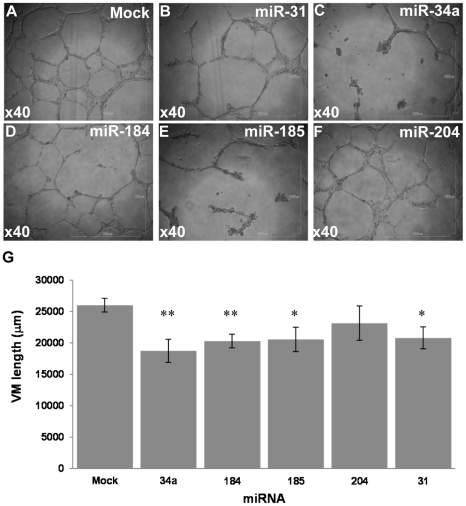
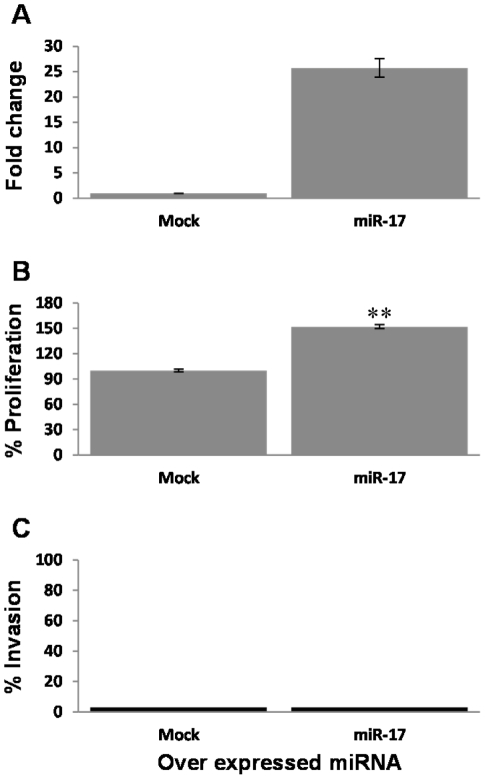
MicroRNAs (miRNAs) are small non-coding RNAs with regulatory roles, which are involved in a broad spectrum of physiological and pathological processes, including cancer. A common strategy for identification of miRNAs involved in cell transformation is to compare malignant cells to normal cells. Here we focus on identification of miRNAs that regulate the aggressive phenotype of melanoma cells. To avoid differences due to genetic background, a comparative high-throughput miRNA profiling was performed on two isogenic human melanoma cell lines that display major differences in their net proliferation, invasion and tube formation activities. This screening revealed two major cohorts of differentially expressed miRNAs. We speculated that miRNAs up-regulated in the more-aggressive cell line contribute oncogenic features, while the down-regulated miRNAs are tumor suppressive. This assumption was further tested experimentally on five candidate tumor suppressive miRNAs (miR-31, -34a, -184, -185 and -204) and on one candidate oncogenic miRNA (miR-17-5p), all of which have never been reported before in cutaneous melanoma. Remarkably, all candidate Suppressive-miRNAs inhibited net proliferation, invasion or tube formation, while miR-17-5p enhanced cell proliferation. miR-34a and miR-185 were further shown to inhibit the growth of melanoma xenografts when implanted in SCID-NOD mice. Finally, all six candidate miRNAs were detected in 15 different metastatic melanoma specimens, attesting for the physiological relevance of our findings. Collectively, these findings may prove instrumental for understanding mechanisms of disease and for development of novel therapeutic and staging technologies for melanoma.
微小 RNA(miRNAs)是具有调节作用的小非编码 RNA,参与广泛的生理和病理过程,包括癌症。鉴定参与细胞转化的 miRNAs 的常用策略是比较恶性细胞和正常细胞。在这里,我们专注于鉴定调节黑色素瘤细胞侵袭表型的 miRNAs。为避免因遗传背景差异而导致的差异,我们在两个具有不同增殖、侵袭和管状形成活性的同源人黑色素瘤细胞系上进行了高通量 miRNA 表达谱比较分析。该筛选揭示了两个主要的差异表达 miRNA 群。我们推测在侵袭性更强的细胞系中上调的 miRNAs 有助于促进肿瘤发生特征,而下调的 miRNAs 则具有肿瘤抑制作用。通过对五个候选肿瘤抑制性 miRNAs(miR-31、-34a、-184、-185 和 -204)和一个候选致癌性 miRNA(miR-17-5p)进行实验验证,进一步证实了这一假设。这些候选 miRNA 都从未在皮肤黑色素瘤中报道过。值得注意的是,所有候选抑制性 miRNAs 均抑制细胞增殖、侵袭或管状形成,而 miR-17-5p 则增强细胞增殖。miR-34a 和 miR-185 进一步显示在植入 SCID-NOD 小鼠时抑制黑色素瘤异种移植物的生长。最后,在 15 个不同转移性黑色素瘤标本中检测到所有六个候选 miRNAs,证明了我们发现的生理相关性。总之,这些发现可能有助于理解疾病机制,并为黑色素瘤的新型治疗和分期技术的发展提供依据。