Department of Pediatrics, University of California San Diego, La Jolla, California, United States of America.
PLoS One. 2011 Apr 27;6(4):e18713. doi: 10.1371/journal.pone.0018713.
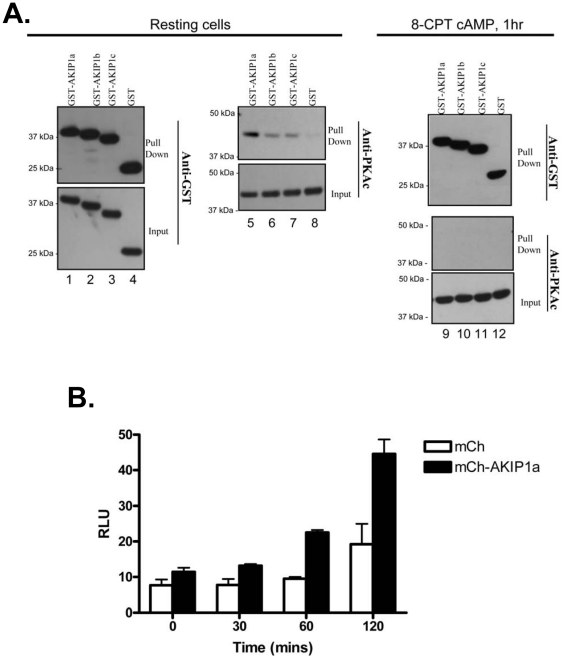
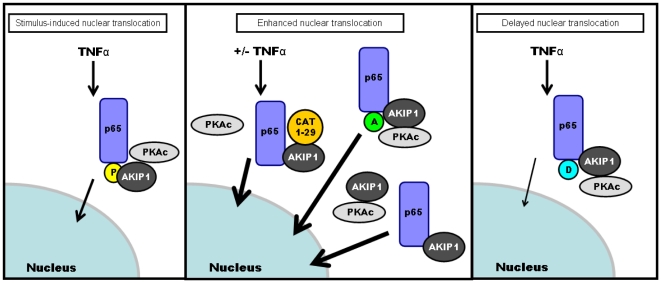
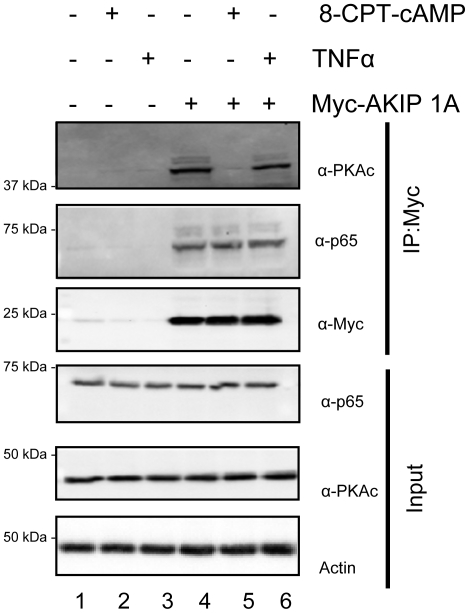
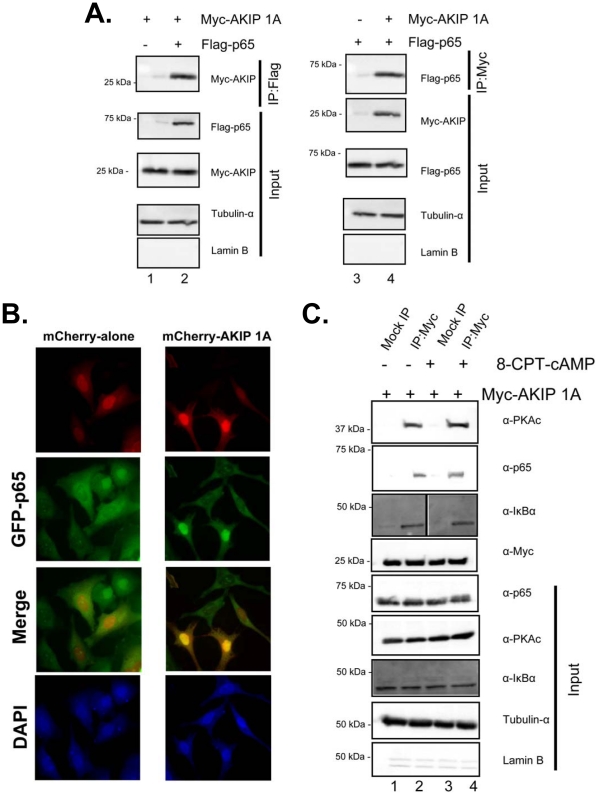
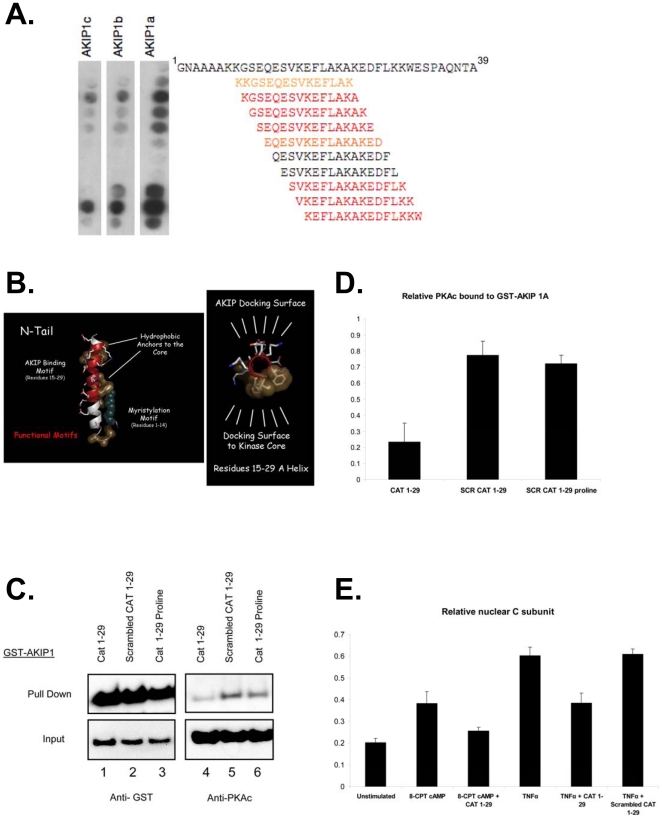
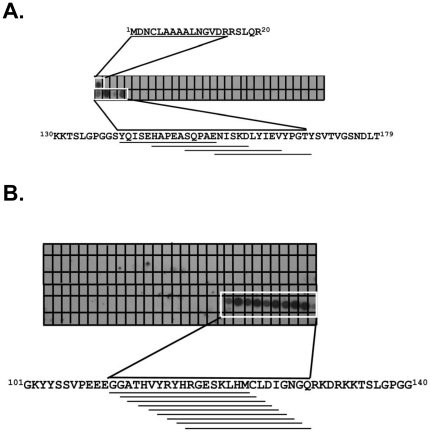
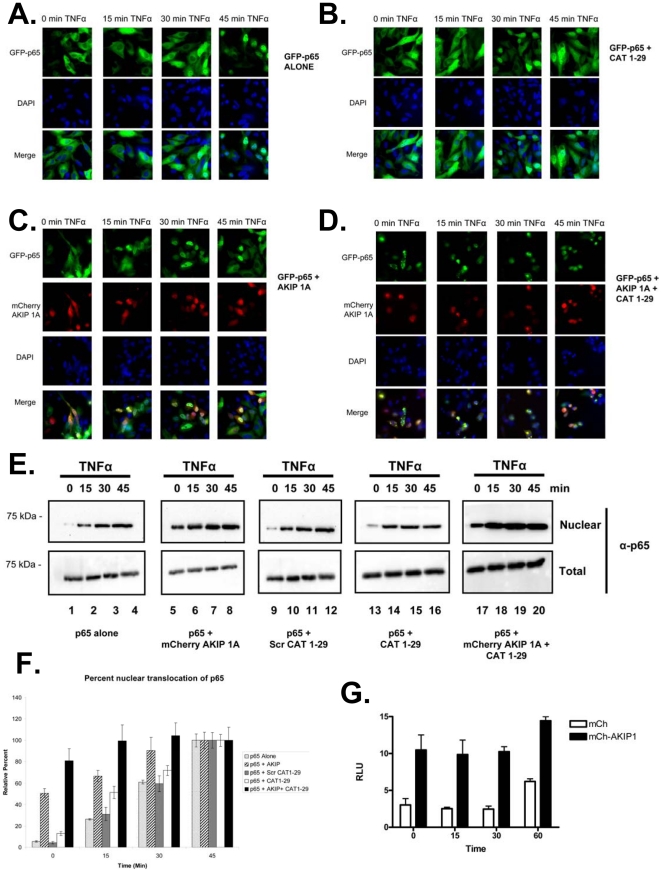
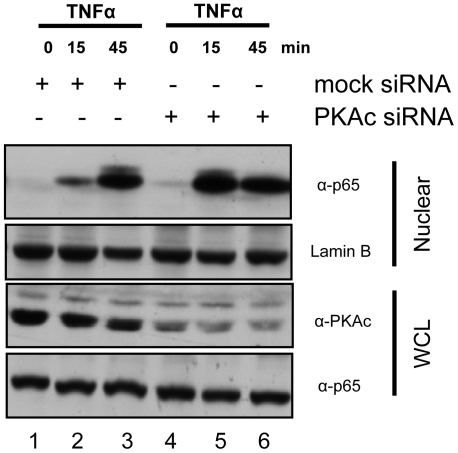
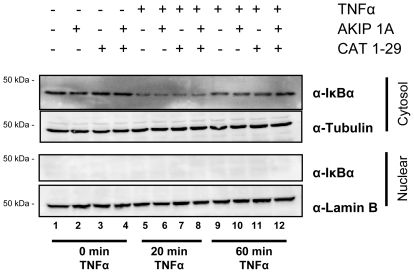
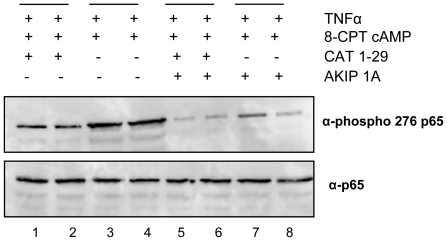
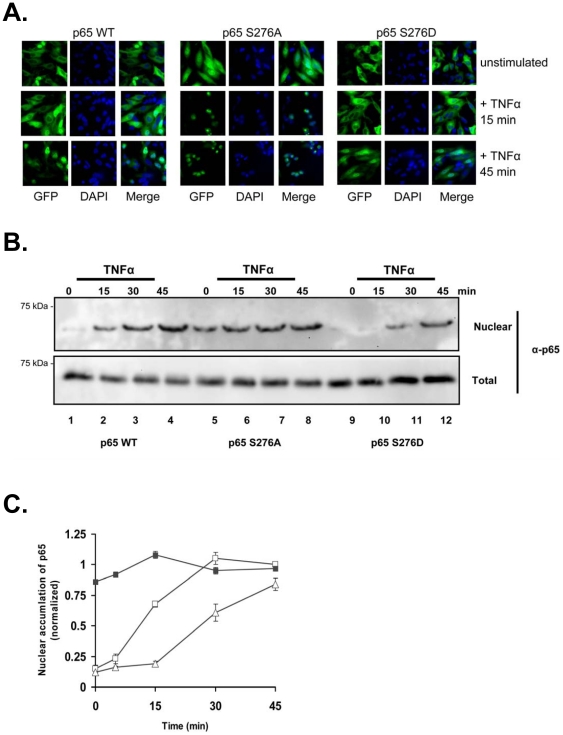
The mechanism of PKAc-dependent NF-κB activation and subsequent translocation into the nucleus is not well defined. Previously, we showed that A kinase interacting protein 1 (AKIP1) was important for binding and retaining PKAc in the nucleus. Since then, other groups have demonstrated that AKIP1 binds the p65 subunit of NF-κB and regulates its transcriptional activity through the phosphorylation at Ser 276 by PKAc. However, little is known about the formation and activation of the PKAc/AKIP1/p65 complex and the rate at which it enters the nucleus. Initially, we found that the AKIP1 isoform (AKIP 1A) simultaneously binds PKAc and p65 in resting and serum starved cells. Using peptide arrays, we refined the region of AKIP 1A binding on PKAc and mapped the non-overlapping regions on AKIP 1A where PKAc and p65 bind. A peptide to the amino-terminus of PKAc (CAT 1-29) was generated to specifically disrupt the interaction between AKIP 1A and PKAc to study nuclear import of the complex. The rate of p65 nuclear translocation was monitored in the presence or absence of overexpressed AKIP 1A and/or (CAT 1-29). Enhanced nuclear translocation of p65 was observed in the presence of overexpressed AKIP1 and/or CAT 1-29 in cells stimulated with TNFα, and this correlated with decreased phosphorylation of serine 276. To determine whether PKAc phosphorylation of p65 in the cytosol regulated nuclear translocation, serine 276 was mutated to alanine or aspartic acid. Accelerated nuclear accumulation of p65 was observed in the alanine mutant, while the aspartic acid mutation displayed slowed nuclear translocation kinetics. In addition, enhanced nuclear translocation of p65 was observed when PKAc was knocked-down by siRNA. Taken together, these results suggest that AKIP 1A acts to scaffold PKAc to NF-κB in the cytosol by protecting the phosphorylation site and thereby regulating the rate of nuclear translocation of p65.
PKAc 依赖性 NF-κB 激活及其随后向核内易位的机制尚未完全明确。此前,我们发现 AKIP1(激酶相互作用蛋白 1)对于将 PKAc 保留在核内具有重要作用。从那时起,其他研究小组已经证明,AKIP1 与 NF-κB 的 p65 亚基结合,并通过 PKAc 对丝氨酸 276 的磷酸化来调节其转录活性。然而,对于 PKAc/AKIP1/p65 复合物的形成和激活及其进入核内的速度知之甚少。最初,我们发现 AKIP1 同工型(AKIP1A)在静止和血清饥饿的细胞中同时与 PKAc 和 p65 结合。使用肽阵列,我们细化了 AKIP1A 与 PKAc 的结合区域,并确定了 AKIP1A 上与 PKAc 和 p65 结合的非重叠区域。生成了针对 PKAc 氨基末端的肽(CAT1-29),以专门破坏 AKIP1A 与 PKAc 之间的相互作用,从而研究复合物的核内导入。在存在或不存在过表达的 AKIP1A 和/或(CAT1-29)的情况下,监测 p65 向核内易位的速度。在 TNFα 刺激下,过表达的 AKIP1 和/或 CAT1-29 的存在促进了 p65 的核内易位,这与丝氨酸 276 的磷酸化减少相关。为了确定细胞质中 PKAc 对 p65 的磷酸化是否调节核内易位,将丝氨酸 276 突变为丙氨酸或天冬氨酸。在丙氨酸突变体中观察到 p65 的核内积累加速,而天冬氨酸突变体显示核内易位动力学减慢。此外,当通过 siRNA 敲低 PKAc 时,观察到 p65 的核内易位增强。总之,这些结果表明,AKIP1A 通过保护磷酸化位点,在细胞质中将 PKAc 与 NF-κB 支架在一起,从而调节 p65 的核内易位速度。