School of Optometry, The Hong Kong Polytechnic University, Kowloon, Hong Kong.
The State Key Laboratory of Brain and Cognitive Sciences, The University of Hong Kong, Pok Fu Lam, Hong Kong.
Aging Cell. 2022 Mar;21(3):e13566. doi: 10.1111/acel.13566. Epub 2022 Feb 11.
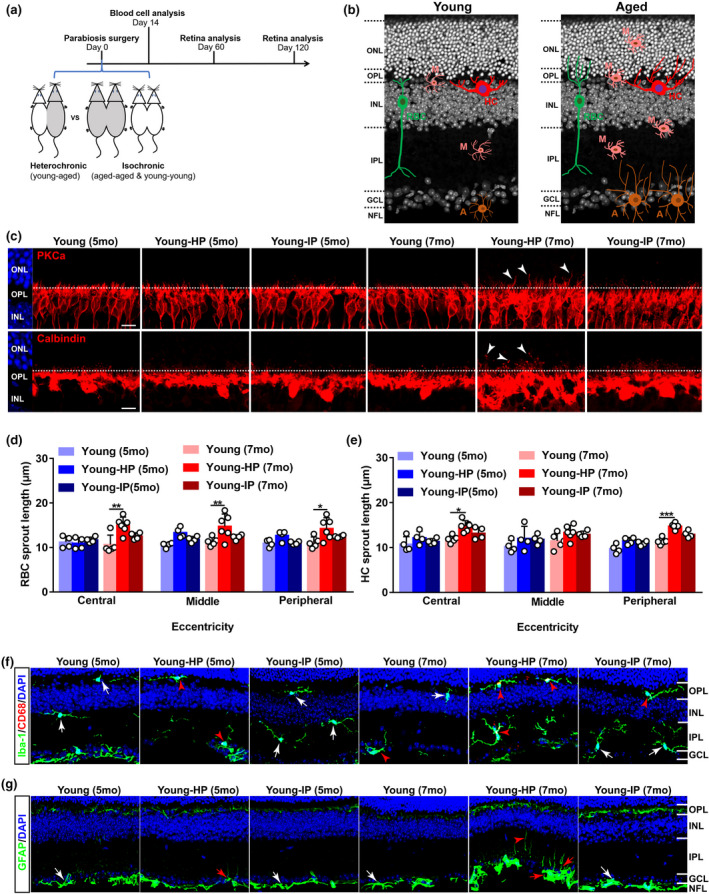
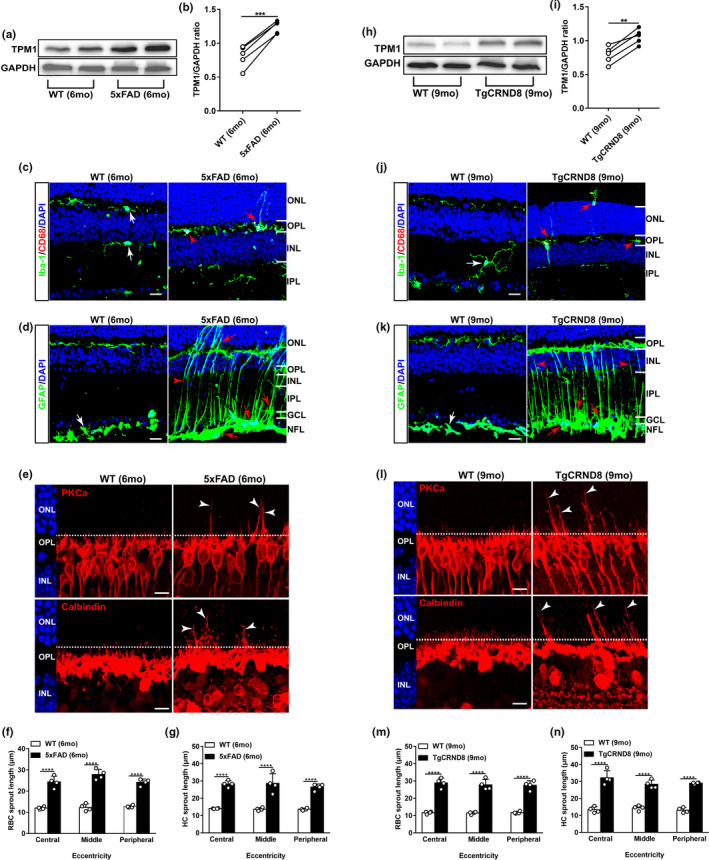
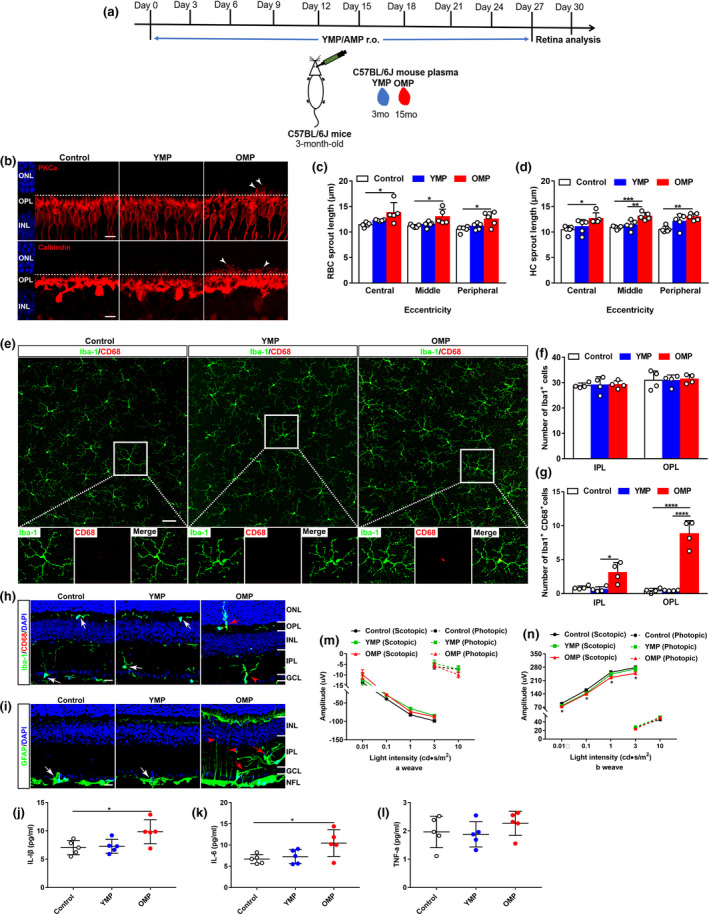
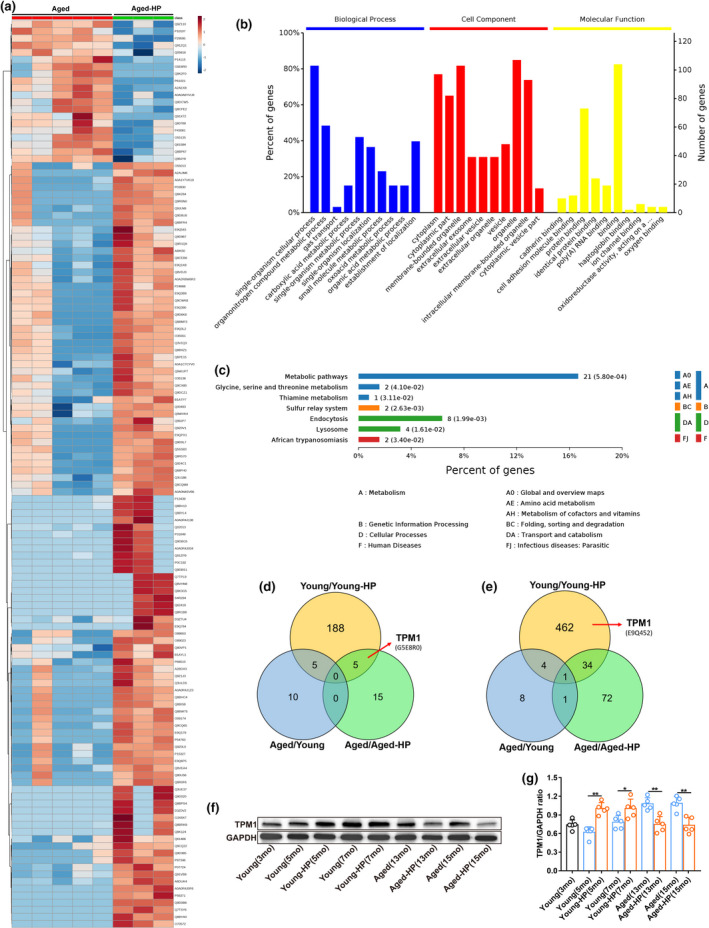
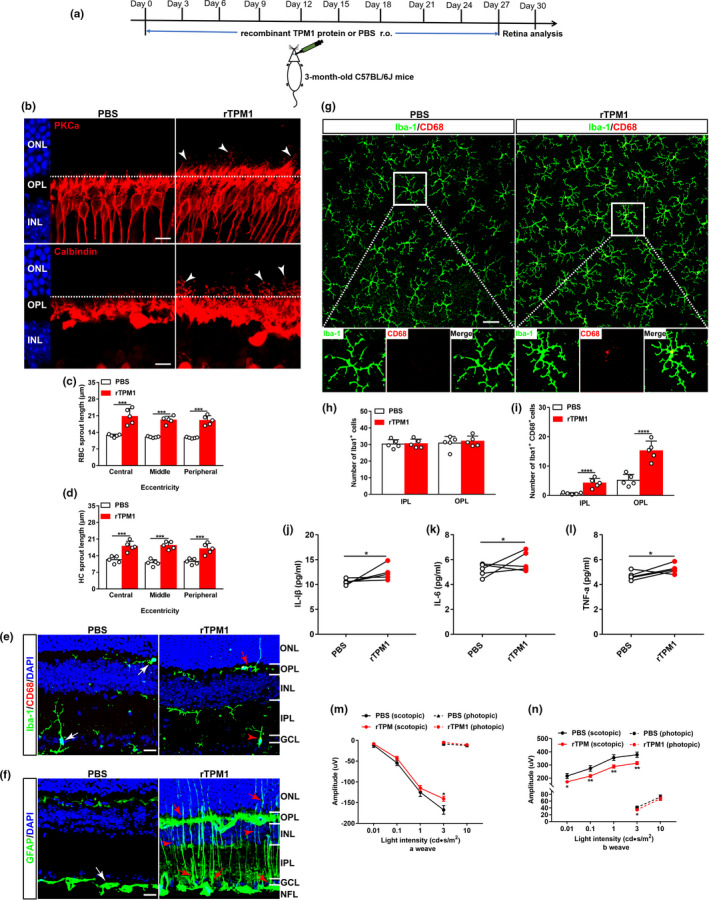
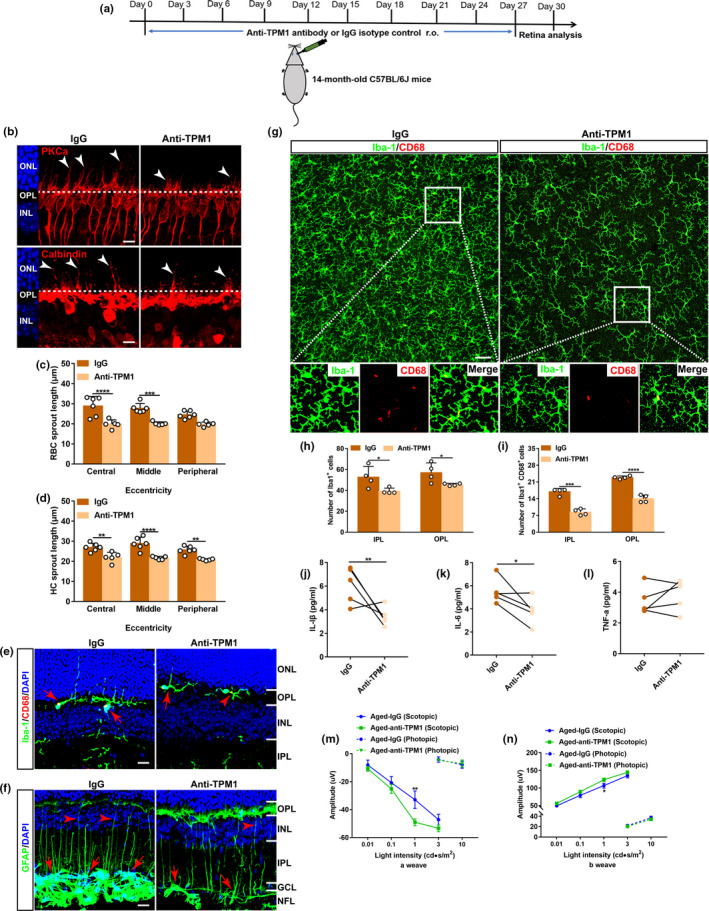
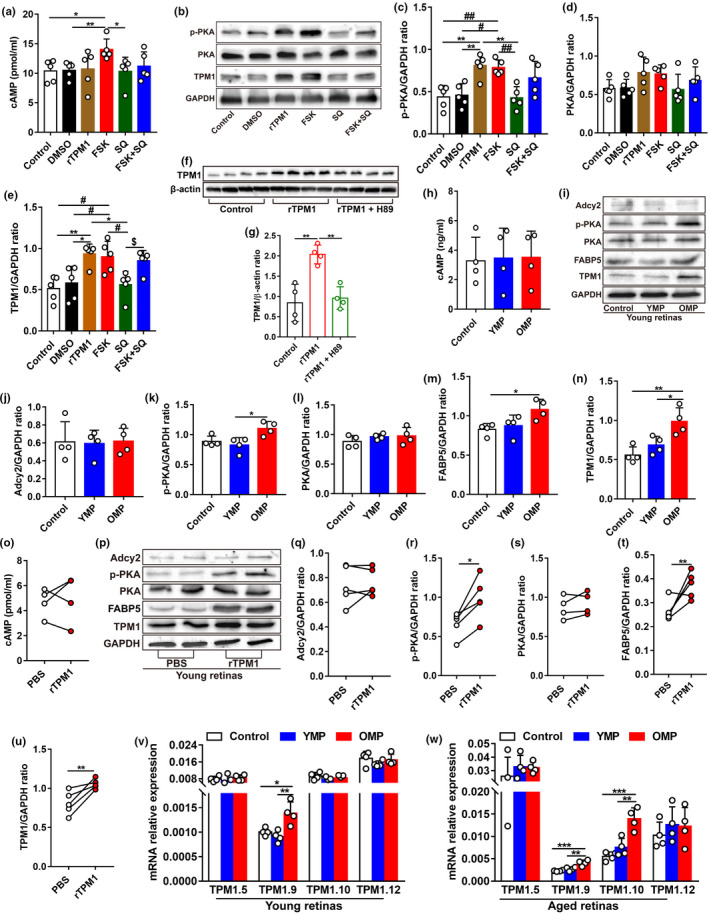
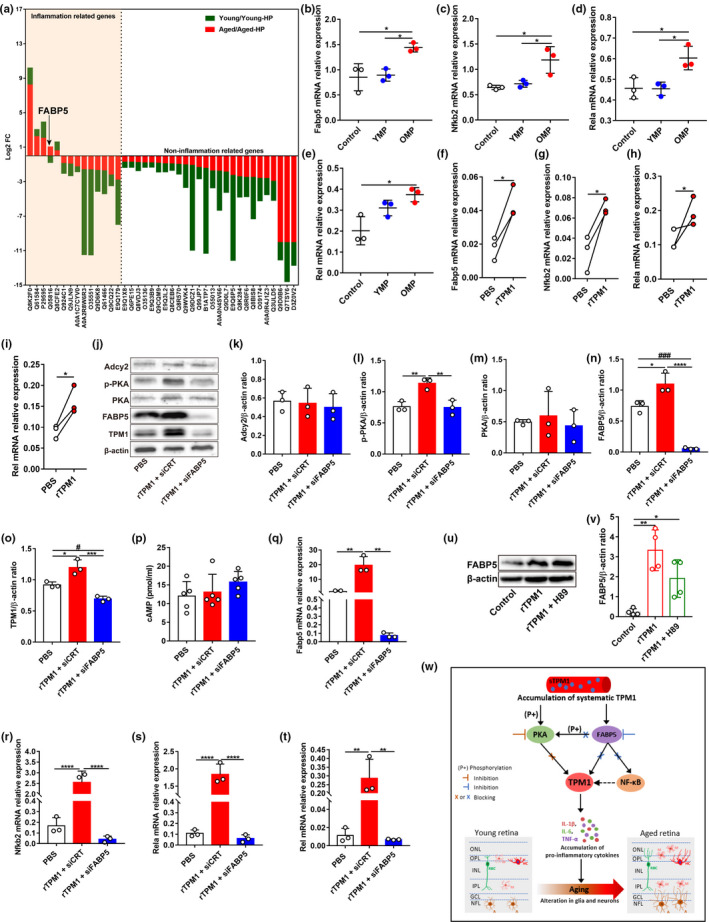
The molecular mechanisms underlying functional decline during normal brain aging are poorly understood. Here, we identified the actin-associated protein tropomyosin 1 (TPM1) as a new systemic pro-aging factor associated with function deficits in normal aging retinas. Heterochronic parabiosis and blood plasma treatment confirmed that systemic factors regulated age-related inflammatory responses and the ectopic dendritic sprouting of rod bipolar (RBC) and horizontal (HC) cells in the aging retina. Proteomic analysis revealed that TPM1 was a potential systemic molecule underlying structural and functional deficits in the aging retina. Recombinant TPM1 protein administration accelerated the activation of glial cells, the dendritic sprouting of RBCs and HCs and functional decline in the retina of young mice, whereas anti-TPM1 neutralizing antibody treatment ameliorated age-related structural and function changes in the retina of aged mice. Old mouse plasma (OMP) induced glial cell activation and the dendritic outgrowth of RBCs and HCs in young mice, and yet TMP1-depleted OMP failed to reproduce the similar effect in young mice. These results confirmed that TPM1 was a systemic pro-aging factor. Moreover, we demonstrated that systematic TPM1 was an immune-related molecule, which elicited endogenous TPM1 expression and inflammation by phosphorylating PKA and regulating FABP5/NF-κB signaling pathway in normal aging retinas. Interestingly, we observed TPM1 upregulation and the ectopic dendritic sprouting of RBCs and HCs in young mouse models of Alzheimer's disease, indicating a potential role of TPM1 in age-related neurodegenerative diseases. Our data indicate that TPM1 could be targeted for combating the aging process.
在正常大脑衰老过程中,功能下降的分子机制尚不清楚。在这里,我们确定了肌动蛋白相关蛋白原肌球蛋白 1(TPM1)是一种新的全身性促衰老因子,与正常衰老视网膜的功能缺陷有关。异时联体和血浆处理证实,系统性因素调节与年龄相关的炎症反应以及衰老视网膜中杆状双极(RBC)和水平(HC)细胞的异位树突状发芽。蛋白质组学分析表明,TPM1 是潜在的系统性分子,可导致衰老视网膜的结构和功能缺陷。重组 TPM1 蛋白给药加速了年轻小鼠视网膜中神经胶质细胞的激活、RBC 和 HC 的树突状发芽以及功能下降,而抗 TPM1 中和抗体治疗改善了老年小鼠视网膜的与年龄相关的结构和功能变化。老年鼠血浆(OMP)诱导年轻小鼠中神经胶质细胞的激活以及 RBC 和 HC 的树突状生长,而 TMP1 耗尽的 OMP 未能在年轻小鼠中再现类似的作用。这些结果证实了 TPM1 是一种全身性促衰老因子。此外,我们证明了系统性 TPM1 是一种免疫相关分子,通过在正常衰老的视网膜中磷酸化 PKA 并调节 FABP5/NF-κB 信号通路,可引发内源性 TPM1 表达和炎症。有趣的是,我们在阿尔茨海默病的年轻小鼠模型中观察到 TPM1 的上调和 RBC 和 HC 的异位树突状发芽,表明 TPM1 在与年龄相关的神经退行性疾病中具有潜在作用。我们的数据表明,TPM1 可能是对抗衰老过程的靶标。