Li Xiaoling, Akhtar Suhail, Kovacs Elizabeth J, Gamelli Richard L, Choudhry Mashkoor A
Department of Surgery, Loyola University Chicago Medical Center, Maywood, Illinois, USA.
J Burn Care Res. 2011 Jul-Aug;32(4):489-97. doi: 10.1097/BCR.0b013e3182223c9e.
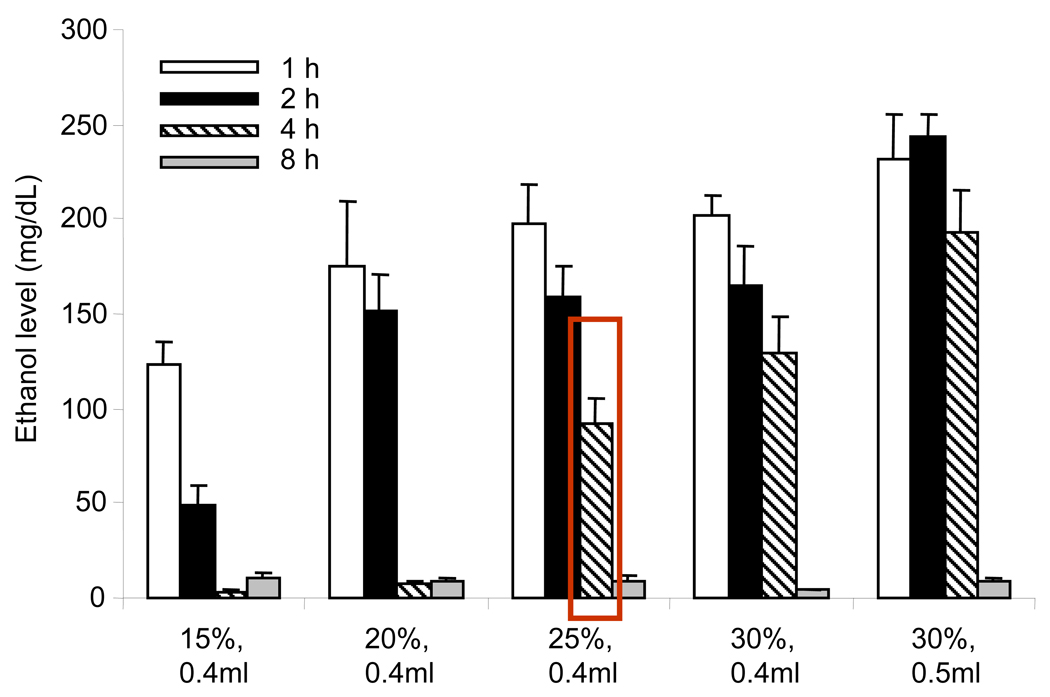
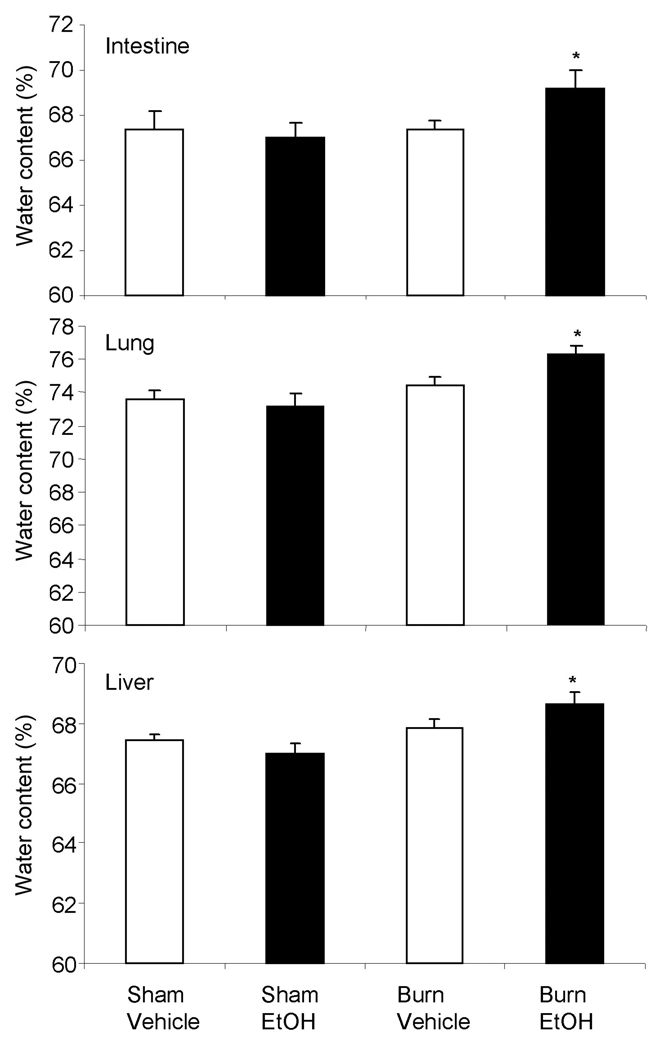
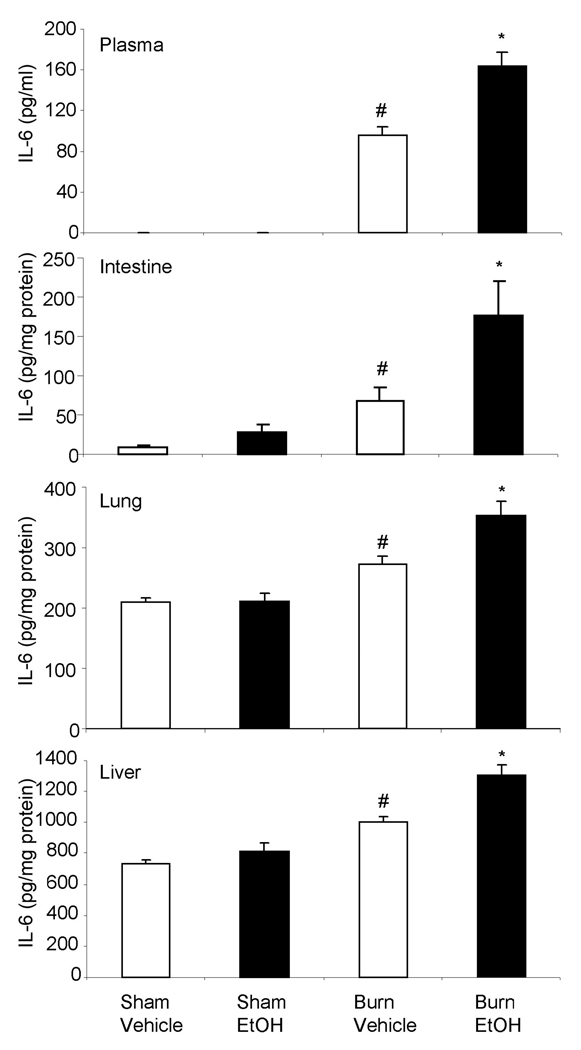
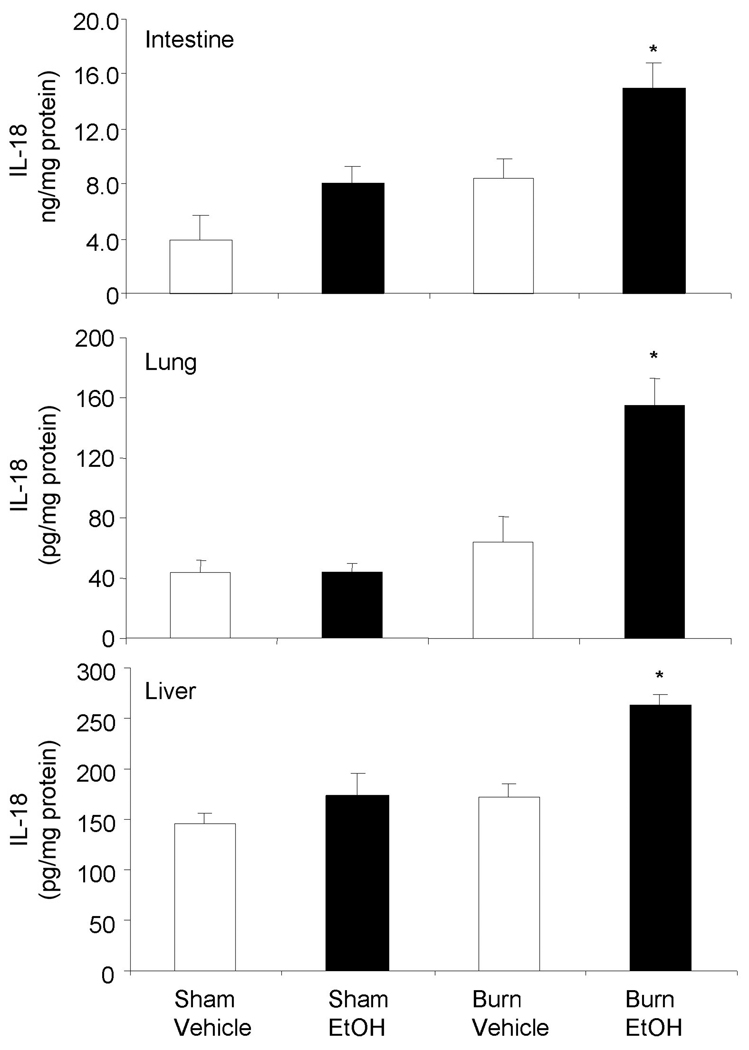
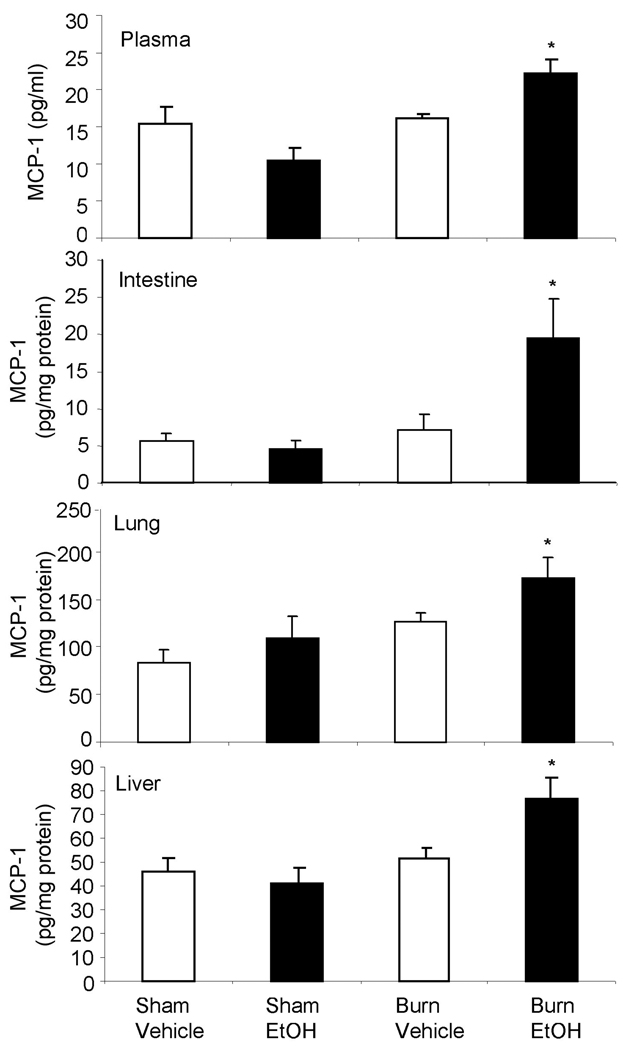
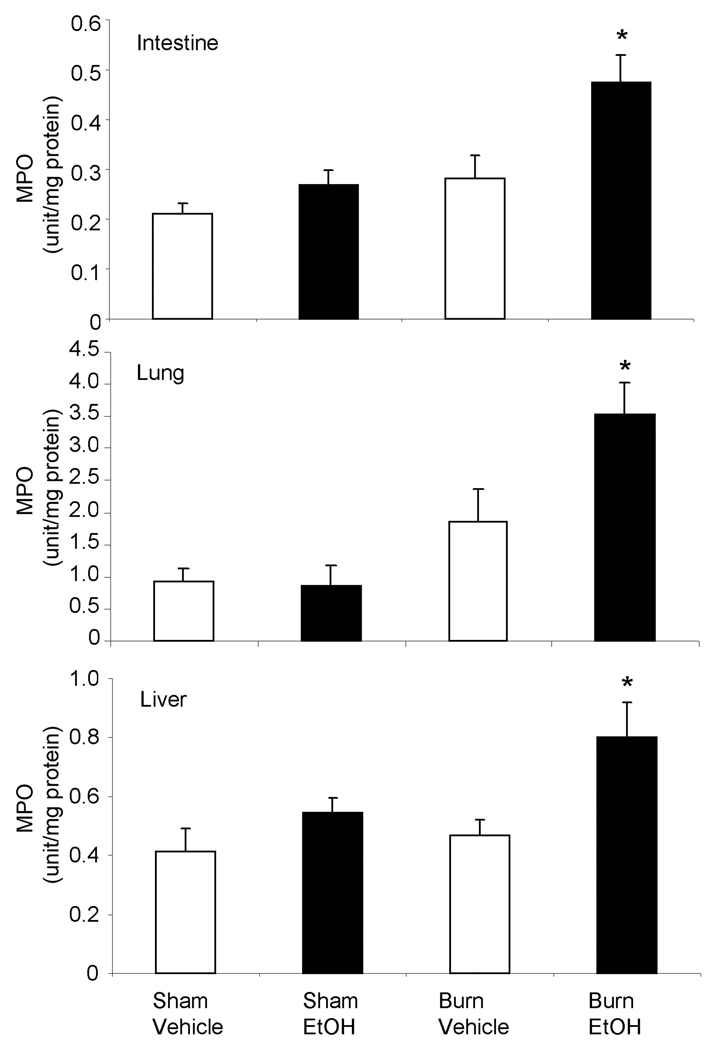
This study characterized the inflammatory response after burn injury and determined whether ethanol (EtOH) intoxication at the time of burn injury influences this response. To accomplish this, male mice were gavaged with EtOH (2.9 g/kg) 4 hours before 12 to 15% TBSA sham or burn injury. Mice were killed on day 1 after injury; blood, small intestine, lung, and liver were collected to measure interleukin (IL)-6, IL-10, IL-18, and Monocyte chemotactic protein-1 (MCP-1) levels. In addition, neutrophil infiltration, myeloperoxidase activity, and edema formation were also measured in the small intestine, lung, and liver. There was no difference in the inflammatory markers in the small intestine, lung, and liver in mice receiving either sham or burn injury alone except IL-6 that was increased in all four tissue compartments after burn injury alone. However, when compared with EtOH or burn injury alone, EtOH combined with burn injury resulted in a significant increase in cytokines, neutrophil infiltration, myeloperoxidase activity, and edema in the small intestine, liver, and lung tissue. Furthermore, a significant increase in IL-6 and MCP-1 was observed in circulation after EtOH intoxication and burn injury compared with either EtOH intoxication or burn injury alone; no other cytokines were detected in circulation. These findings suggest that acute EtOH intoxication exacerbates the inflammatory response after burn injury.
本研究对烧伤后的炎症反应进行了特征描述,并确定烧伤时乙醇(EtOH)中毒是否会影响这种反应。为实现这一目的,在对雄性小鼠进行12%至15%体表面积的假烧伤或烧伤损伤前4小时,给它们灌胃EtOH(2.9克/千克)。在损伤后第1天处死小鼠;收集血液、小肠、肺和肝脏以测量白细胞介素(IL)-6、IL-10、IL-18和单核细胞趋化蛋白-1(MCP-1)水平。此外,还测量了小肠、肺和肝脏中的中性粒细胞浸润、髓过氧化物酶活性和水肿形成情况。仅接受假烧伤或烧伤损伤的小鼠,其小肠、肺和肝脏中的炎症标志物没有差异,不过仅在烧伤损伤后,所有四个组织区室中的IL-6都有所增加。然而,与单独的EtOH或烧伤损伤相比,EtOH与烧伤损伤相结合导致小肠、肝脏和肺组织中的细胞因子、中性粒细胞浸润、髓过氧化物酶活性和水肿显著增加。此外,与单独的EtOH中毒或烧伤损伤相比,EtOH中毒和烧伤损伤后循环中IL-6和MCP-1显著增加;循环中未检测到其他细胞因子。这些发现表明,急性EtOH中毒会加剧烧伤后的炎症反应。