Reuter I, Mehnert S, Leone P, Kaps M, Oechsner M, Engelhardt M
Department of Neurology, Justus Liebig University, Am Steg 14, 35392 Giessen, Germany.
J Aging Res. 2011;2011:232473. doi: 10.4061/2011/232473. Epub 2011 Mar 30.
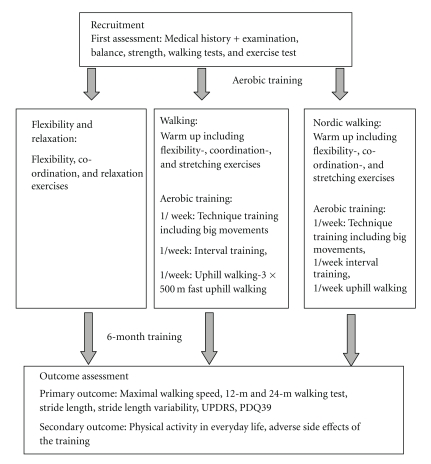
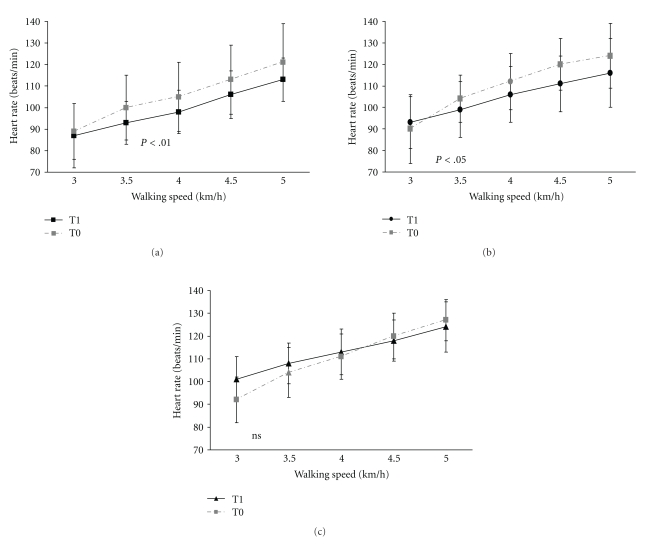
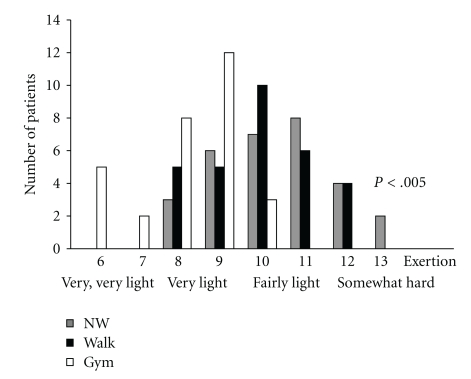
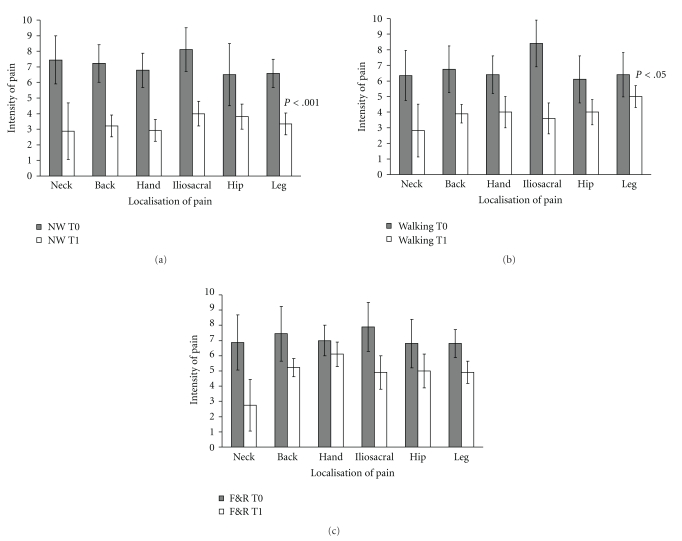
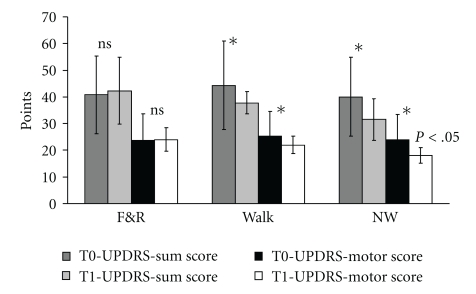
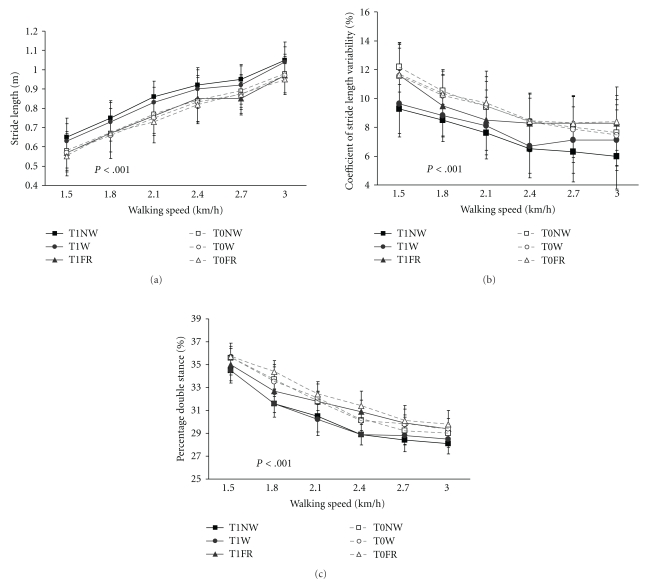
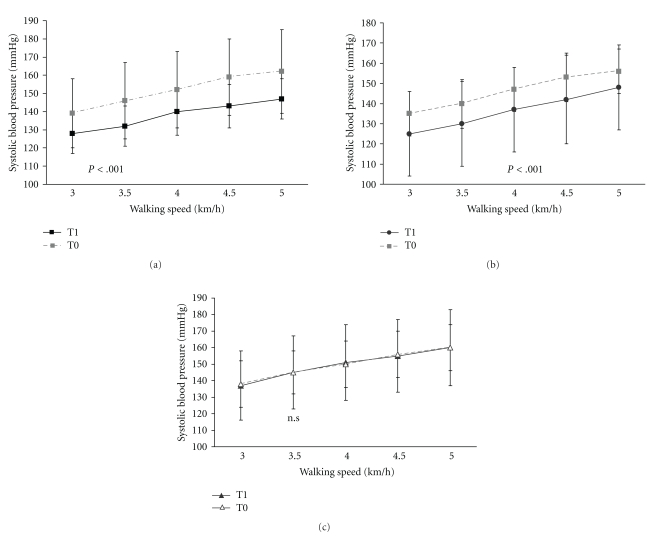
Symptoms of Parkinson's disease (PD) progress despite optimized medical treatment. The present study investigated the effects of a flexibility and relaxation programme, walking, and Nordic walking (NW) on walking speed, stride length, stride length variability, Parkinson-specific disability (UPDRS), and health-related quality of life (PDQ 39). 90 PD patients were randomly allocated to the 3 treatment groups. Patients participated in a 6-month study with 3 exercise sessions per week, each lasting 70 min. Assessment after completion of the training showed that pain was reduced in all groups, and balance and health-related quality of life were improved. Furthermore, walking, and Nordic walking improved stride length, gait variability, maximal walking speed, exercise capacity at submaximal level, and PD disease-specific disability on the UPDRS in addition. Nordic walking was superior to the flexibility and relaxation programme and walking in improving postural stability, stride length, gait pattern and gait variability. No significant injuries occurred during the training. All patients of the Nordic walking group continued Nordic walking after completing the study.
尽管进行了优化的药物治疗,帕金森病(PD)的症状仍会进展。本研究调查了柔韧性与放松训练计划、步行以及越野行走(NW)对步行速度、步长、步长变异性、帕金森病特异性残疾(统一帕金森病评定量表,UPDRS)以及健康相关生活质量(帕金森病问卷39项,PDQ 39)的影响。90名帕金森病患者被随机分配到3个治疗组。患者参与了一项为期6个月的研究,每周进行3次锻炼,每次持续70分钟。训练结束后的评估显示,所有组的疼痛均减轻,平衡能力及健康相关生活质量均得到改善。此外,步行和越野行走还改善了步长、步态变异性、最大步行速度、次最大运动水平时的运动能力以及统一帕金森病评定量表中帕金森病特异性残疾情况。在改善姿势稳定性、步长、步态模式和步态变异性方面,越野行走优于柔韧性与放松训练计划和步行。训练期间未发生重大损伤。越野行走组的所有患者在完成研究后仍继续进行越野行走。