Yu S
Biomed Imaging Interv J. 2006 Oct;2(4):e57. doi: 10.2349/biij.2.4.e57. Epub 2006 Oct 1.
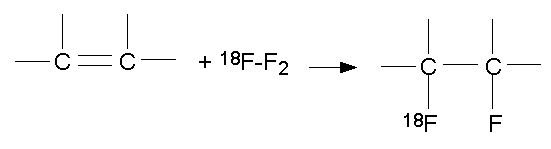
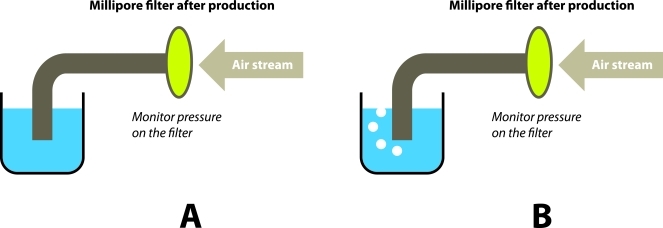
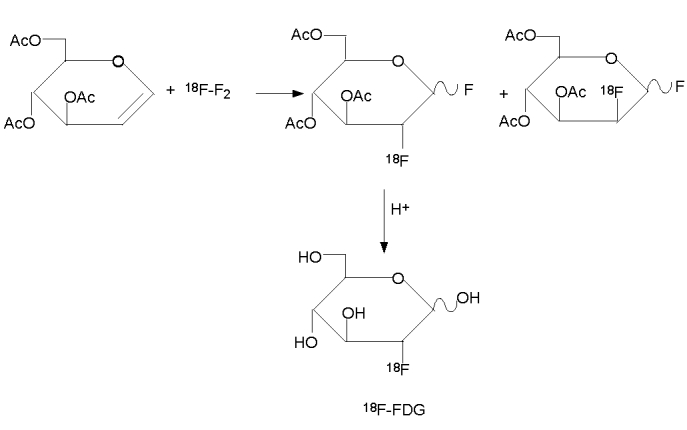
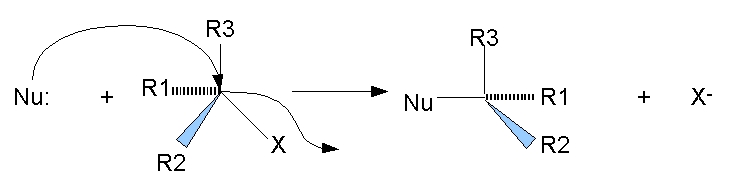
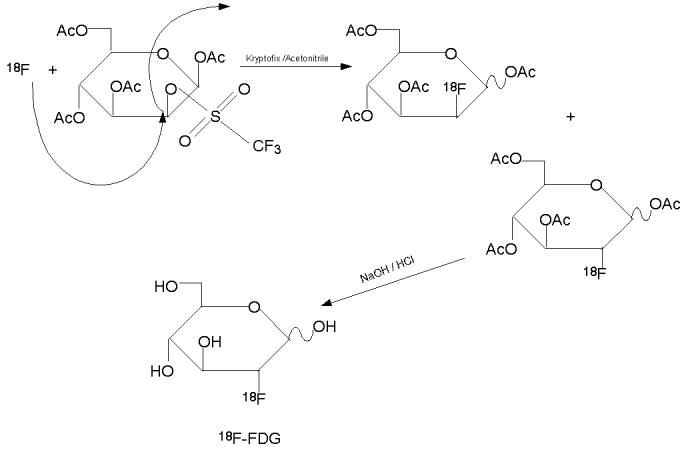
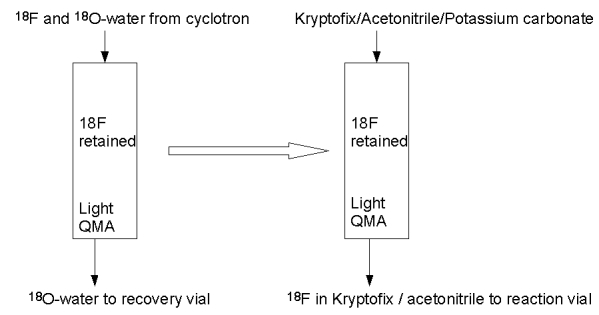
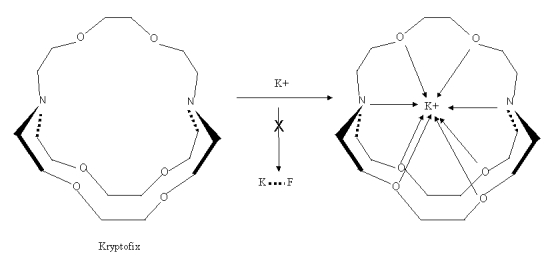
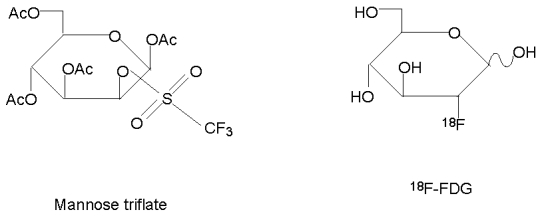
This review article covers a concise account on fludeoxyglucose ((18)F-FDG) synthesis and quality control procedures with emphasis on practical synthesis Currently, (18)F-FDG is the most successful PET radiopharmaceutical so far. The advancement in synthesis and quality control of (18)F-FDG, together with its approval by the US FDA and the availability of reimbursement, are probably the main reasons for the flourish of clinical PET over the last 20 years. (18)F-FDG can be synthesised by either electrophilic fluorination or nucleophilic fluorination reaction. Nucleophilic fluorination using mannose triflate as precursor and Kryptofix or tetrabutylammonium salts (TBA) is widely used because of higher yield and shorter reaction time. The quality control requirements of (18)F-FDG can be found in United States Pharmacopeia (USP), British Pharmacopeia (BP), European Pharmacopeia (EP) and the Chemistry, Manufacturing, and Controls (CMC) section from United States Food and Drug Administration (US FDA) PET draft guidance documents. Basic requirements include radionuclidic identity, radiochemical purity, chemical purity, pH, residual solvent, sterility, and bacterial endotoxin level. Some of these tests (sterility, endotoxins and radionuclidic purity) can be finished after the (18)F-FDG has been released. Although USP, BP and EP do not require filter membrane integrity test, many laboratories perform this test as an indirect evident of the product sterility. It is also interesting to note that there are major differences in (18)F-FDG quality requirements among USP, BP, and CMC.
这篇综述文章简要介绍了氟脱氧葡萄糖((18)F-FDG)的合成及质量控制程序,重点在于实际合成。目前,(18)F-FDG是迄今为止最成功的正电子发射断层显像(PET)放射性药物。(18)F-FDG合成与质量控制方面的进展,连同其获得美国食品药品监督管理局(US FDA)批准及报销政策的出台,可能是过去20年临床PET蓬勃发展的主要原因。(18)F-FDG可通过亲电氟化或亲核氟化反应合成。以三氟甲磺酸甘露糖为前体、穴醚或四丁铵盐(TBA)进行的亲核氟化反应因产率高、反应时间短而被广泛应用。(18)F-FDG的质量控制要求可见于美国药典(USP)、英国药典(BP)、欧洲药典(EP)以及美国食品药品监督管理局(US FDA)PET指导文件草案中的化学、生产和控制(CMC)部分。基本要求包括放射性核素鉴别、放射化学纯度、化学纯度、pH值、残留溶剂、无菌性和细菌内毒素水平。其中一些测试(无菌性、内毒素和放射性核素纯度)可在(18)F-FDG放行后完成。尽管USP、BP和EP并不要求进行滤膜完整性测试,但许多实验室进行此项测试作为产品无菌性的间接证据。同样值得注意的是,USP、BP和CMC在(18)F-FDG质量要求方面存在重大差异。