Department of Molecular Biomedical Sciences, College of Veterinary Medicine, North Carolina State University, Raleigh, NC, USA.
BMC Cancer. 2011 May 26;11:201. doi: 10.1186/1471-2407-11-201.
Histiocytic malignancies in both humans and dogs are rare and poorly understood. While canine histiocytic sarcoma (HS) is uncommon in the general domestic dog population, there is a strikingly high incidence in a subset of breeds, suggesting heritable predisposition. Molecular cytogenetic profiling of canine HS in these breeds would serve to reveal recurrent DNA copy number aberrations (CNAs) that are breed and/or tumor associated, as well as defining those shared with human HS. This process would identify evolutionarily conserved cytogenetic changes to highlight regions of particular importance to HS biology.
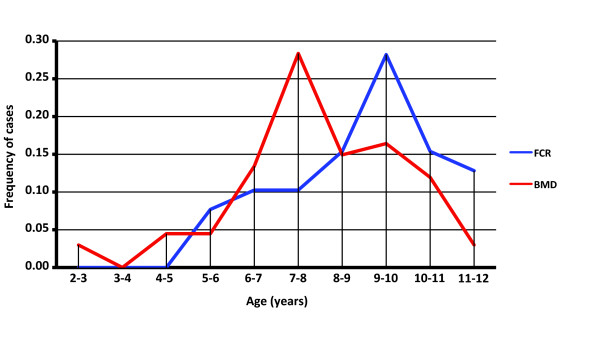
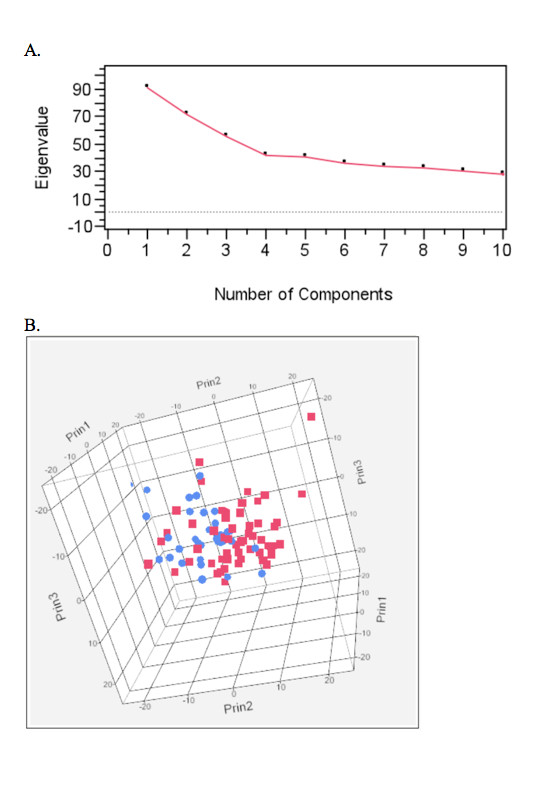
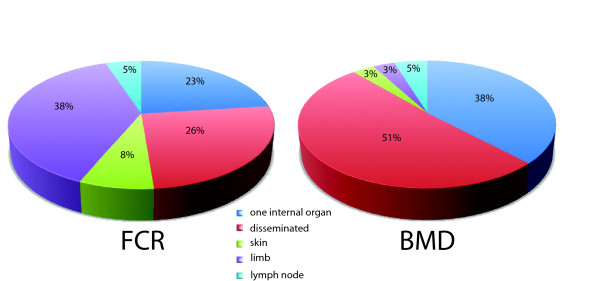
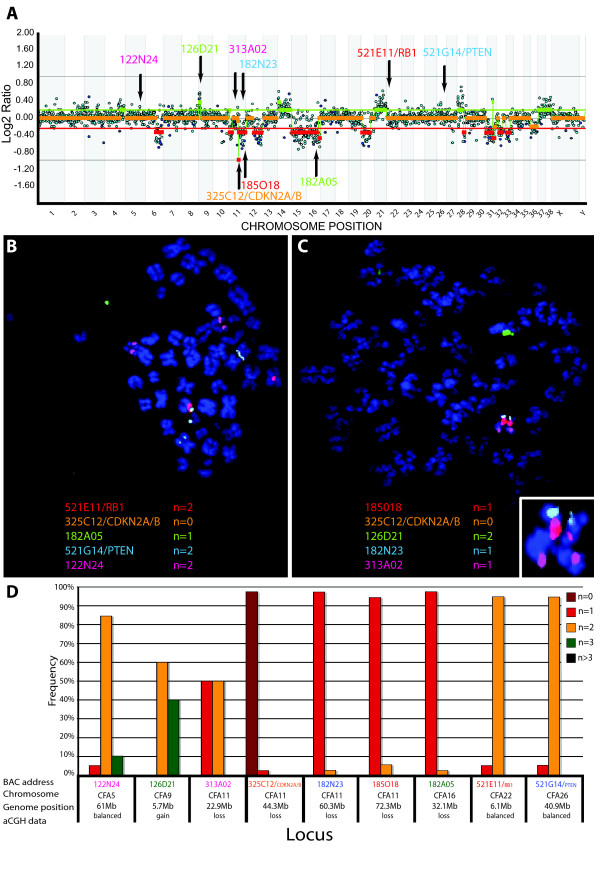
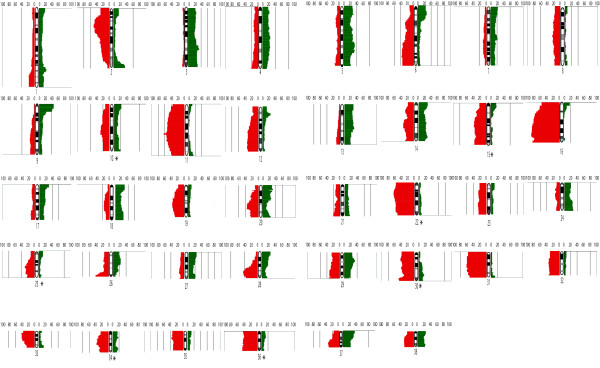
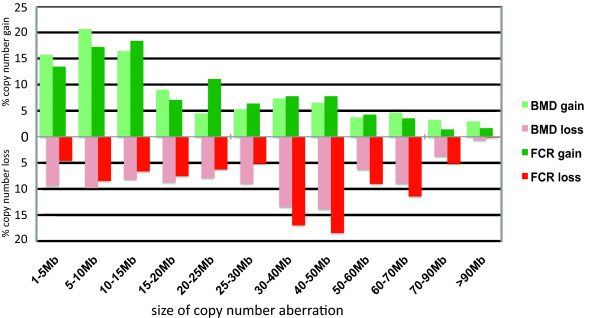
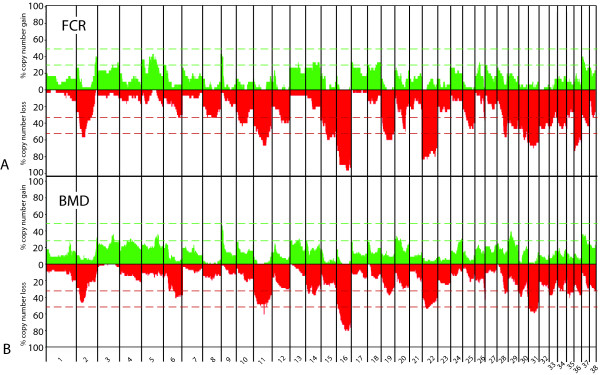
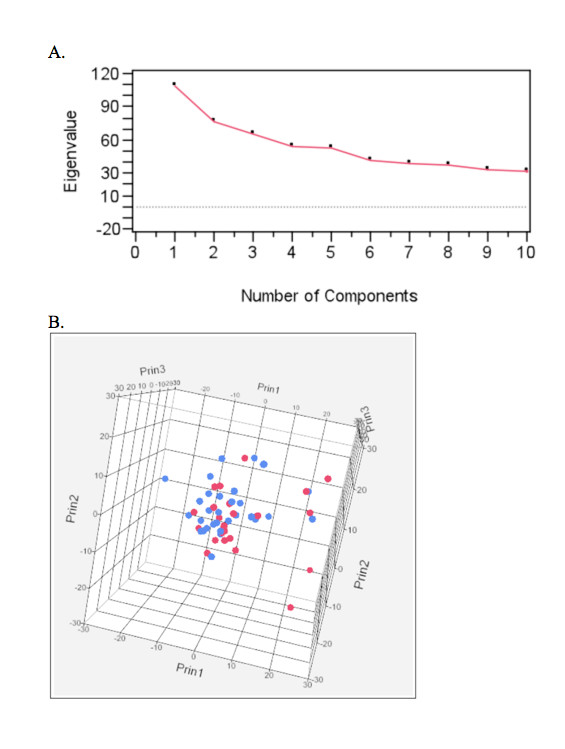
Using genome wide array comparative genomic hybridization we assessed CNAs in 104 spontaneously occurring HS from two breeds of dog exhibiting a particularly elevated incidence of this tumor, the Bernese Mountain Dog and Flat-Coated Retriever. Recurrent CNAs were evaluated further by multicolor fluorescence in situ hybridization and loss of heterozygosity analyses. Statistical analyses were performed to identify CNAs associated with tumor location and breed.
Almost all recurrent CNAs identified in this study were shared between the two breeds, suggesting that they are associated more with the cancer phenotype than with breed. A subset of recurrent genomic imbalances suggested involvement of known cancer associated genes in HS pathogenesis, including deletions of the tumor suppressor genes CDKN2A/B, RB1 and PTEN. A small number of aberrations were unique to each breed, implying that they may contribute to the major differences in tumor location evident in these two breeds. The most highly recurrent canine CNAs revealed in this study are evolutionarily conserved with those reported in human histiocytic proliferations, suggesting that human and dog HS share a conserved pathogenesis.
The breed associated clinical features and DNA copy number aberrations exhibited by canine HS offer a valuable model for the human counterpart, providing additional evidence towards elucidation of the pathophysiological and genetic mechanisms associated with histiocytic malignancies. Extrapolation of data derived from canine histiocytic disorders to human histiocytic proliferation may help to further our understanding of the propagation and cancerization of histiocytic cells, contributing to development of new and effective therapeutic modalities for both species.
人类和犬类的组织细胞恶性肿瘤都很罕见,目前人们对其了解甚少。虽然犬组织细胞肉瘤(HS)在普通犬群中并不常见,但在某些品种中发病率却很高,这表明存在遗传易感性。对这些品种的犬 HS 进行分子细胞遗传学分析,可以揭示与品种和/或肿瘤相关的、经常出现的 DNA 拷贝数异常(CNA),并确定与人类 HS 共享的那些 CNA。这一过程将确定进化保守的细胞遗传学变化,以突出对 HS 生物学特别重要的区域。
使用全基因组比较基因组杂交阵列,我们评估了 2 个品种的 104 例自发性 HS 中的 CNA,这两个品种的犬 HS 发病率特别高,分别是伯恩山犬和平毛寻回犬。通过多色荧光原位杂交和杂合性缺失分析进一步评估了反复出现的 CNA。对与肿瘤位置和品种相关的 CNA 进行了统计分析。
本研究中鉴定的几乎所有反复出现的 CNA 都在这两个品种中共享,这表明它们与癌症表型的关系更密切,而不是与品种的关系。一部分反复出现的基因组失衡提示,HS 发病机制中可能涉及已知的癌症相关基因,包括肿瘤抑制基因 CDKN2A/B、RB1 和 PTEN 的缺失。每个品种都有一些独特的异常,这意味着它们可能导致这两个品种中明显的肿瘤位置差异。本研究中揭示的最常出现的犬 CNA 与人类组织细胞增生中报道的 CNA 具有进化保守性,这表明人类和犬 HS 具有共同的发病机制。
犬 HS 的品种相关临床特征和 DNA 拷贝数异常为人类 HS 提供了一个有价值的模型,为阐明与组织细胞恶性肿瘤相关的病理生理和遗传机制提供了更多证据。从犬组织细胞疾病中得出的数据推断到人类组织细胞增生可能有助于我们进一步了解组织细胞的增殖和癌变,为这两个物种开发新的、有效的治疗方法做出贡献。