Institut für Pharmazeutische und Medizinische Chemie, Hittorfstrasse 58-62, 48149 Münster, Germany.
BMC Biochem. 2011 May 27;12:28. doi: 10.1186/1471-2091-12-28.
ATP binding is essential for the bioactivity of several growth factors including nerve growth factor, fibroblast growth factor-2 and brain-derived neurotrophic factor. Vascular endothelial growth factor isoform 165 (VEGF-A(165)) induces the proliferation of human umbilical vein endothelial cells, however a dependence on ATP-binding is currently unknown. The aim of the present study was to determine if ATP binding is essential for the bioactivity of VEGF-A(165).
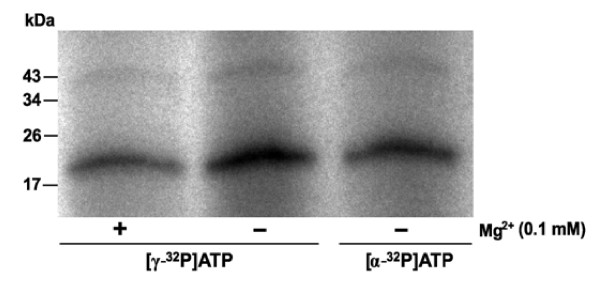
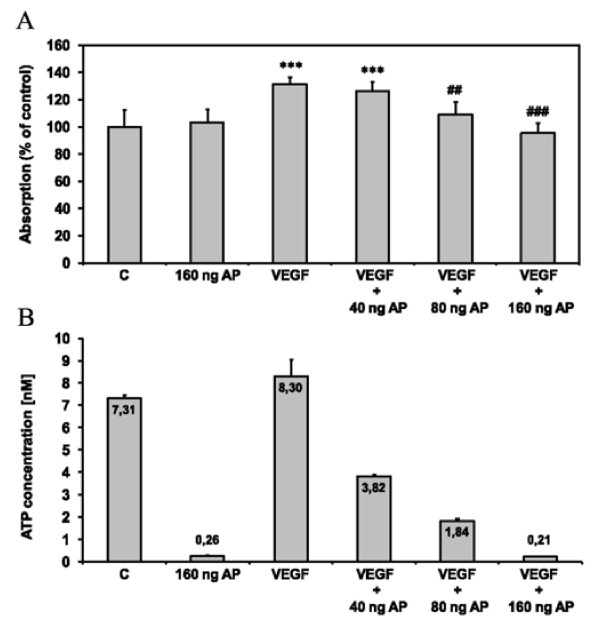
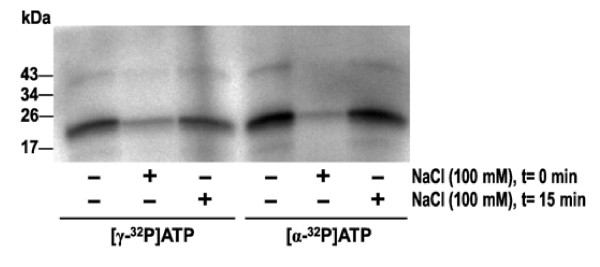
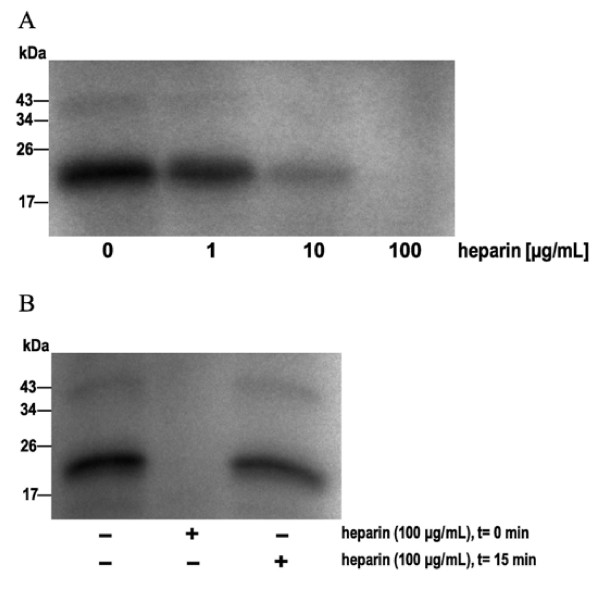
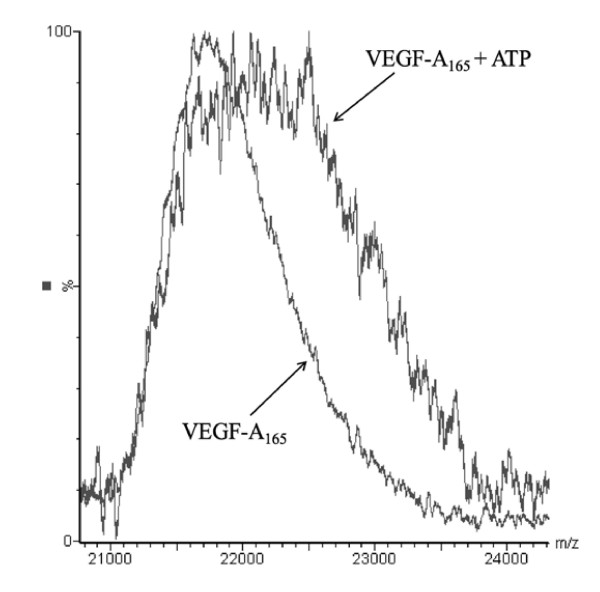
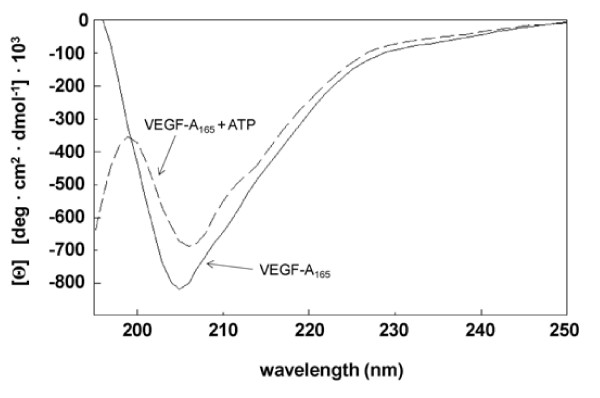
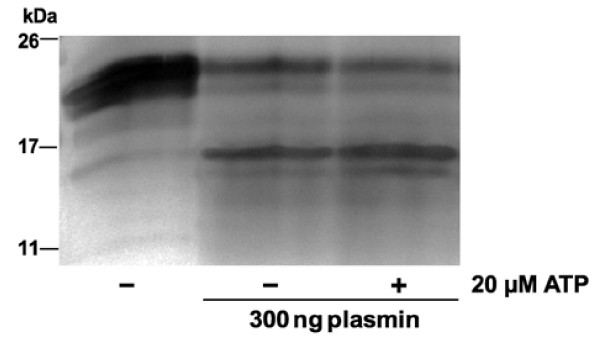
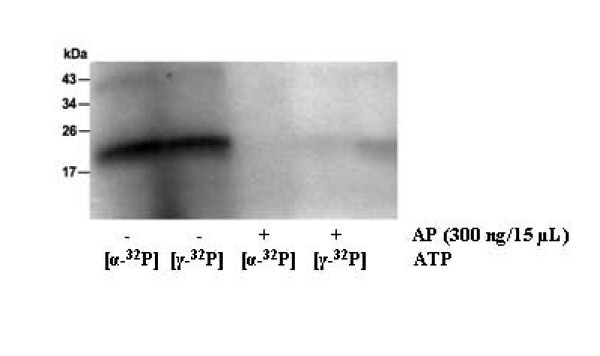
We found evidence that ATP binding to VEGF-A(165) induced a conformational change in the secondary structure of the growth factor. This binding appears to be significant at the biological level, as we found evidence that nanomolar levels of ATP (4-8 nm) are required for the VEGF-A(165)-induced proliferation of human umbilical vein endothelial cells. At these levels, purinergic signaling by ATP via P2 receptors can be excluded. Addition of alkaline phosphate to cell culture lowered the ATP concentration in the cell culture medium to 1.8 nM and inhibited cell proliferation.
We propose that proliferation of endothelial cells is induced by a VEGF-A(165)-ATP complex, rather than VEGF-A(165) alone.
ATP 结合对于几种生长因子的生物活性至关重要,包括神经生长因子、成纤维细胞生长因子-2 和脑源性神经营养因子。血管内皮生长因子 165 异构体(VEGF-A(165))可诱导人脐静脉内皮细胞增殖,但目前尚不清楚其是否依赖于 ATP 结合。本研究旨在确定 ATP 结合对于 VEGF-A(165)的生物活性是否重要。
我们发现证据表明,ATP 与 VEGF-A(165)结合诱导生长因子二级结构发生构象变化。这种结合在生物学水平上似乎很重要,因为我们发现证据表明,纳米摩尔水平的 ATP(4-8nm)是 VEGF-A(165)诱导人脐静脉内皮细胞增殖所必需的。在这些水平上,可以排除 ATP 通过 P2 受体的嘌呤能信号转导。向细胞培养物中添加碱性磷酸酶可将细胞培养物中的 ATP 浓度降低至 1.8nm,并抑制细胞增殖。
我们提出,内皮细胞的增殖是由 VEGF-A(165)-ATP 复合物而非单独的 VEGF-A(165)诱导的。