Department of Pathobiology Texas A&M University, TVMC, College Station, TX 77843-4467, USA.
Virol J. 2011 Jun 6;8:278. doi: 10.1186/1743-422X-8-278.
Rotavirus NSP4 localizes to multiple intracellular sites and is multifunctional, contributing to RV morphogenesis, replication and pathogenesis. One function of NSP4 is the induction of early secretory diarrhea by binding surface receptors to initiate signaling events. The aims of this study were to determine the transport kinetics of NSP4 to the exofacial plasma membrane (PM), the subsequent release from intact infected cells, and rebinding to naïve and/or neighboring cells in two cell types.
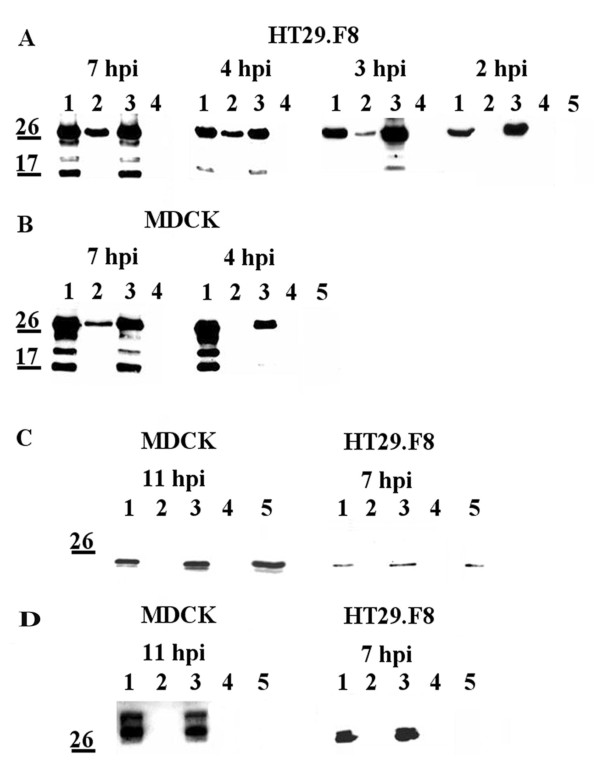
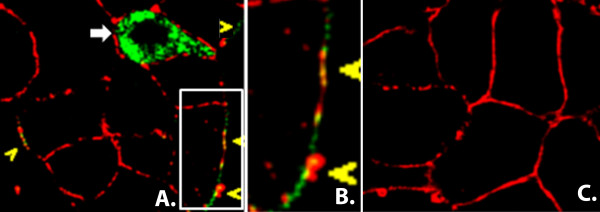
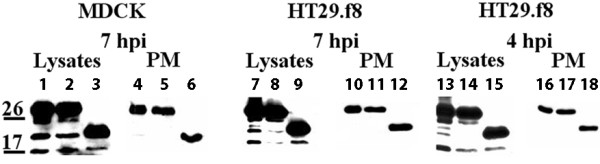
Transport kinetics was evaluated using surface-specific biotinylation/streptavidin pull-downs and exofacial exposure of NSP4 was confirmed by antibody binding to intact cells, and fluorescent resonant energy transfer. Transfected cells similarly were monitored to discern NSP4 movement in the absence of infection or other viral proteins. Endoglycosidase H digestions, preparation of CY3- or CY5- labeled F(ab)2 fragments, confocal imaging, and determination of preferential polarized transport employed standard laboratory techniques. Mock-infected, mock-biotinylated and non-specific antibodies served as controls.
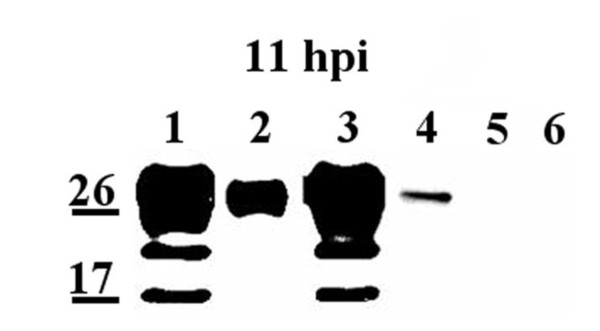
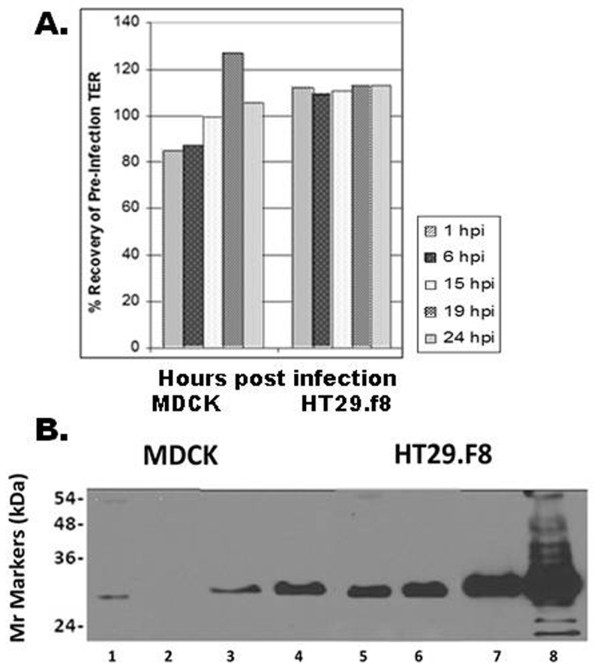
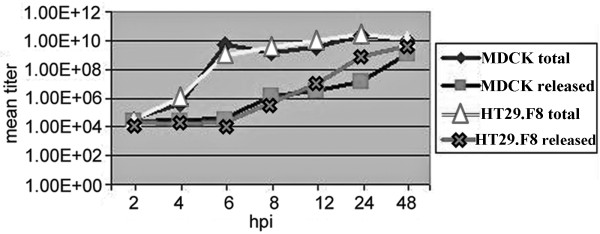
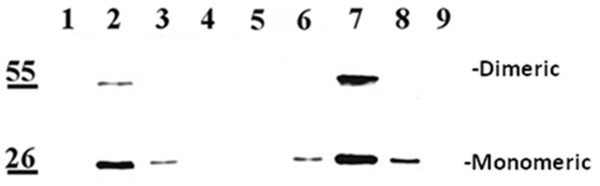
Only full-length (FL), endoglycosidase-sensitive NSP4 was detected on the exofacial surface of two cell types, whereas the corresponding cell lysates showed multiple glycosylated forms. The C-terminus of FL NSP4 was detected on exofacial-membrane surfaces at different times in different cell types prior to its release into culture media. Transport to the PM was rapid and distinct yet FL NSP4 was secreted from both cell types at a time similar to the release of virus. NSP4-containing, clarified media from both cells bound surface molecules of naïve cells, and imaging showed secreted NSP4 from one or more infected cells bound neighboring cell membranes in culture. Preferential sorting to apical or basolateral membranes also was distinct in different polarized cells.
The intracellular transport of NSP4 to the PM, translocation across the PM, exposure of the C-terminus on the cell surface and subsequent secretion occurs via an unusual, complex and likely cell-dependent process. The exofacial exposure of the C-terminus poses several questions and suggests an atypical mechanism by which NSP4 traverses the PM and interacts with membrane lipids. Mechanistic details of the unconventional trafficking of NSP4, interactions with host-cell specific molecules and subsequent release require additional study.
轮状病毒 NSP4 定位于多个细胞内位置,具有多功能性,有助于 RV 的形态发生、复制和发病机制。NSP4 的一个功能是通过与表面受体结合启动信号事件,诱导早期分泌性腹泻。本研究的目的是确定 NSP4 向质膜外表面的转运动力学,随后从完整感染细胞中释放,并在两种细胞类型中的幼稚细胞和/或相邻细胞上重新结合。
使用表面特异性生物素化/链霉亲和素下拉法评估转运动力学,并通过与完整细胞结合的抗体和荧光共振能量转移来确认 NSP4 的外显暴露。同样监测转染细胞以辨别在没有感染或其他病毒蛋白的情况下 NSP4 的运动。使用标准实验室技术进行内切糖苷酶 H 消化、制备 CY3 或 CY5 标记的 F(ab')2 片段、共焦成像以及优先极化转运的测定。mock 感染、mock 生物素化和非特异性抗体作为对照。
只有全长(FL)、内切糖苷酶敏感的 NSP4 被检测到两种细胞类型的质膜外表面,而相应的细胞裂解物显示出多种糖基化形式。FL NSP4 的 C 末端在不同细胞类型的不同时间被检测到质膜表面,然后在培养物中释放到培养基中。向质膜的转运迅速而明显,但 FL NSP4 从两种细胞类型释放的时间与病毒释放的时间相似。来自两种细胞的含 NSP4 的澄清培养基与幼稚细胞的表面分子结合,成像显示培养物中来自一个或多个感染细胞的分泌 NSP4 与相邻细胞膜结合。不同极化细胞中也存在明显的优先分选到顶膜或基底外侧膜。
NSP4 向质膜的细胞内转运、跨质膜易位、质膜表面 C 末端的暴露以及随后的分泌是通过一种不寻常的、复杂的、可能依赖细胞的过程发生的。C 末端的外显暴露提出了几个问题,并表明 NSP4 穿过质膜并与膜脂质相互作用的一种非典型机制。NSP4 非常规转运的机制细节、与宿主细胞特定分子的相互作用以及随后的释放需要进一步研究。