Department of Surgical Gastroenterology, Erstwhile KG Medical College, CSM Medical University, Lucknow, India.
PLoS One. 2011;6(5):e20446. doi: 10.1371/journal.pone.0020446. Epub 2011 May 24.
The wound healing properties of the human omentum are well known and have extensively been exploited clinically. However, the underlying mechanisms of these effects are not well understood. We hypothesize that the omentum tissue promotes wound healing via modulation of anti-inflammatory pathways, and because the omentum is rich in adipocytes, the adipocytes may modulate the anti-inflammatory response. Factors released by human omentum may affect healing, inflammation and immune defense.
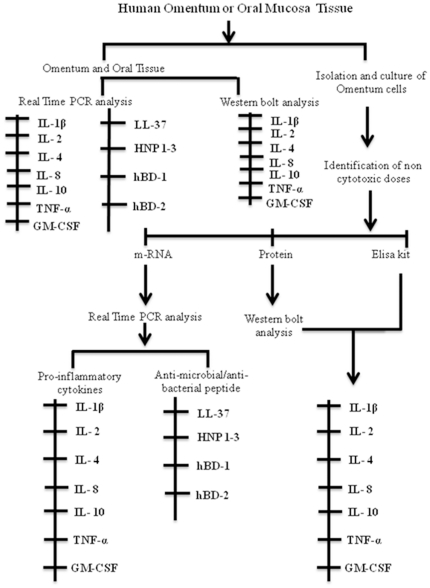
Six human omentum tissues (non obese, free from malignancy, and any other systemic disorder) were obtained during diagnostic laparoscopies having a negative outcome. Healthy oral mucosa (obtained from routine oral biopsies) was used as control. Cultured adipocytes derived from human omentum were exposed to lipopolysaccharide (LPS) (1-50 ng/mL) for 12-72 hours to identify the non-cytotoxic doses. Levels of expression (mRNA and protein) were carried out for genes associated with pro- and anti-inflammatory cytokine responses and antibacterial/antimicrobial activity using qRT-PCR, western blotting, and cell-based ELISA assays.
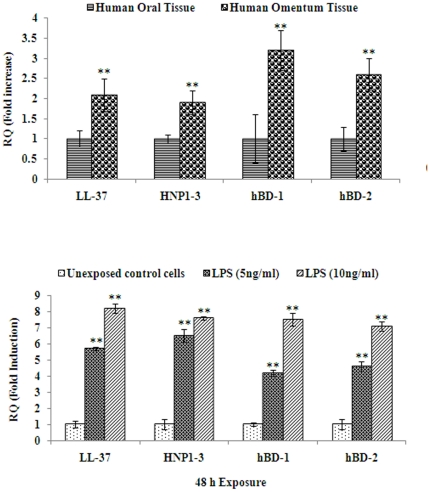
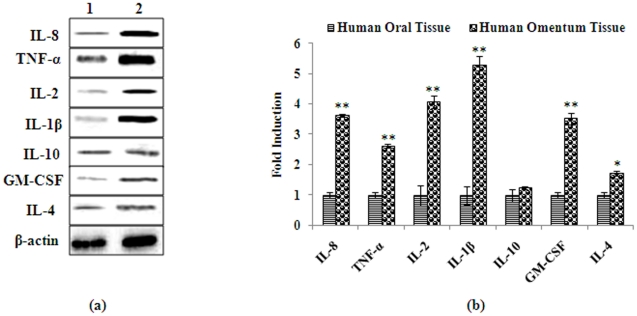
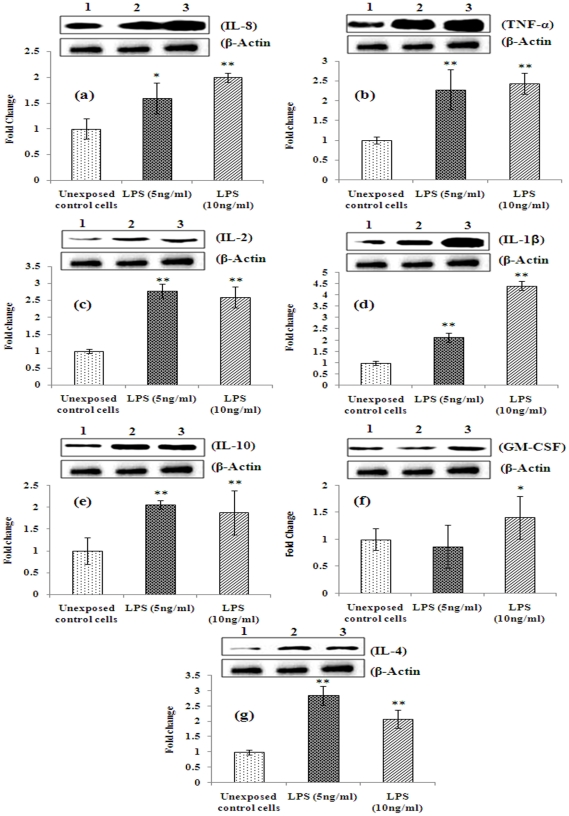
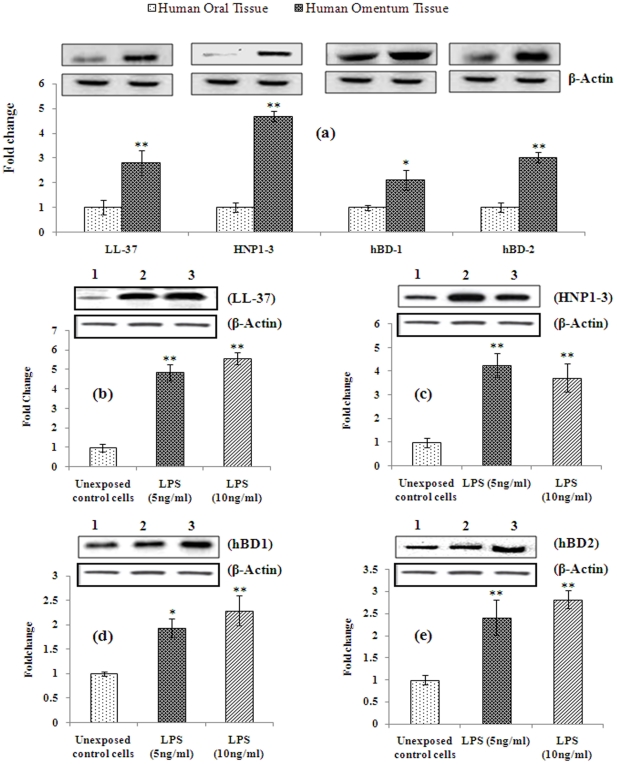
The study shows significant higher levels of expression (mRNA and protein) of several specific cytokines, and antibacterial peptides in the omentum tissues when compared to oral sub-mucosal tissues. In the validation studies, primary cultures of adipocytes, derived from human omentum were exposed to LPS (5 and 10 ng/mL) for 24 and 48 h. The altered expressions were more pronounced in cultured adipocytes cells when exposed to LPS as compared to the omentum tissue.
CONCLUSIONS/SIGNIFICANCE: Perhaps, this is the first report that provides evidence of expressional changes in pro- and anti-inflammatory cytokines and antibacterial peptides in the normal human omentum tissue as well as adipocytes cultured from this tissue. The study provides new insights on the molecular and cellular mechanisms of healing and defense by the omentum, and suggests the potential applicability of cultured adipocytes derived from the omentum for future therapeutic applications.
人类大网膜的伤口愈合特性是众所周知的,并且已经在临床上广泛应用。然而,这些效果的潜在机制尚不清楚。我们假设大网膜组织通过调节抗炎途径促进伤口愈合,并且由于大网膜富含脂肪细胞,脂肪细胞可能调节抗炎反应。大网膜释放的因子可能会影响愈合、炎症和免疫防御。
在诊断性腹腔镜检查中获得了 6 个人体大网膜组织(非肥胖、无恶性肿瘤和任何其他系统性疾病),这些组织的结果为阴性。健康的口腔黏膜(从常规口腔活检中获得)被用作对照。从人体大网膜中培养的脂肪细胞暴露于脂多糖(LPS)(1-50ng/ml)12-72 小时,以确定非细胞毒性剂量。使用 qRT-PCR、western blot 和细胞 ELISA 测定法,对与促炎和抗炎细胞因子反应和抗菌/抗微生物活性相关的基因进行表达(mRNA 和蛋白质)水平的检测。
与口腔黏膜下组织相比,本研究显示大网膜组织中几种特定细胞因子和抗菌肽的表达(mRNA 和蛋白质)水平显著升高。在验证研究中,将人源大网膜来源的原代脂肪细胞暴露于 LPS(5 和 10ng/ml)24 和 48 小时。与大网膜组织相比,暴露于 LPS 时培养的脂肪细胞的表达变化更为明显。
结论/意义:这或许是第一个提供正常人类大网膜组织以及从该组织培养的脂肪细胞中促炎和抗炎细胞因子及抗菌肽表达变化证据的报告。该研究为大网膜的愈合和防御的分子和细胞机制提供了新的见解,并表明源自大网膜的培养脂肪细胞在未来治疗应用中的潜在适用性。