Diabetes Division, Department of Medicine, University of Texas Health Science Center at San Antonio, San Antonio, Texas, USA.
Diabetes. 2011 Aug;60(8):2051-60. doi: 10.2337/db11-0121. Epub 2011 Jun 15.
Aging increases the risk of developing impaired glucose tolerance (IGT) and type 2 diabetes. It has been proposed that increased reactive oxygen species (ROS) generation by dysfunctional mitochondria could play a role in the pathogenesis of these metabolic abnormalities. We examined whether aging per se (in subjects with normal glucose tolerance [NGT]) impairs mitochondrial function and how this relates to ROS generation, whether older subjects with IGT have a further worsening of mitochondrial function (lower ATP production and elevated ROS generation), and whether exercise reverses age-related changes in mitochondrial function.
Mitochondrial ATP and ROS production were measured in muscle from younger individuals with NGT, older individuals with NGT, and older individuals with IGT. Measurements were performed before and after 16 weeks of aerobic exercise.
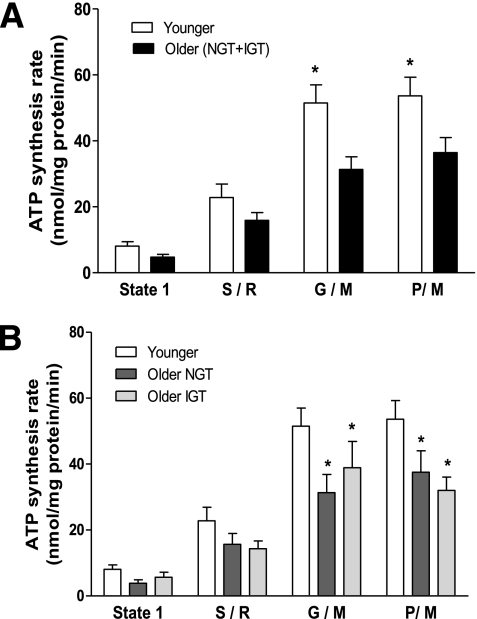
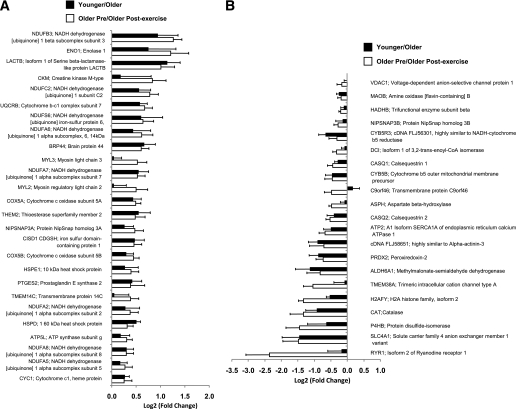
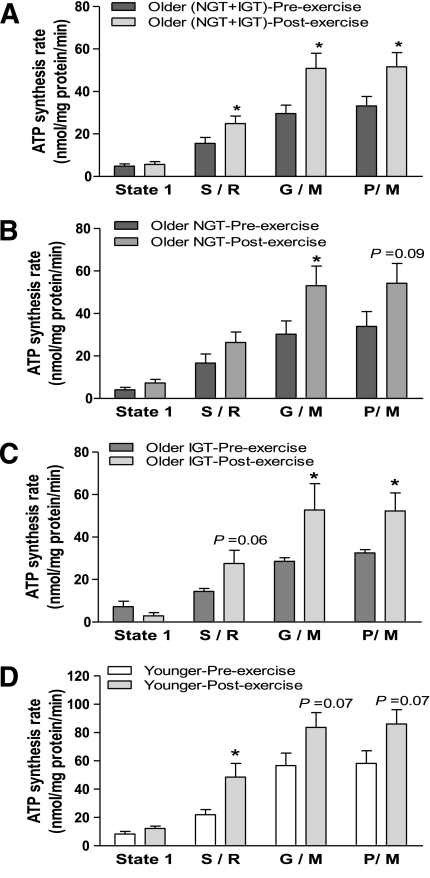
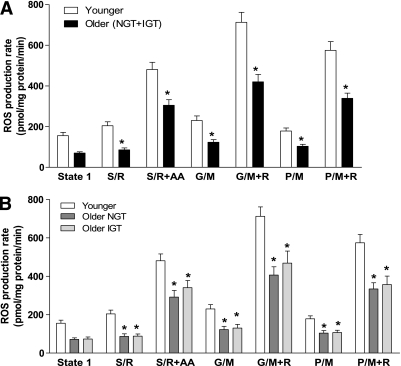
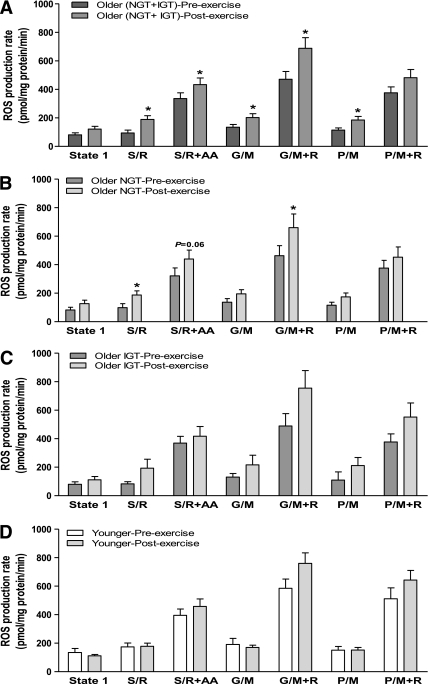
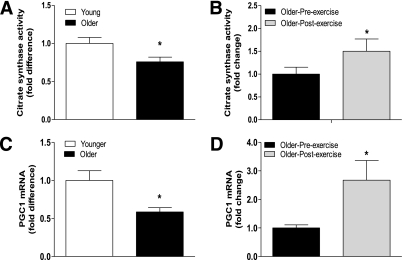
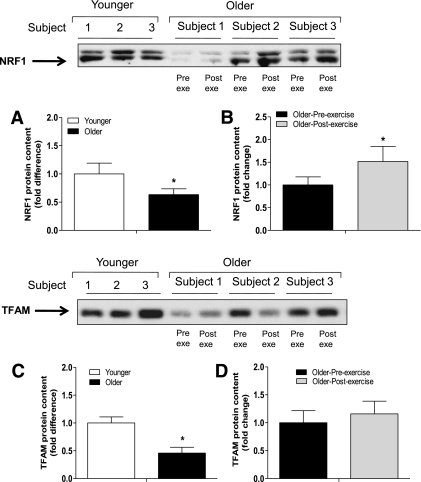
ATP synthesis was lower in older subjects with NGT and older subjects with IGT versus younger subjects. Notably, mitochondria from older subjects (with NGT and IGT) displayed reduced ROS production versus the younger group. ATP and ROS production were similar between older groups. Exercise increased ATP synthesis in the three groups. Mitochondrial ROS production also increased after training. Proteomic analysis revealed downregulation of several electron transport chain proteins with aging, and this was reversed by exercise.
Old mitochondria from subjects with NGT and IGT display mitochondrial dysfunction as manifested by reduced ATP production but not with respect to increased ROS production. When adjusted to age, the development of IGT in elderly individuals does not involve changes in mitochondrial ATP and ROS production. Lastly, exercise reverses the mitochondrial phenotype (proteome and function) of old mitochondria.
衰老会增加糖耐量受损(IGT)和 2 型糖尿病的发病风险。有研究提出,功能失调的线粒体产生的活性氧(ROS)增加可能在这些代谢异常的发病机制中起作用。我们研究了衰老本身(在糖耐量正常[NGT]的受试者中)是否会损害线粒体功能,以及这与 ROS 生成有何关系,IGT 的老年受试者的线粒体功能是否进一步恶化(ATP 生成减少和 ROS 生成增加),以及运动是否能逆转与年龄相关的线粒体功能变化。
在年轻的 NGT 受试者、年长的 NGT 受试者和年长的 IGT 受试者的肌肉中测量线粒体 ATP 和 ROS 的产生。在 16 周的有氧运动前后进行测量。
与年轻受试者相比,NGT 年长受试者和 IGT 年长受试者的 ATP 合成较低。值得注意的是,与年轻组相比,年长受试者(NGT 和 IGT)的线粒体 ROS 生成减少。年长组之间的 ATP 和 ROS 生成相似。运动增加了三组的 ATP 合成。运动后线粒体 ROS 生成也增加。蛋白质组学分析显示,随着年龄的增长,几种电子传递链蛋白的表达下调,而运动则可以逆转这种情况。
来自 NGT 和 IGT 受试者的老年线粒体表现出线粒体功能障碍,表现为 ATP 生成减少,但 ROS 生成没有增加。当与年龄相适应时,老年人 IGT 的发展并不涉及线粒体 ATP 和 ROS 生成的变化。最后,运动逆转了老年线粒体的线粒体表型(蛋白质组和功能)。