University of Washington, USA.
J Health Econ. 2011 Jul;30(4):695-706. doi: 10.1016/j.jhealeco.2011.05.012. Epub 2011 Jun 1.
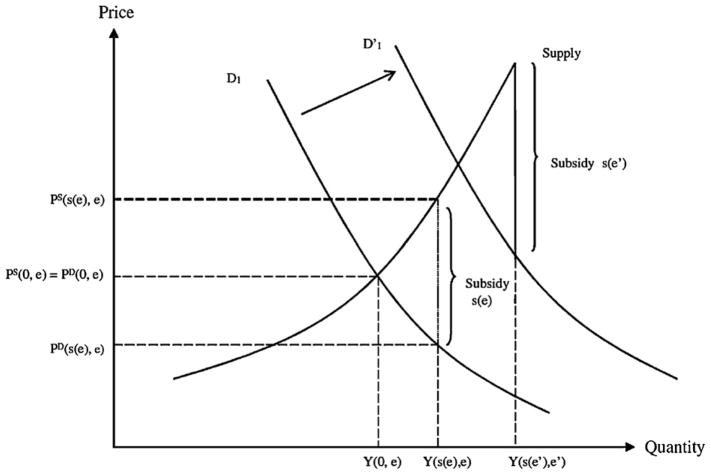
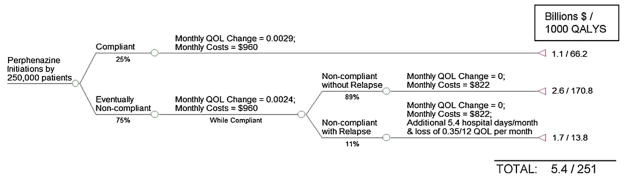
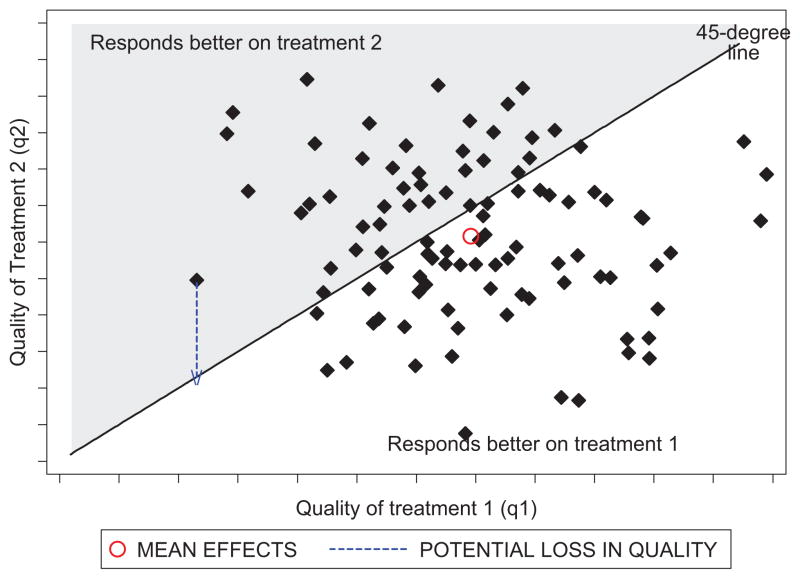
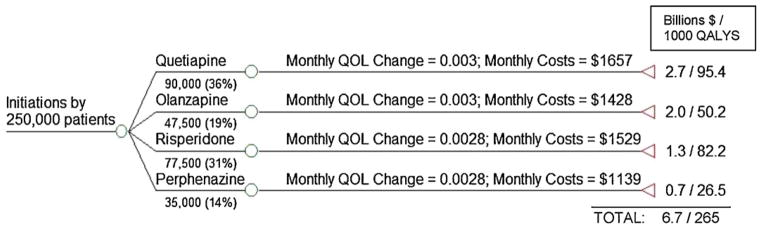
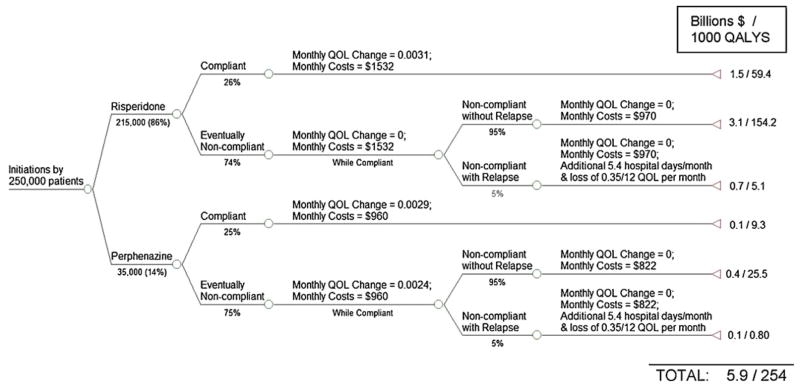
Comparative effectiveness research (CER) is thought to identify what works and does not work in health care. We interpret CER as infusing evidence on product quality into markets, shifting the relative demand for products in CER studies. We analyze how shifts in demand affect health and health care spending and demonstrate that CER may raise or lower overall health when treatments have heterogeneous effects, but payers respond with product-specific coverage policies. Among patients with schizophrenia, we calibrate that subsidy policies based on the clinical trial CATIE may have reduced overall health by inducing some patients to switch away from schizophrenia treatments that were effective for them towards winners of the CER.
比较疗效研究(CER)被认为可以确定医疗保健中哪些有效,哪些无效。我们将 CER 解释为将产品质量证据注入市场,从而改变 CER 研究中产品的相对需求。我们分析了需求变化如何影响健康和医疗保健支出,并证明了当治疗效果存在异质性时,CER 可能会提高或降低整体健康水平,但支付方会通过特定产品的覆盖政策做出反应。在精神分裂症患者中,我们根据临床试验 CATIE 校准了补贴政策,这些政策可能通过促使一些患者从对他们有效的精神分裂症治疗转向 CER 的获胜者,从而降低了整体健康水平。