Department of Microbiology, University of Washington, Seattle, Washington, United States of America.
PLoS One. 2011;6(6):e19681. doi: 10.1371/journal.pone.0019681. Epub 2011 Jun 20.
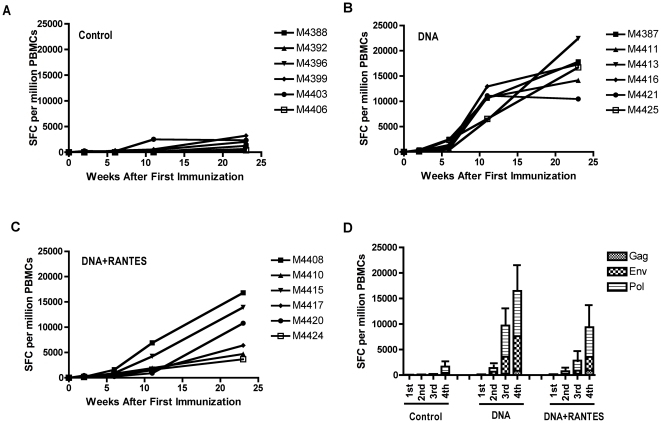
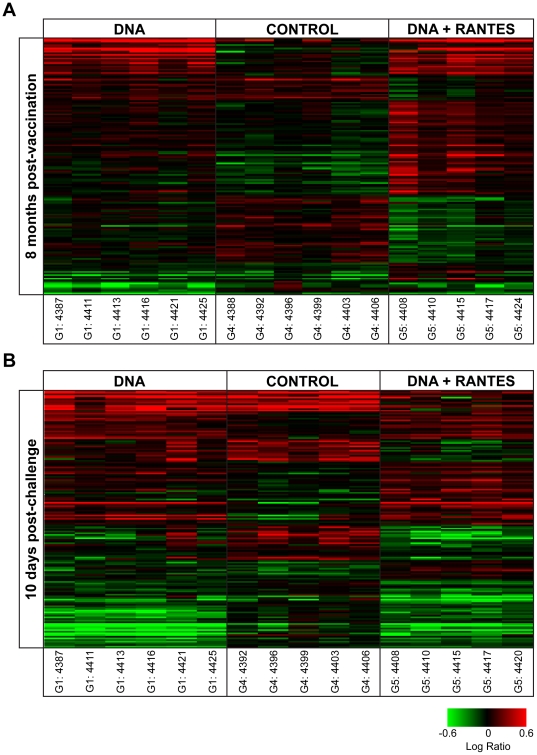
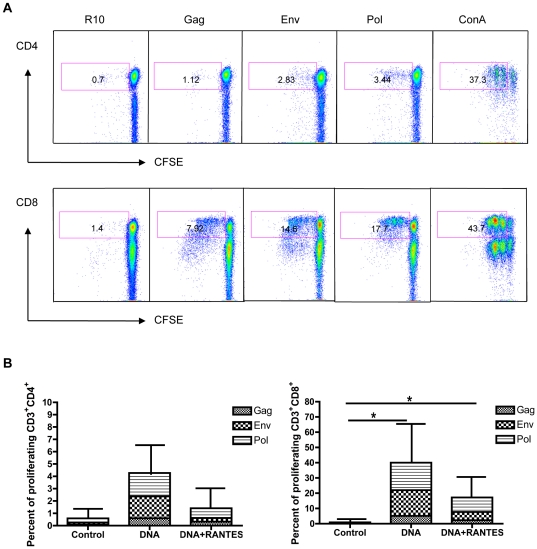
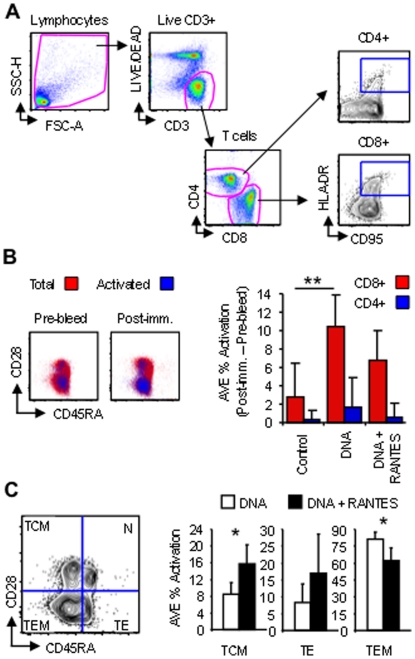
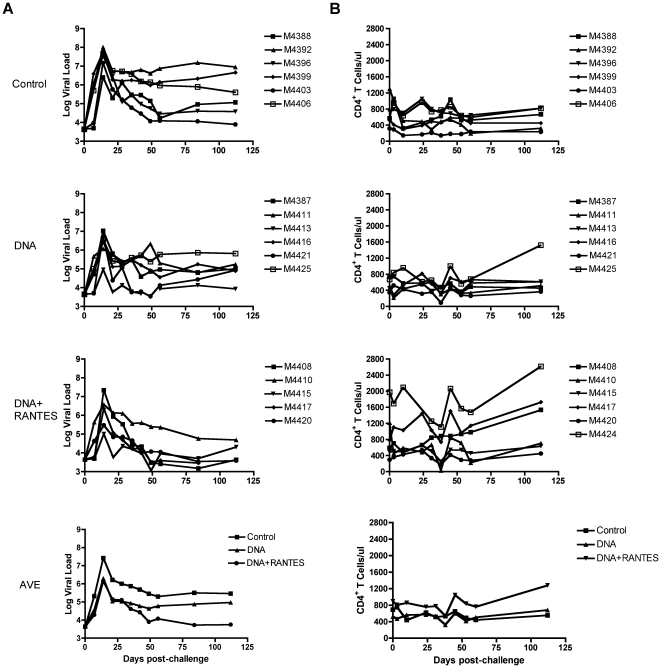
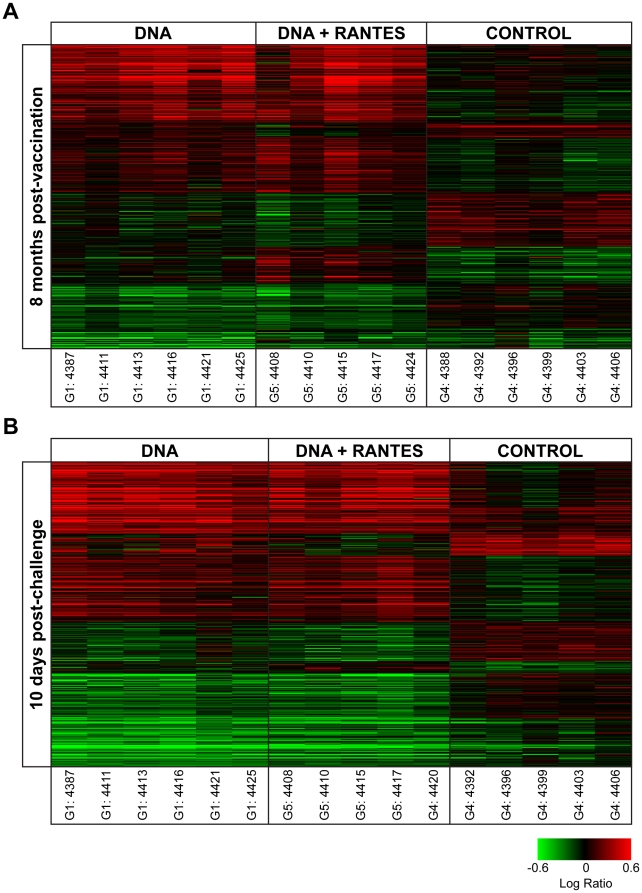
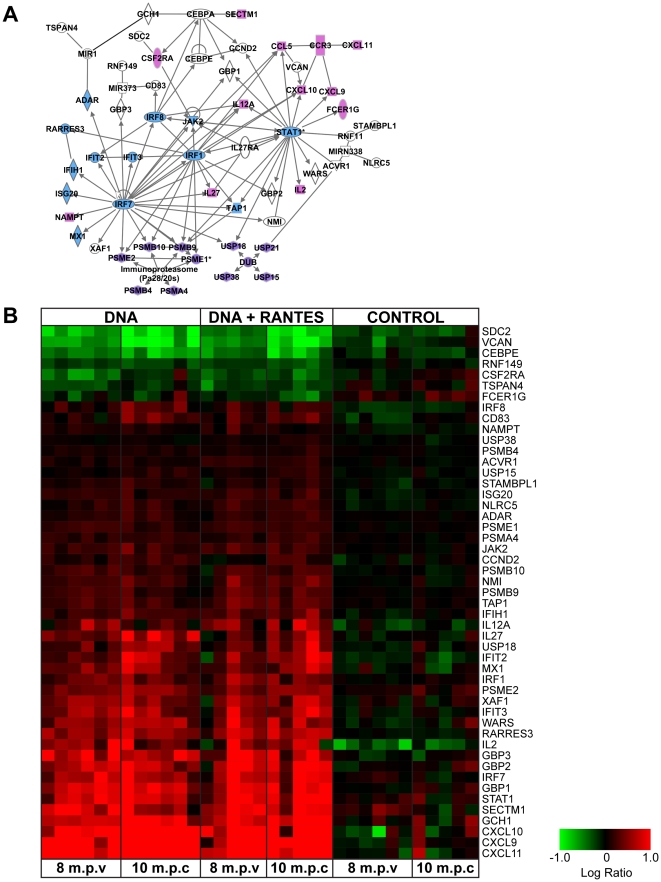
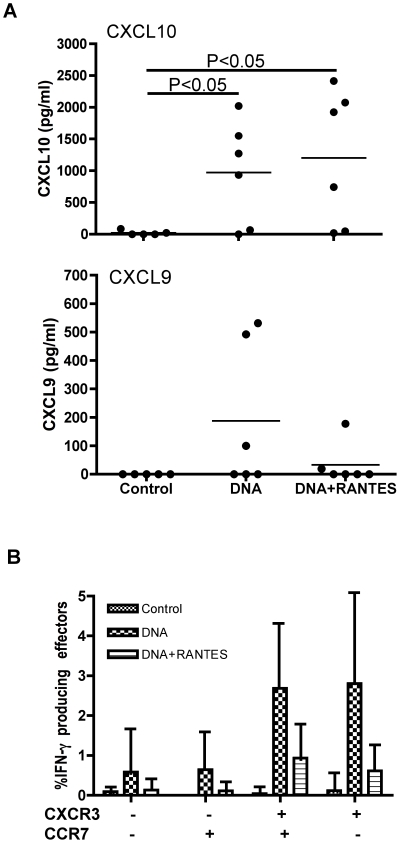
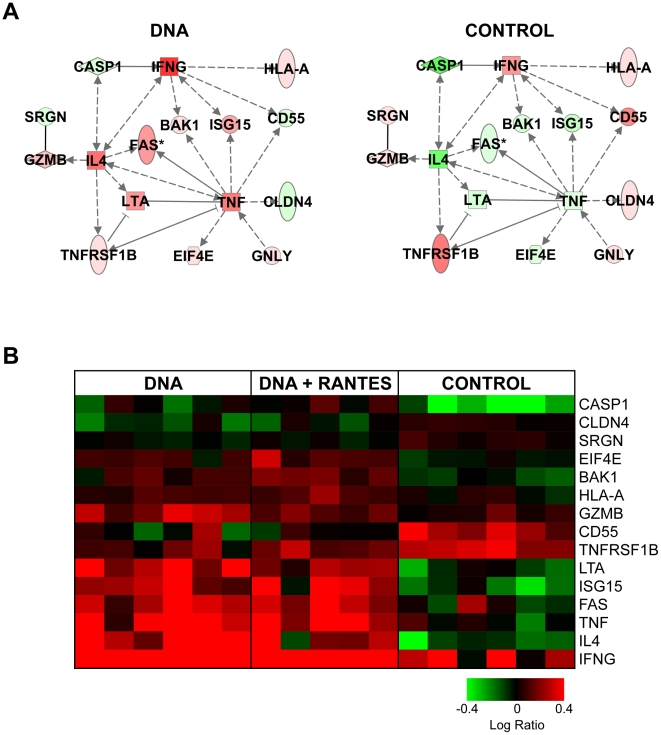
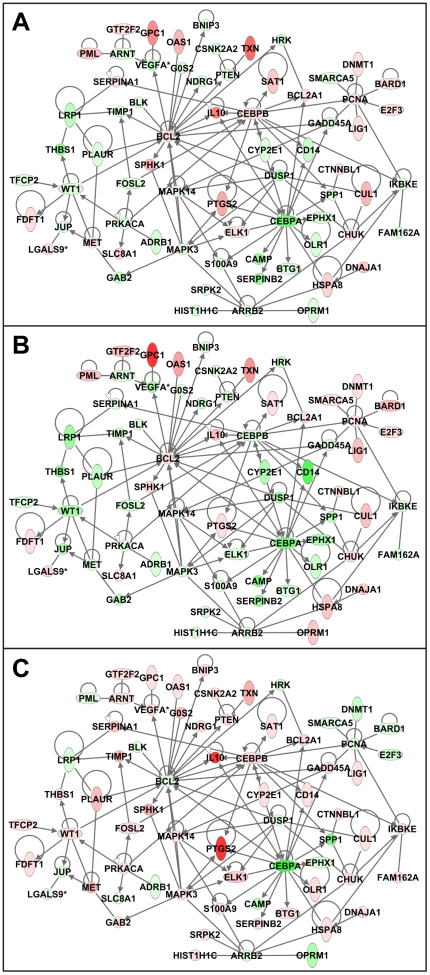
While HIV-1-specific cellular immunity is thought to be critical for the suppression of viral replication, the correlates of protection have not yet been determined. Rhesus macaques (RM) are an important animal model for the study and development of vaccines against HIV/AIDS. Our laboratory has helped to develop and study DNA-based vaccines in which recent technological advances, including genetic optimization and in vivo electroporation (EP), have helped to dramatically boost their immunogenicity. In this study, RMs were immunized with a DNA vaccine including individual plasmids encoding SIV gag, env, and pol alone, or in combination with a molecular adjuvant, plasmid DNA expressing the chemokine ligand 5 (RANTES), followed by EP. Along with standard immunological assays, flow-based activation analysis without ex vivo restimulation and high-throughput gene expression analysis was performed. Strong cellular immunity was induced by vaccination which was supported by all assays including PBMC microarray analysis that identified the up-regulation of 563 gene sequences including those involved in interferon signaling. Furthermore, 699 gene sequences were differentially regulated in these groups at peak viremia following SIVmac251 challenge. We observed that the RANTES-adjuvanted animals were significantly better at suppressing viral replication during chronic infection and exhibited a distinct pattern of gene expression which included immune cell-trafficking and cell cycle genes. Furthermore, a greater percentage of vaccine-induced central memory CD8+ T-cells capable of an activated phenotype were detected in these animals as measured by activation analysis. Thus, co-immunization with the RANTES molecular adjuvant followed by EP led to the generation of cellular immunity that was transcriptionally distinct and had a greater protective efficacy than its DNA alone counterpart. Furthermore, activation analysis and high-throughput gene expression data may provide better insight into mechanisms of viral control than may be observed using standard immunological assays.
虽然人们认为 HIV-1 特异性细胞免疫对于抑制病毒复制至关重要,但保护相关因素尚未确定。恒河猴(RM)是研究和开发 HIV/AIDS 疫苗的重要动物模型。我们的实验室帮助开发和研究了基于 DNA 的疫苗,最近的技术进步,包括遗传优化和体内电穿孔(EP),极大地提高了它们的免疫原性。在这项研究中,RM 用一种 DNA 疫苗免疫,该疫苗单独包含编码 SIV gag、env 和 pol 的质粒,或与分子佐剂(表达趋化因子配体 5(RANTES)的质粒 DNA)联合使用,然后进行 EP。除了标准免疫学检测外,还进行了无需体外再刺激的基于流式细胞术的激活分析和高通量基因表达分析。接种疫苗可诱导强烈的细胞免疫,所有检测均支持这一结果,包括 PBMC 微阵列分析,该分析确定了 563 个基因序列的上调,包括参与干扰素信号的基因。此外,在 SIVmac251 挑战后峰值病毒血症期间,这些组中有 699 个基因序列发生差异调节。我们观察到,RANTES 佐剂动物在慢性感染期间更有效地抑制病毒复制,并表现出明显的基因表达模式,包括免疫细胞迁移和细胞周期基因。此外,通过激活分析检测到这些动物中更多数量的疫苗诱导的中央记忆 CD8+T 细胞能够表现出激活表型。因此,与 RANTES 分子佐剂联合免疫并用 EP 处理导致产生的细胞免疫在转录上是不同的,并且比其 DNA 单独对应物具有更高的保护效力。此外,激活分析和高通量基因表达数据可能比使用标准免疫学检测提供更好地了解病毒控制机制的见解。