Department of Medicine, State University of New York Upstate Medical University, Syracuse, NY, USA.
Prog Biophys Mol Biol. 2011 Nov;107(2):236-47. doi: 10.1016/j.pbiomolbio.2011.07.005. Epub 2011 Jul 19.
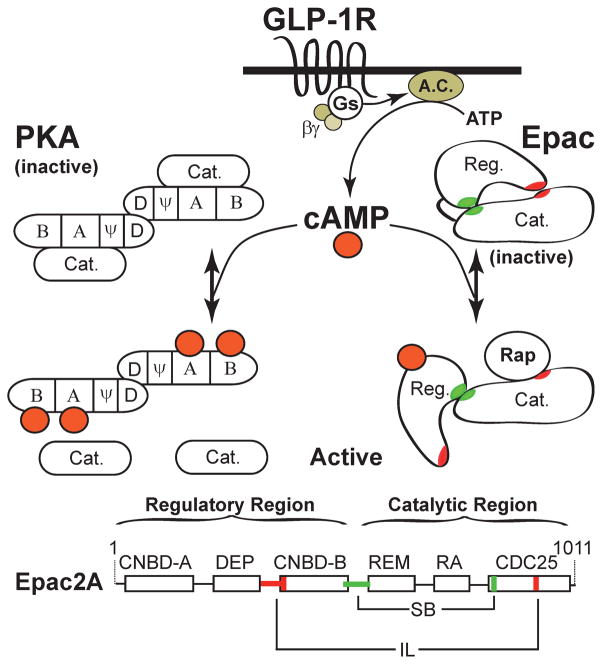
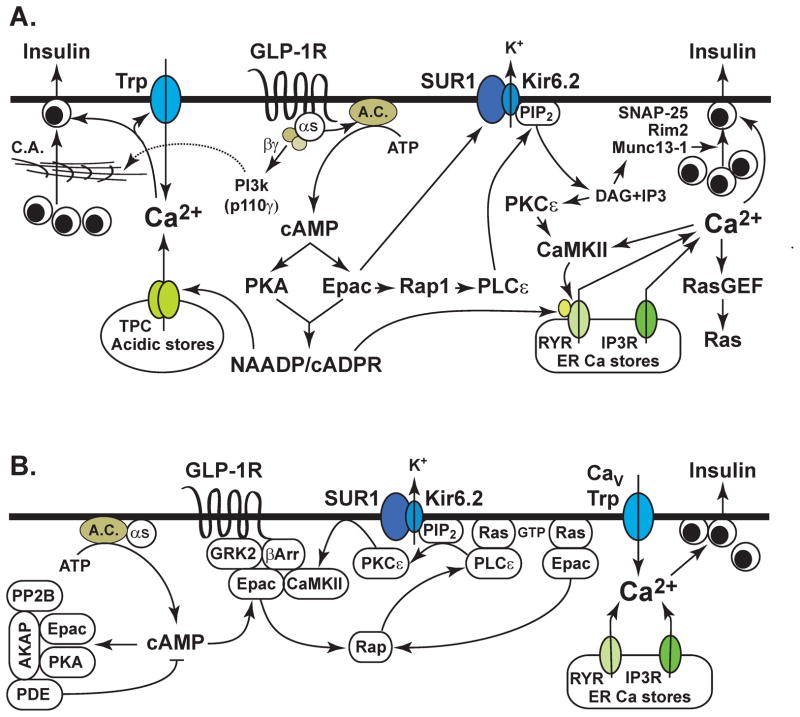
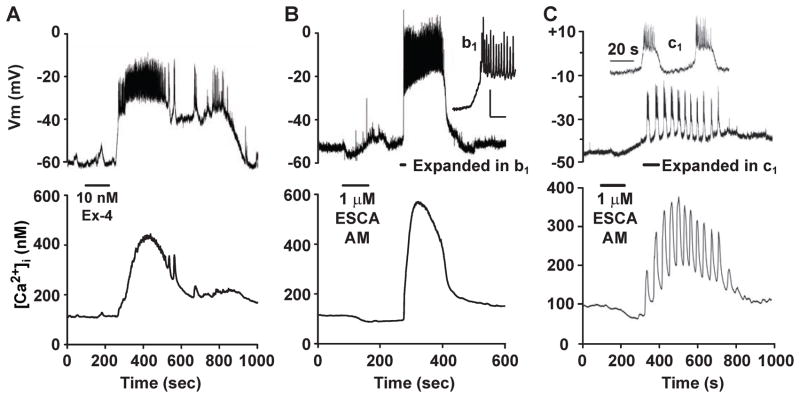
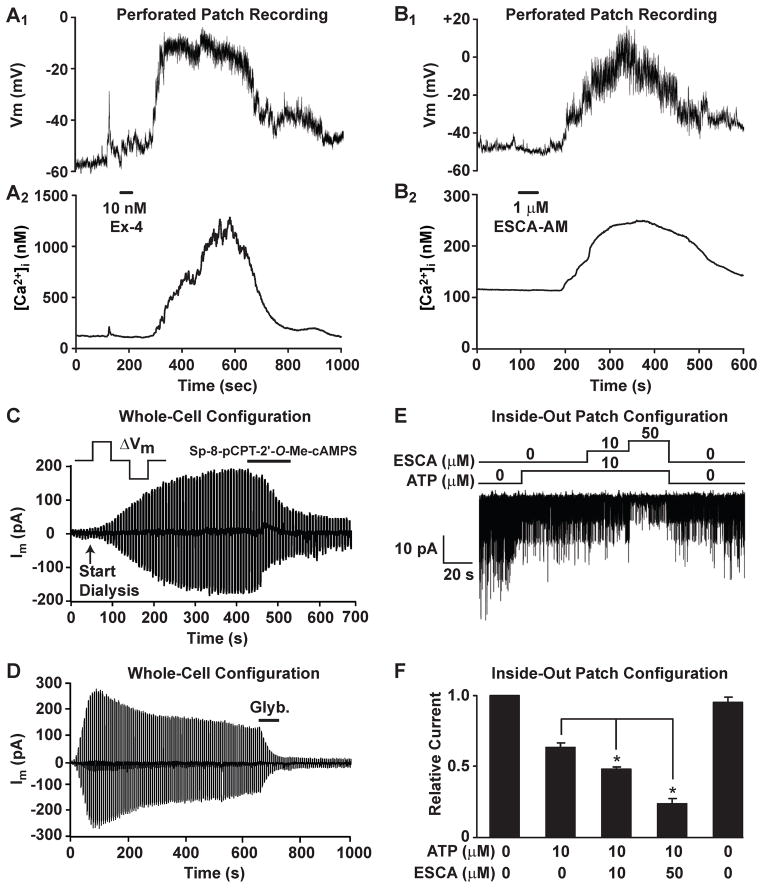
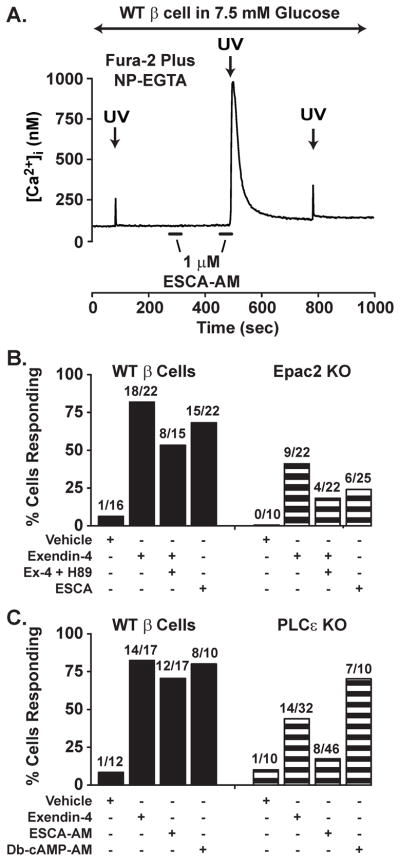
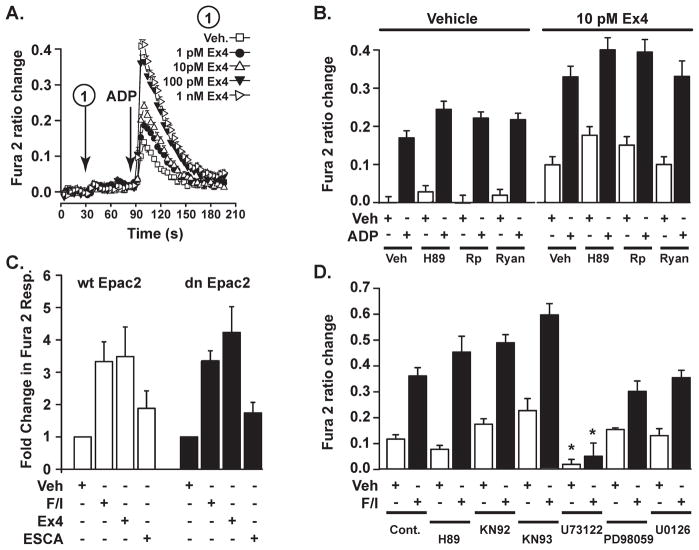
Insulin secretion from pancreatic β cells is stimulated by glucagon-like peptide-1 (GLP-1), a blood glucose-lowering hormone that is released from enteroendocrine L cells of the distal intestine after the ingestion of a meal. GLP-1 mimetics (e.g., Byetta) and GLP-1 analogs (e.g., Victoza) activate the β cell GLP-1 receptor (GLP-1R), and these compounds stimulate insulin secretion while also lowering levels of blood glucose in patients diagnosed with type 2 diabetes mellitus (T2DM). An additional option for the treatment of T2DM involves the administration of dipeptidyl peptidase-IV (DPP-IV) inhibitors (e.g., Januvia, Galvus). These compounds slow metabolic degradation of intestinally released GLP-1, thereby raising post-prandial levels of circulating GLP-1 substantially. Investigational compounds that stimulate GLP-1 secretion also exist, and in this regard a noteworthy advance is the demonstration that small molecule GPR119 agonists (e.g., AR231453) stimulate L cell GLP-1 secretion while also directly stimulating β cell insulin release. In this review, we summarize what is currently known concerning the signal transduction properties of the β cell GLP-1R as they relate to insulin secretion. Emphasized are the cyclic AMP, protein kinase A, and Epac2-mediated actions of GLP-1 to regulate ATP-sensitive K⁺ channels, voltage-dependent K⁺ channels, TRPM2 cation channels, intracellular Ca⁺ release channels, and Ca⁺-dependent exocytosis. We also discuss new evidence that provides a conceptual framework with which to understand why GLP-1R agonists are less likely to induce hypoglycemia when they are administered for the treatment of T2DM.
胰岛β细胞的胰岛素分泌受胰高血糖素样肽-1(GLP-1)的刺激,GLP-1 是一种降低血糖的激素,在进食后从远端肠内分泌 L 细胞释放。GLP-1 模拟物(如 Byetta)和 GLP-1 类似物(如 Victoza)激活β细胞 GLP-1 受体(GLP-1R),这些化合物在刺激胰岛素分泌的同时,还降低了被诊断为 2 型糖尿病(T2DM)患者的血糖水平。治疗 T2DM 的另一种选择是给予二肽基肽酶-IV(DPP-IV)抑制剂(如 Januvia、Galvus)。这些化合物减缓了肠内释放的 GLP-1 的代谢降解,从而大大提高了餐后循环 GLP-1 的水平。也存在刺激 GLP-1 分泌的研究化合物,在这方面,一个值得注意的进展是证明小分子 GPR119 激动剂(如 AR231453)刺激 L 细胞 GLP-1 分泌,同时直接刺激β细胞胰岛素释放。在这篇综述中,我们总结了目前已知的与胰岛素分泌有关的β细胞 GLP-1R 的信号转导特性。强调了 GLP-1 对 cAMP、蛋白激酶 A 和 Epac2 介导的作用,以调节 ATP 敏感性 K⁺通道、电压依赖性 K⁺通道、TRPM2 阳离子通道、细胞内 Ca⁺释放通道和 Ca⁺依赖性胞吐作用。我们还讨论了新的证据,为理解为什么 GLP-1R 激动剂在治疗 T2DM 时不太可能引起低血糖提供了一个概念框架。