Johnson Victor J, Reynolds Jeffrey S, Wang Wei, Fluharty Kara, Yucesoy Berran
Toxicology and Molecular Biology Branch, Health Effects Laboratory Division, National Institute for Occupational Safety and Health, Centers for Disease Control and Prevention, Morgantown, WV 26505-2888, USA.
J Allergy (Cairo). 2011;2011:751052. doi: 10.1155/2011/751052. Epub 2011 Jul 14.
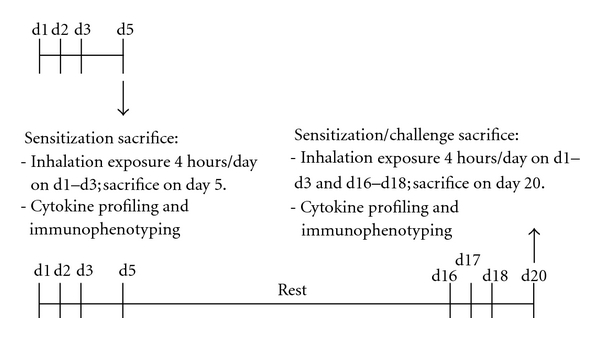
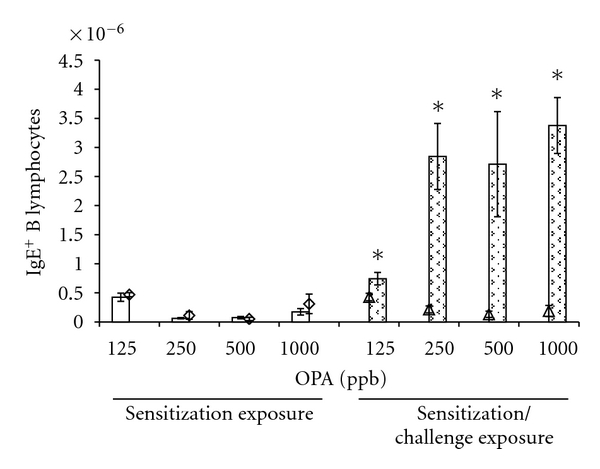
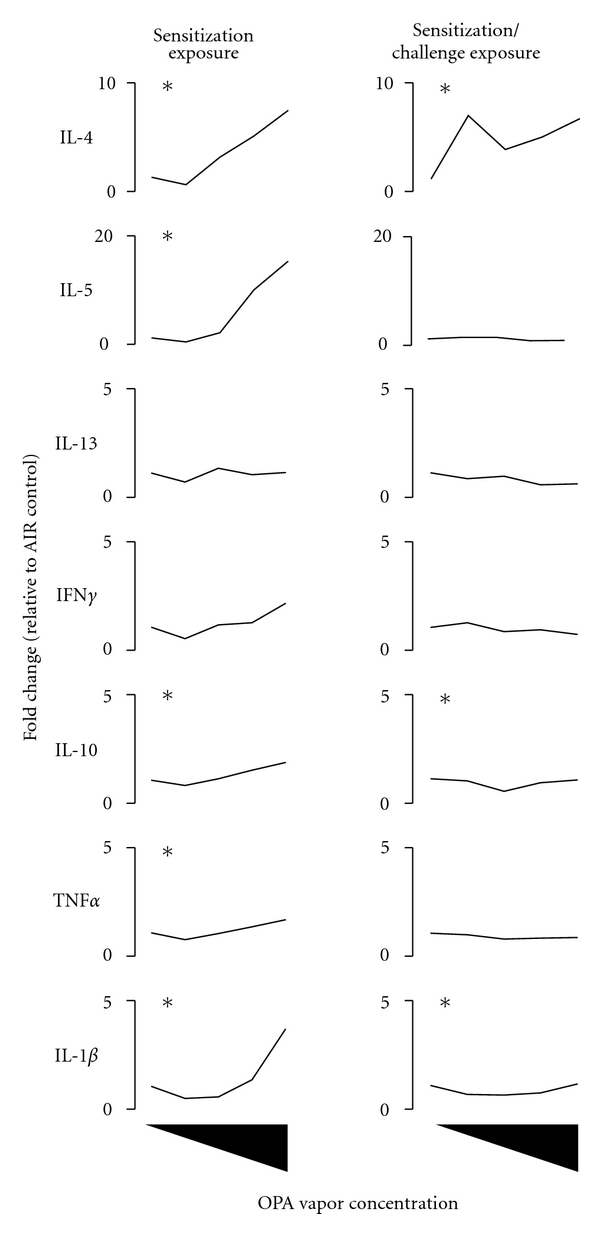
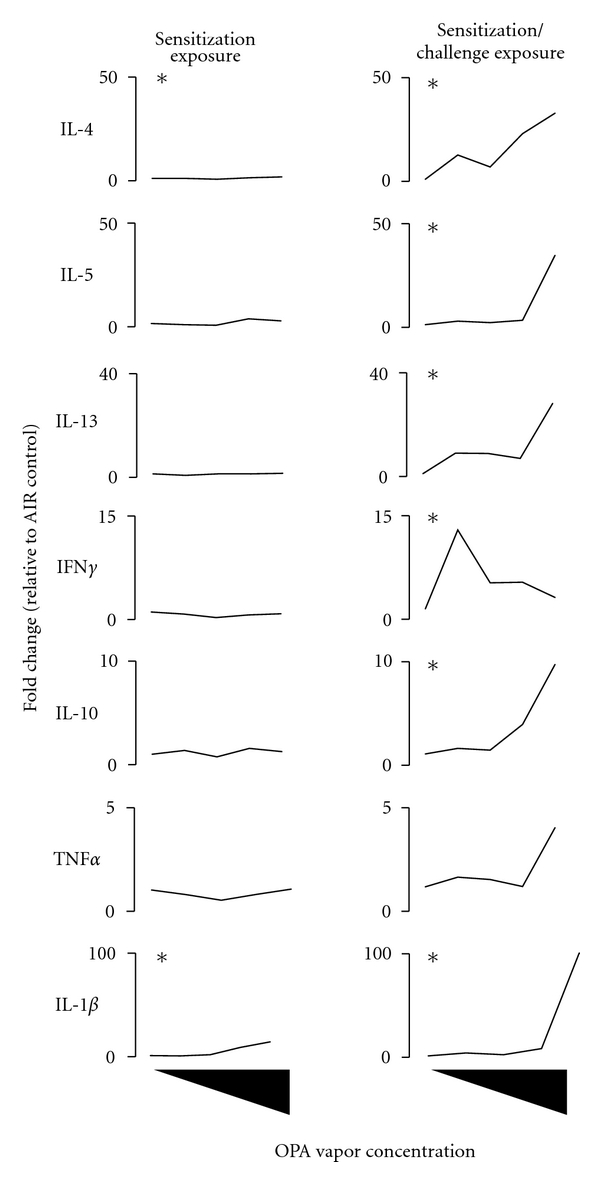
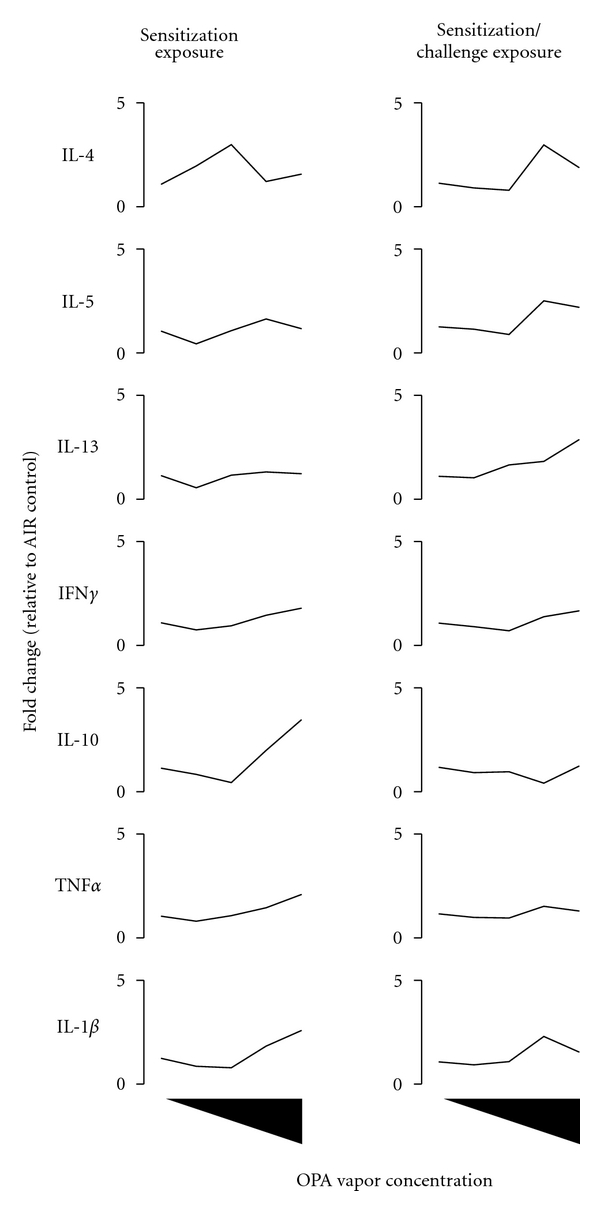
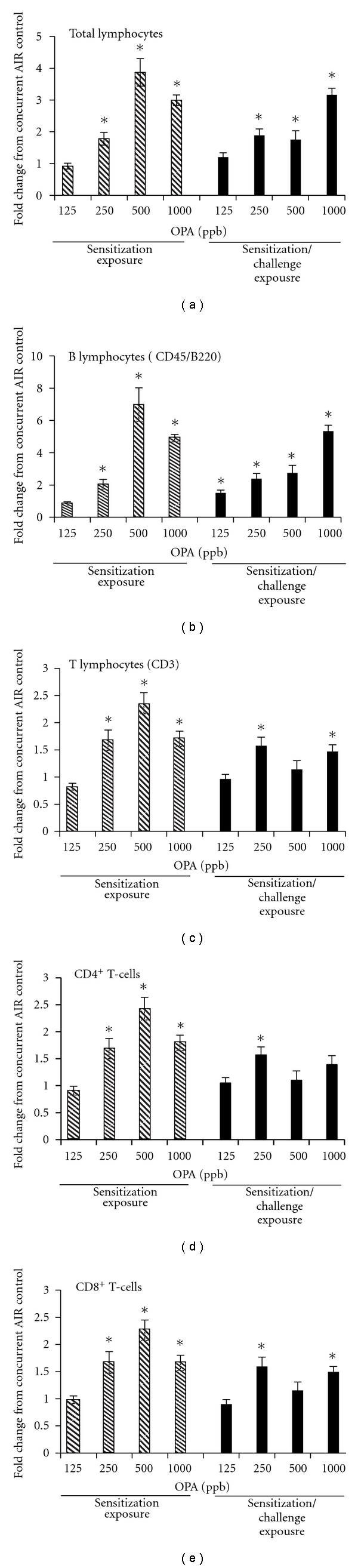
Ortho-Phthalaldehyde (OPA) has been approved for high-level sterilization of heat-sensitive medical instruments and is increasingly being used as a replacement in the healthcare industry for glutaraldehyde, a known sensitizer. Numerous case reports have been published indicating workers and patients experiencing respiratory problems, anaphylaxis, skin reactivity, and systemic antibody production. Our laboratory previously demonstrated that OPA is a dermal sensitizer in mice. The goal of the present study was to determine if OPA is a respiratory sensitizer following inhalation exposure. Mice were exposed to OPA vapor and airway and lymph nodes were examined for cytokine gene expression and alterations in lymphocyte populations. Inhalation of OPA for 3 days resulted in a concentration-dependent increase in lymphocyte proliferation, mainly B lymphocytes, in the draining lymph nodes. A secondary challenge of mice with OPA resulted in a dramatic increase in the population of B lymphocytes expressing IgE. Expression of Th2 (IL-4, IL-5, and IL-13) and anti/proinflammatory (IL-10, TNFα, and IL-1β) cytokine genes was upregulated in the lymph nodes and the nasal mucosa. Mice exposed to the higher concentrations of OPA-produced OPA-specific IgG(1) antibodies indicating systemic sensitization. These findings provide evidence that OPA has the potential to cause respiratory sensitization in mice.
邻苯二甲醛(OPA)已被批准用于热敏医疗器械的高水平消毒,并且在医疗行业中越来越多地被用作已知致敏剂戊二醛的替代品。已发表了大量病例报告,表明工人和患者出现呼吸问题、过敏反应、皮肤反应性以及全身抗体产生。我们实验室先前证明OPA在小鼠中是一种皮肤致敏剂。本研究的目的是确定吸入接触后OPA是否为呼吸道致敏剂。将小鼠暴露于OPA蒸气中,并检查气道和淋巴结中的细胞因子基因表达以及淋巴细胞群体的变化。吸入OPA 3天导致引流淋巴结中淋巴细胞增殖呈浓度依赖性增加,主要是B淋巴细胞。用OPA对小鼠进行二次激发导致表达IgE的B淋巴细胞群体急剧增加。淋巴结和鼻黏膜中Th2(IL-4、IL-5和IL-13)以及抗/促炎(IL-10、TNFα和IL-1β)细胞因子基因的表达上调。暴露于较高浓度OPA的小鼠产生了OPA特异性IgG(1)抗体,表明发生了全身致敏。这些发现提供了证据,证明OPA有可能在小鼠中引起呼吸道致敏。