Institute of Life Sciences, University of Hyderabad Campus, Gachibowli, Hyderabad, India.
PLoS One. 2011;6(7):e22530. doi: 10.1371/journal.pone.0022530. Epub 2011 Jul 15.
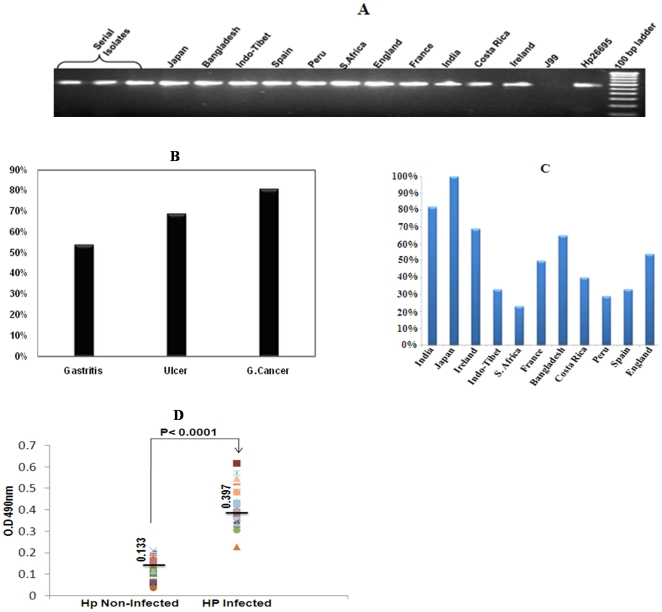
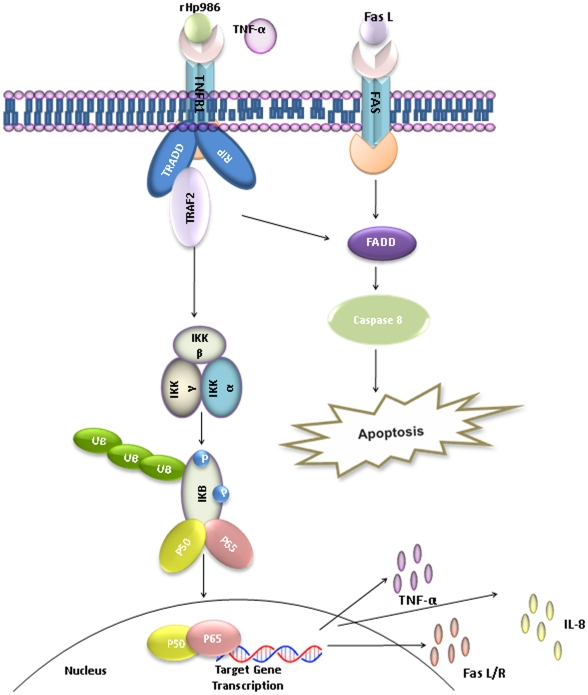
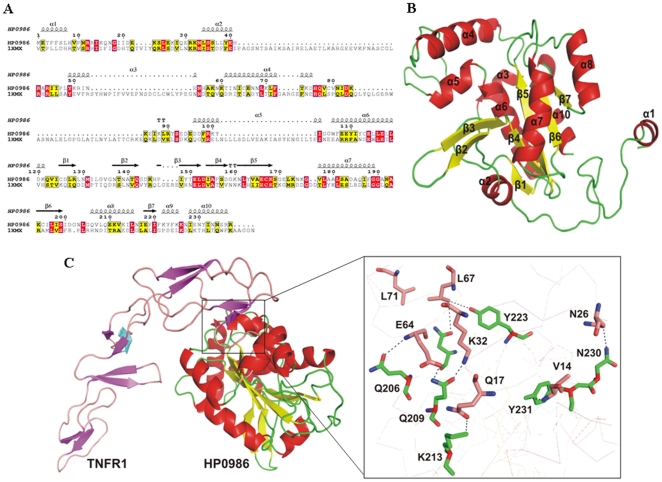
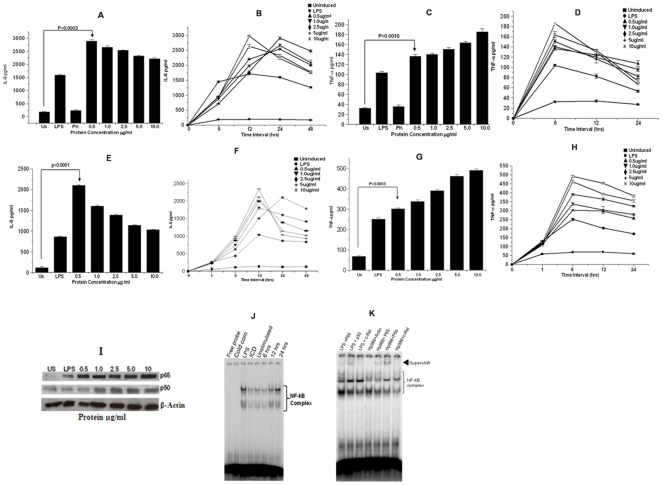
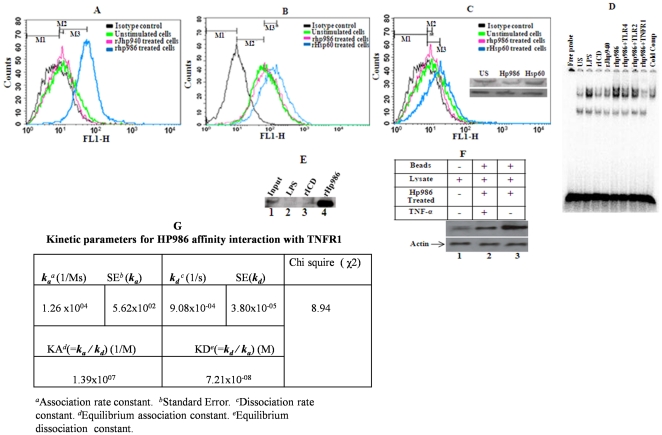
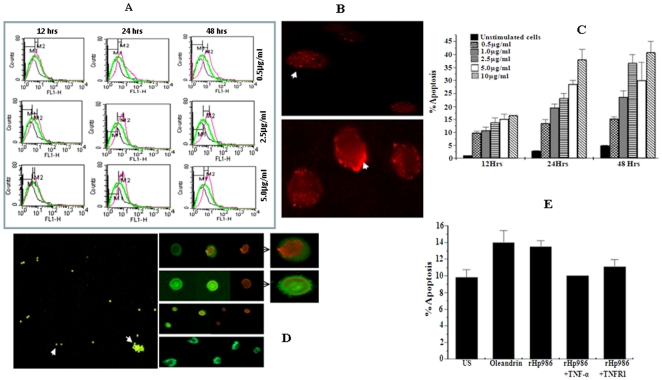
Helicobacter pylori induces cytokine mediated changes in gastroduodenal pathophysiology, wherein, the activated macrophages at the sub-mucosal space play a central role in mounting innate immune response against the antigens. The bacterium gains niche through persistent inflammation and local immune-suppression causing peptic ulcer disease or chronic gastritis; the latter being a significant risk factor for the development of gastric adenocarcinoma. What favors persistence of H. pylori in the gastric niches is not clearly understood. We report detailed characterization of a functionally unknown gene (HP986), which was detected in patient isolates associated with peptic ulcer and gastric carcinoma. Expression and purification of recombinant HP986 (rHP986) revealed a novel, ∼29 kDa protein in biologically active form which associates with significant levels of humoral immune responses in diseased individuals (p<0.001). Also, it induced significant levels of TNF-α and Interleukin-8 in cultured human macrophages concurrent to the translocation of nuclear transcription factor-κB (NF-κB). Further, the rHP986 induced apoptosis of cultured macrophages through a Fas mediated pathway. Dissection of the underlying signaling mechanism revealed that rHP986 induces both TNFR1 and Fas expression to lead to apoptosis. We further demonstrated interaction of HP986 with TNFR1 through computational and experimental approaches. Independent proinflammatory and apoptotic responses triggered by rHP986 as shown in this study point to its role, possibly as a survival strategy to gain niche through inflammation and to counter the activated macrophages to avoid clearance.
幽门螺杆菌诱导细胞因子介导的胃十二指肠病理生理学变化,其中,黏膜下空间的活化巨噬细胞在针对抗原的固有免疫反应中发挥核心作用。该细菌通过持续炎症和局部免疫抑制获得生态位,导致消化性溃疡病或慢性胃炎;后者是胃腺癌发展的重要危险因素。什么有利于幽门螺杆菌在胃生态位中的持续存在尚不清楚。我们报告了对一个功能未知基因(HP986)的详细特征描述,该基因在与消化性溃疡和胃癌相关的患者分离物中被检测到。重组 HP986(rHP986)的表达和纯化揭示了一种新型的、约 29 kDa 的蛋白质,以生物活性形式存在,并与患病个体中显著水平的体液免疫反应相关(p<0.001)。此外,它还诱导培养的人巨噬细胞中核转录因子-κB(NF-κB)的显著水平转移,同时诱导 TNF-α和白细胞介素-8 的产生。此外,rHP986 通过 Fas 介导的途径诱导培养的巨噬细胞凋亡。对潜在信号机制的剖析表明,rHP986 诱导 TNFR1 和 Fas 的表达,从而导致细胞凋亡。我们进一步通过计算和实验方法证明了 HP986 与 TNFR1 的相互作用。rHP986 触发的独立促炎和凋亡反应表明其可能作为一种生存策略,通过炎症获得生态位,并对抗激活的巨噬细胞以避免清除。