Otorhinolaryngology Unit, Head and Neck Department, San Paolo Hospital, University of Milan, Italy.
Acta Otorhinolaryngol Ital. 2010 Dec;30(6):289-93.
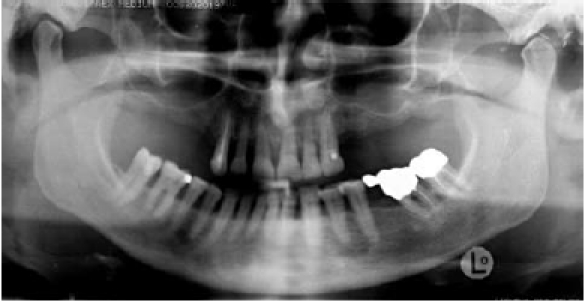
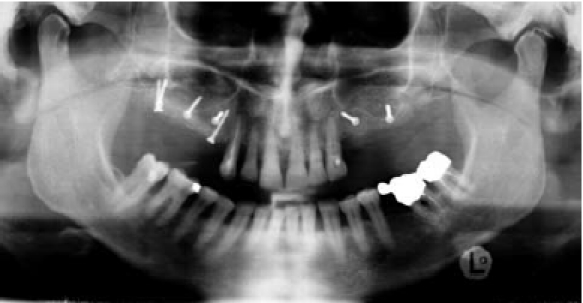
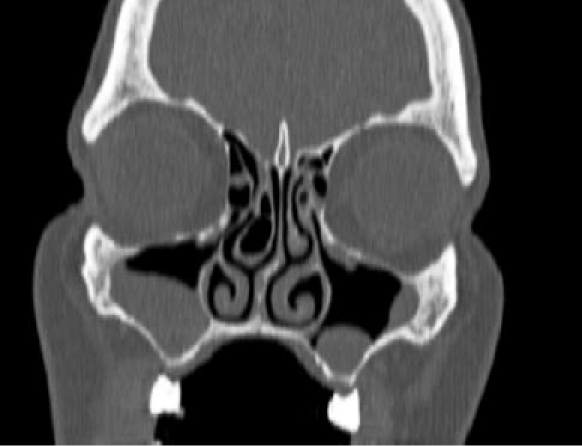
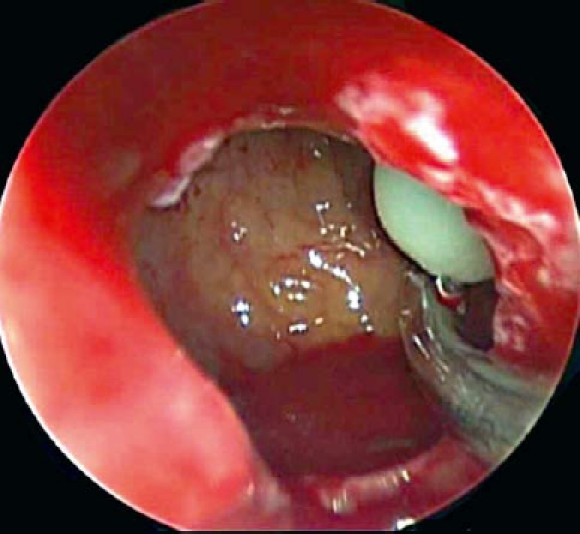
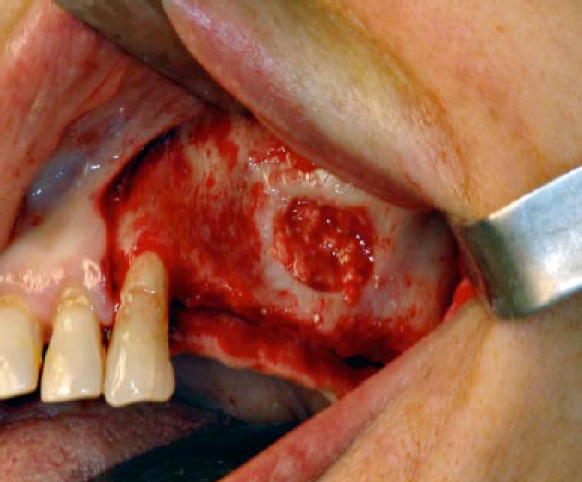
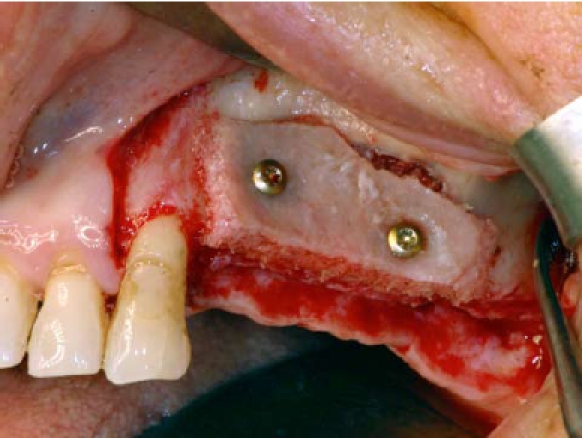
A one-step surgical procedure is presented, including maxillary sinus floor elevation in association with functional endoscopic sinus surgery to remove rhino-sinusal malformations or pathoses that might contraindicate sinus floor elevation. Over a 2-year period, 10 patients requiring a sinus floor augmentation procedure to restore the missing dentition with endosseous implants, but presenting with local and reversible rhinologic contraindications to the augmentation procedure were consecutively treated with a surgical approach that included simultaneously functional endoscopic sinus surgery and a sinus floor elevation procedure through an intra-oral approach. Then 4-6 months after this procedure, oral implants were inserted and after a further waiting period, ranging from 3 to 6 months, patients were restored with prostheses and followed for 1 to 3 years after the completion of prosthetic restoration. In all 10 patients, complete recovery of para-nasal sinuses function was demonstrated and occurred in all cases within one month. All cases showed good integration and consolidation of the graft material used for maxillary sinus floor augmentation. None of the implants placed were lost during the follow-up period after completion of prosthetic loading. In conclusion, despite the limits of this study (which included only 10 patients), the combination of maxillary sinus augmentation procedures and functional endoscopic sinus surgery, to treat local contraindications to sinus augmentation has proven to be both effective and safe and has allowed the patient to avoid a second surgical procedure and a longer waiting period before final prosthetic rehabilitation. No sinusal complications related to sinus floor augmentation were encountered and the survival rate of implants placed in the augmented areas was consistent with those reported in cases of sinus floor augmentation performed in patients presenting with a healthy rhino-sinusal system.
介绍了一种一步式手术方法,包括上颌窦底提升术,同时进行功能性内窥镜鼻窦手术,以去除可能导致鼻窦底提升术禁忌的鼻-鼻窦畸形或病变。在两年期间,10 名患者需要进行鼻窦底增强手术,以用骨内植入物修复缺失的牙齿,但由于局部和可逆的鼻科学禁忌因素,不能进行增强手术,因此连续采用了一种手术方法,包括同时进行功能性内窥镜鼻窦手术和经口内途径的鼻窦底提升术。然后,在该手术 4-6 个月后,插入口腔种植体,经过进一步的等待期(3-6 个月),用修复体恢复患者的牙齿,并在修复体完成后随访 1-3 年。在所有 10 名患者中,均证明了副鼻窦功能完全恢复,且所有病例均在一个月内恢复。所有病例均显示出上颌窦底增强所用移植材料的良好整合和巩固。在完成修复体加载后的随访期间,没有放置的种植体丢失。总之,尽管本研究(仅包括 10 例患者)存在局限性,但上颌窦增强术和功能性内窥镜鼻窦手术的联合应用,可治疗鼻窦增强的局部禁忌证,已被证明是有效且安全的,可避免患者接受第二次手术和更长的等待时间才能进行最终的修复体康复。未发生与鼻窦底增强相关的鼻窦并发症,放置在增强区域的植入物的存活率与在健康的鼻-鼻窦系统患者中进行鼻窦底增强时报告的存活率一致。